

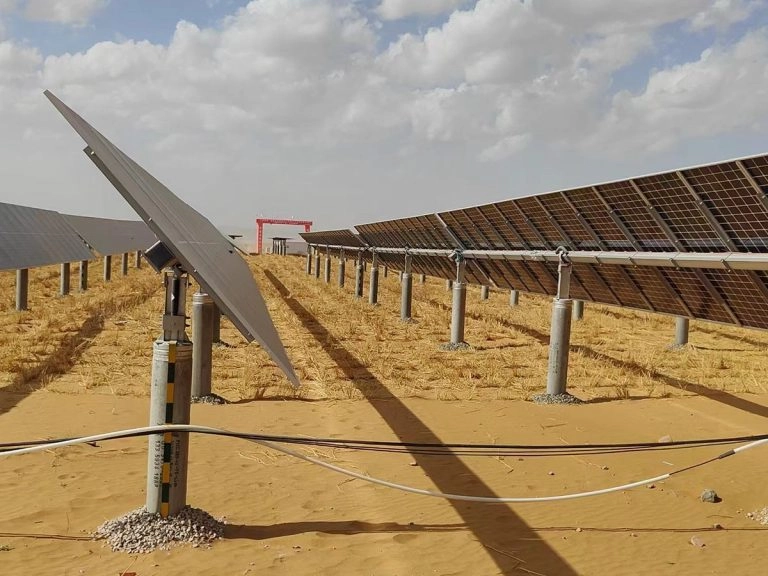
Bifacial photovoltaic (PV) modules have completely shifted how engineers approach solar mounting system design. These panels do not merely absorb direct light from the front surface. They also harvest reflected sunlight from the ground or nearby objects. This specific difference alters the entire layout. It impacts everything from the final height of the solar array to the actual shape of the support structure.
What Makes Bifacial PV Modules Different?
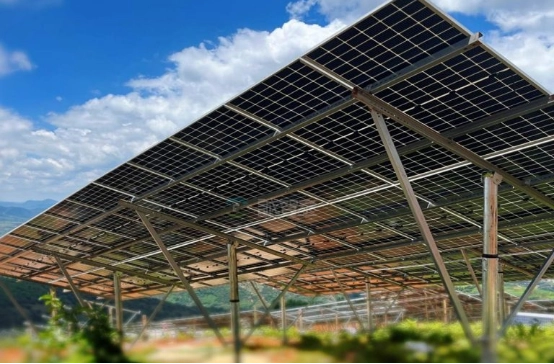
A bifacial module works on both sides, meaning it collects direct sunlight on the front and reflected light on the rear. The energy gain depends heavily on albedo—the reflectivity of the surface below. Snow, white concrete, or bright sand can dramatically boost rear-side production. Installation height also matters because higher placement allows more diffuse light to reach the back surface.
Standard monofacial panels are quite forgiving regarding their mounting layout. Bifacial ones, however, demand strict precision. Even minor shadows from a metal channel or a cable tray can reduce the energy yield. Therefore, the structural design acts as a vital part of the overall optical equation.
How Does Mounting System Design Affect Performance?
The selected tilt angle determines the amount of sunlight hitting both panel faces throughout the day. A steep angle often improves winter energy production. Meanwhile, a flatter setup boosts summer gains and lowers the overall wind load. Both the height and the spacing between rows dictate the volume of reflected light reaching the back side. Proper spacing prevents unwanted shading on adjacent panel rows.
Builders cannot sacrifice structural stability just to gain more power. In areas with strong winds, taller mounting structures need deeper foundations. They also require rigid frames to stop harmful vibration and torsion fatigue. Reducing shadows from cross beams or junction boxes is another critical task.
Key Factors to Consider When Choosing a Solar Mounting System for Bifacial Panels
It involves a careful balance. Designers must match strong mechanical integrity with high optical efficiency.
What Are the Main Design Criteria?
Load capacity determines if a framework can survive snow, heavy wind, or seismic stress over many decades. Corrosion resistance serves as the next major factor. This trait is especially vital in coastal locations where salt spray easily damages exposed steel. Galvanized steel provides excellent strength at a very reasonable cost. However, aluminum structures fight off rust much better. They are also much lighter for typical rooftop applications. The material durability must align with the expected module lifespan. Otherwise, expensive maintenance tasks will wipe out the initial energy gains.
The Role of Site Conditions in Design Selection
Surface reflectivity changes drastically depending on the local ground type. Dark soil reflects very little light. Bright sand reflects a good amount, while white snow reflects the most. Engineers sometimes install special reflective membranes beneath the arrays. This tactic increases rear-side irradiance when the natural albedo remains poor. The local wind speed dictates the required foundation depth and the metal frame thickness. Mountainous areas demand unique anchoring methods. These secure anchors maintain proper structural alignment under highly uneven physical loads.
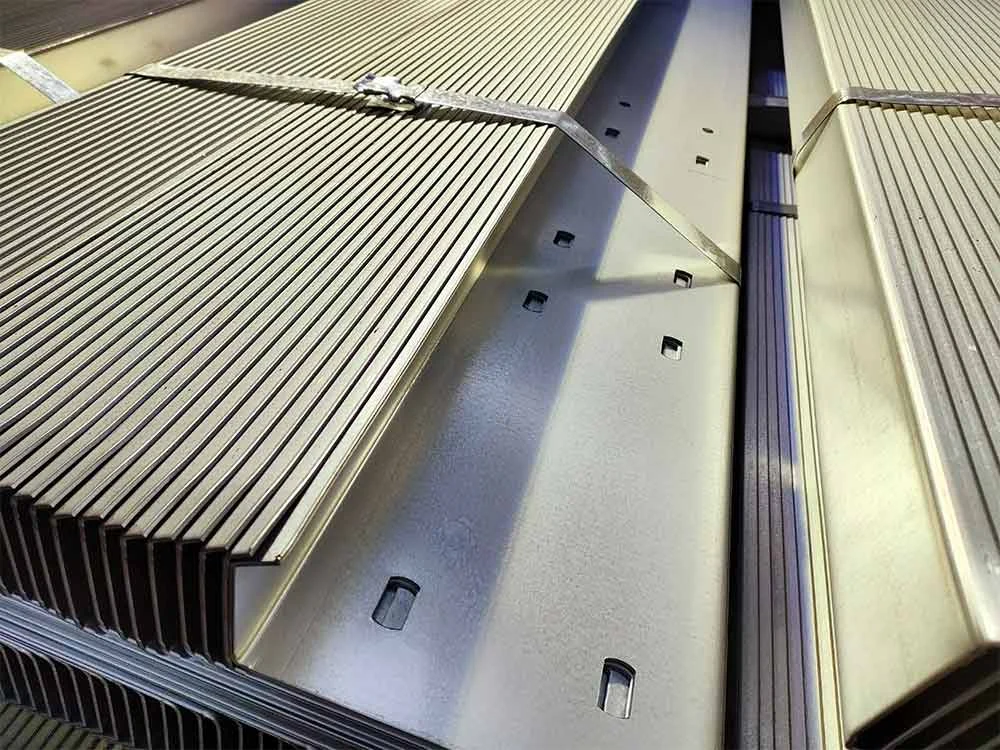
Strict weight limits become a critical issue for commercial rooftops. Lightweight aluminum rails easily dominate these elevated spaces. On the other hand, ground-mounted systems can safely utilize heavier galvanized frames. These ground setups use deeper support posts to ensure maximum rigidity.
Common Solar Mounting Designs for Bifacial PV Modules
Various site environments require distinct structural approaches.
Fixed-Tilt Ground Mount Systems
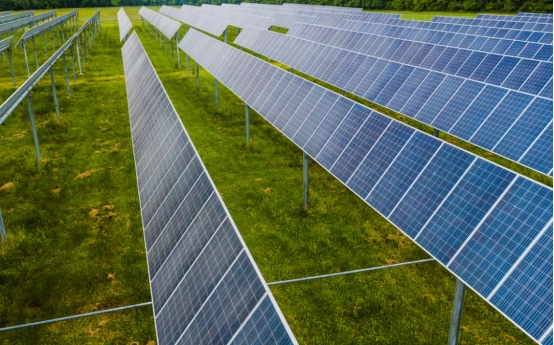
Fixed-tilt systems stay highly popular for large utility-scale projects. In these massive setups, mechanical simplicity delivers long-term reliability. These static frames are very stable and require minimal maintenance. They are also simple to scale across wide open land parcels. Elevating the panels slightly higher than standard monofacial setups improves rear-side light exposure. This minor height adjustment adds very little extra cost.
Single-Axis Tracking Systems
Trackers introduce physical motion and system complexity. However, they generate power gains that fixed systems simply cannot match. A single-axis tracker rotates the panels continually throughout the day. It actively follows the daily path of the sun. This steady movement keeps both module faces illuminated quite evenly. It also reduces unwanted self-shading between the parallel rows. Operators often integrate these trackers with smart controllers. These advanced devices adjust the panel angles based on live irradiance sensors. As a result, the bifacial yield improves greatly. Meanwhile, the energy losses caused by poor alignment drop significantly.
Rooftop and Carport Mounting Options
Commercial rooftops and parking carports introduce unique design challenges. They often feature limited available space and strict aesthetic rules. They also display variable reflectivity from the dark pavement or standard roofing materials. Nevertheless, these specific installations benefit enormously from bifacial designs. Success occurs when builders place reflective surfaces beneath the panels. Common materials include white membranes or specialized coated concrete. Carport structures effectively blend daily utility with high public visibility. In these spots, clean solar generation meets modern architectural presence.
Engineering Insights: How to Optimize Mounting Height and Tilt Angle
Proper design optimization usually begins with two main variables. These factors are the installation height and the structural tilt. The process ultimately involves dozens of careful trade-offs between the project cost and the final performance.
What Is the Ideal Height for Bifacial Module Installation?
Raising the panels directly increases the rear-side irradiance capture. However, this extra elevation adds more material costs and raises the wind exposure risk. Diminishing returns typically appear at about one meter above the ground level. This rule applies unless the local albedo remains exceptionally high. Snow-covered fields serve as a prime example of high albedo. Actual field tests show measurable yield improvements. These gains can reach up to 10 to 15 percent. This boost happens when technicians increase the height moderately. They must do this without causing excessive shading losses.
Determining the Right Tilt Angle for Maximum Output
The optimal tilt angle relies heavily on the geographic latitude. Designers must also consider the unique bifaciality factor. An overly steep angle severely limits the valuable rear-side reflection. Conversely, an angle that is too shallow restricts the front-side sunlight absorption. This issue worsens during the cold winter months when the daily sun paths sit much lower. Engineers use local solar irradiation data to fine-tune this delicate balance. This careful planning keeps the annual energy output stable. It prevents the system from merely peaking during specific seasons.
Why Collaborate with CZT Solar for Your Bifacial PV Projects?
The dedicated engineering team at CZT Solar creates fully customized solar mounting system designs. They tailor each specific layout to match the distinct environmental conditions of the site. These locations range from hot desert plains to freezing snowy plateaus. The team ensures total compatibility with modern bifacial technologies. The company uses premium materials like anodized aluminum and hot-dip galvanized steel. These tough metals guarantee excellent long-term reliability. They also meet strict international safety standards.
Partnering with CZT Solar means acquiring a trusted ally. This company focuses heavily on maximizing the project ROI through precise engineering. Every single design iteration targets superior mechanical strength. Furthermore, the layouts aim to extract every possible watt from both sides of the panel. This core philosophy perfectly aligns deep technical details with positive financial outcomes.
ЧАСТО ЗАДАВАЕМЫЕ ВОПРОСЫ
Q1: Do bifacial panels always need higher mounting structures?
They do not always require taller frames. The chosen height must match the local site albedo conditions. It should also align with the available budget constraints. Excessive elevation simply increases the structural cost. It does not provide a proportional energy gain in low-reflectivity areas.
Q2: Which material lasts longer in coastal environments?
Aluminum generally lasts much longer than steel near salty ocean water. It provides superior natural corrosion resistance. However, properly coated steel remains a viable option. This choice works well if the facility managers follow very strict maintenance schedules.
Q3: Can bifacial panels work effectively on rooftops?
Yes, they operate very effectively on commercial roofs. This success happens especially when builders use highly reflective roofing materials. Products like white TPO membranes greatly enhance the rear-side illumination. They achieve this benefit without requiring extra height adjustments.
Q4: Are trackers worth it for small installations?
For smaller systems operating under tight budgets, fixed-tilt frames often offer a better cost-performance balance. Trackers truly shine in massive open fields. In those large spaces, the incremental energy yield easily justifies the added mechanical complexity.





 Russian
  English
  Japanese
  Korean
  Spanish
  Arabic
  French
  Thai
Thai