
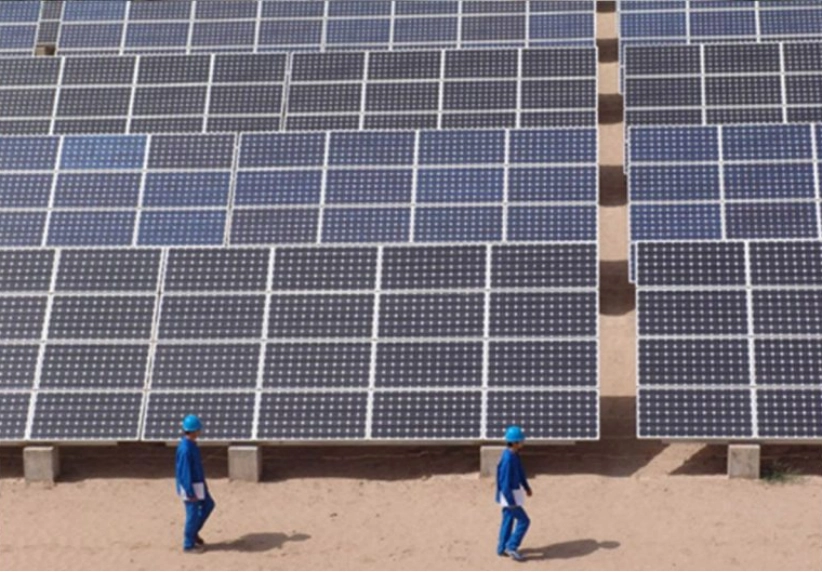
Choosing a solid ground solar mounting system decides if a utility-scale PV project runs smoothly for years or faces constant repairs and shaky performance. The structure must fit the local soil, handle harsh weather, and stay affordable over its entire life. Many builders forget how much the rack affects the total power output and the profit of a solar farm.
The Role of Mounting Systems in Utility-Scale Solar Farms
Mounting systems act as the main skeleton for large solar sites. They keep photovoltaic modules in the right spot. Their setup impacts how fast you can build, how strong the unit is, and how long it stays reliable. A tough frame keeps panels at the best tilt even during fierce winds or heavy snow. This protects the modules and the wires underneath.
С-образная сталь, also known as C-Purlin or C-Channel, is a cold-formed part with a “C” shape. People use it in factories and big buildings because it is light but very strong. It saves money too. Solar racks often use this profile because it offers great support without using too much metal. Likewise, H-Beam Steel, also known as H-Shaped Steel, is a structural piece shaped like an “H”. It is common in bridges and high-rise frames. It handles heavy weight well and stays very stable. These materials are vital for keeping the site safe for over 20 years.
Types of Ground Solar Mounting Systems
Big solar projects usually use these kinds of ground setups:
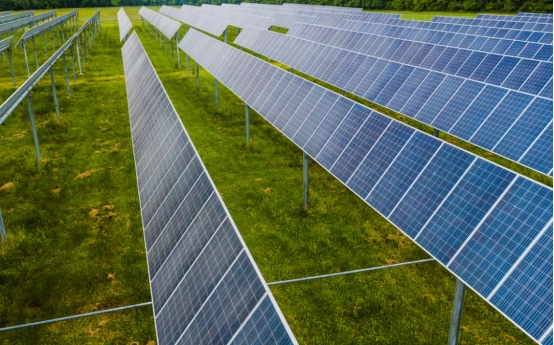
- Fixed-tilt systems are simple and easy to keep up. They use steady frames, usually made of galvanized steel, to hold panels at one angle based on the location.
- Single-axis trackers turn on one line to follow the sun. The CZT One Axis Tracking System is a solar mounting systerm that allows solar panel to move along a single aixs in order to track the sun, therefor increasing the efficiency of solar energy collection.
These choices balance price against power gains. Owners must decide if the extra energy is worth the extra work.
Key Factors to Consider When Selecting a Ground Mounting System
Before picking a frame, engineers look at the ground, project size, and weather. Every detail changes the design and the final profit.
Site Conditions and Soil Characteristics
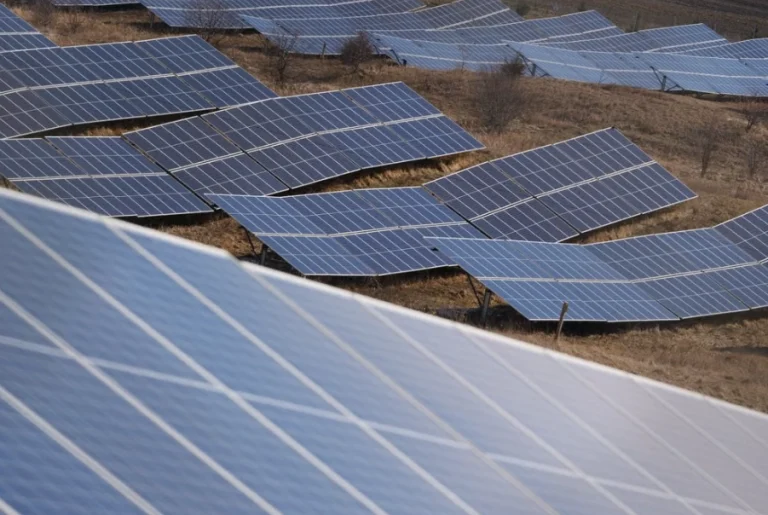
The base depends on what is in the ground. Sandy dirt might need screw piles. Rocky or bumpy land often needs heavy concrete blocks.
Soil tests show if the ground can hold the weight and if it will eat away at the metal. This helps engineers choose between driven piles or a бетонная система солнечного монтажа.
| Foundation Type | Suitable Terrain | Материал | Typical Lifespan |
| Pile-driven | Firm soil | HDG / ZAM steel | 25 лет |
| Screw pile | Sandy / soft ground | Zn-Al-Mg steel | 25 лет |
| Ballasted concrete | Rocky / uneven | Q235B / Q345B steel + concrete | 25 лет |
Wind and snow levels dictate how thick the steel must be. These factors change the total cost of the project.
Project Scale and Layout Design
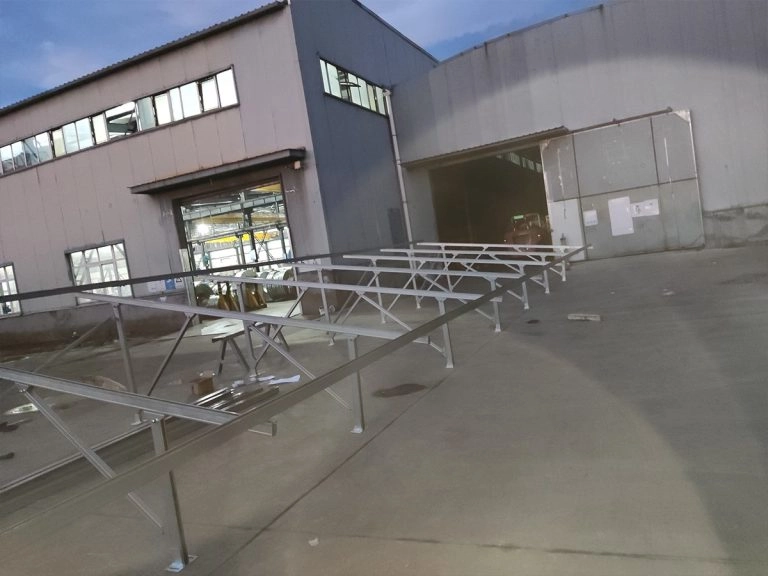
For massive PV plants, modular parts make shipping and building easier. CZT solar’s factory can shape steel up to 10mm thick. They can make 5,000 tons a month. This is perfect for big jobs that need high quality. Good spacing stops one row from shading another, which makes the most of the land.
Being able to use different panel sizes is also helpful. This matters if panel types change while the project is being built.
Material Selection and Structural Durability
The metal you pick decides if the rack will rust outside. Hot-dip galvanized (HDG) layers are the standard choice. They stop rust in wet areas. Aluminum is lighter but still strong enough for smaller sections.
Z Steel Channel – High-Strength Structural Framing Solution Its unique “Z” cross-section provides superior rigidity and load distribution, making it ideal for construction, industrial support, and modular assembly systems. In solar use, this shape helps the frame stay still when the wind pushes hard.
Check the coatings often. Fixing them early keeps the system alive longer, especially near the ocean where salt is a problem.
Installation Efficiency and Cost Optimization
Fast building means saving money. This is very important when budgets are tight.
Pre-Assembled Components for Faster Deployment
Putting parts together at the factory saves a lot of work on the field. CZT солнечный has a 2,000m² workshop just for checking and pre-assembling parts. This means the gear arrives ready to be bolted down quickly.
Simple bolts make fewer mistakes. They help keep everything lined up perfectly across miles of solar rows.
Balancing Initial Investment with Lifetime Performance
Spending a little more on better coatings or thicker steel can stop big repair bills later. Look at the total cost over 25 years rather than just the starting price. This helps investors get more money back by avoiding downtime.
Builders often compare the cost to install against the power they expect to get. This full view shows which design is the best deal.
Compliance, Certification, and Quality Assurance
Every big project must follow global safety rules and local laws. Systems must pass IEC or UL tests for weight and safety. Local rules might have special requirements for snow or earthquakes depending on where you are. All CZT solar products have ISO and SGS marks. These prove the metal is high quality, from the piles to the flexible racks used on farms.
Working with a pro company ensures the project goes well from start to finish. CZT solar provides full solutions for large power sites, factories, and shops. Our engineers change the plans based on your specific soil or land shape. This keeps the array safe and efficient.
Future-Proofing Utility-Scale PV Projects with Smart Design Choices
A good design ensures a plant stays useful for two decades.
Adaptability to Technological Advancements
Modular setups let you swap in new panels without tearing everything down. Adding digital tools helps find problems early. Sensors can spot stress in the moving parts of single-axis systems before they break.
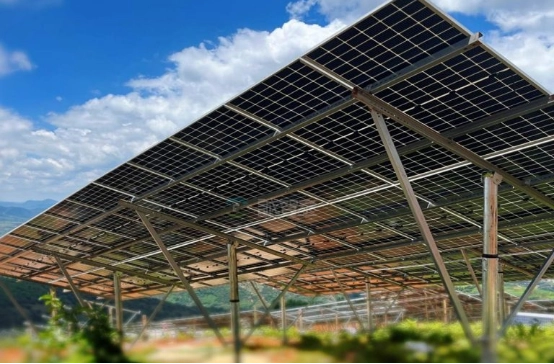
Flexible solar mounting support is a large-span, high-clearance, multi-span structure It adapts to conditions such as undulating terrain and increased vegetation. This shows how new designs work on hilly land or even over crops and lakes.
Sustainability Considerations in System Design
Being green is about more than just solar power. It is about how we get materials and ship them. Using metals like Q235B or Zn-Al-Mg alloys helps the planet because they can be recycled later.
Smart packing also cuts down on truck pollution. Precise factory work means there is no extra waste left on the job site.
FAQs
Q1. What is the difference between fixed-tilt and tracking ground solar mounting systems?
Fixed racks stay at one angle. Tracking systems move to follow the sun to catch more light.
Q2. How long does a typical ground solar mounting system last?
With good coatings and care, most big frames last about 25 years.
Q3. Which materials are best suited for corrosive environments?
Hot-dip galvanized steel or Zn-Al-Mg metals are best for stopping rust near the sea.
Q4. How do soil conditions affect foundation selection?
Soft ground needs screw piles, while rocky ground is better for concrete bases.
Q5. Why are preassembled components beneficial?
They make building faster and reduce errors, which is vital for meeting deadlines on big projects.





 Russian
  English
  Japanese
  Korean
  Spanish
  Arabic
  French
  Thai
Thai