

Structural Integrity and Engineering of Roof Mount Systems
The choice between a rooftop setup and a solar ground mounting system often comes down to the structural reality of the existing architecture. Roof systems are inherently parasitic—they rely on the strength of what is already there.
Assessing Roof Load Capacity and Penetration Methods
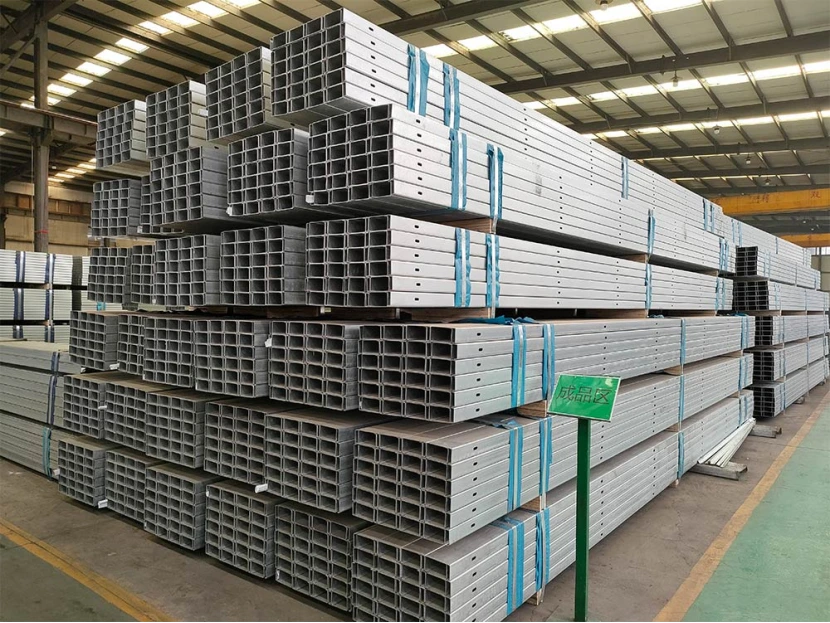
Before a single rail is bolted down, we must evaluate the structural readiness of different roof types, including metal, tile, and asphalt shingle. Metal roofs are often the easiest to work with because they allow for non-penetrating clamps, but asphalt shingles require a more invasive approach. C-shaped steel, also known as C-purlin or C-channel , is a cold-formed structural steel section with a distinctive “C” cross-section. It is sometimes used in the underlying structure to provide the necessary support.
Understanding the role of flashing and waterproof sealing in maintaining roof longevity is the difference between a successful project and a multi-thousand-dollar leak. We use solar panel clamps made of Al6063-T5 to secure the modules, but the importance of selecting high-quality rail systems to distribute weight evenly across rafters cannot be overstated. If the rafters are overloaded, the roof will bow. It is a simple, physical limit.
Space Constraints and Orientation Challenges
Rooftops are rarely perfect. Roof mount systems are limited by the existing pitch and orientation of the building. If your roof faces North in the northern hemisphere, you are already fighting a losing battle. Shading from chimneys, vents, and nearby trees can significantly reduce energy harvest, sometimes by as much as 30% if a single string is compromised.
Furthermore, fire code requirements often mandate specific setbacks—usually three feet from the ridges and edges—further reducing available installation area. You might think you have space for 20 panels, but after setbacks and vents, you are down to 12.
The Versatility of Solar Ground Mounting Structures
If the roof is a compromise, the ground mounting structure is a blank canvas. It allows us to build the system exactly where and how it needs to be to produce the most juice.
Why Choose Ground Mounts for Large-Scale Energy Needs?
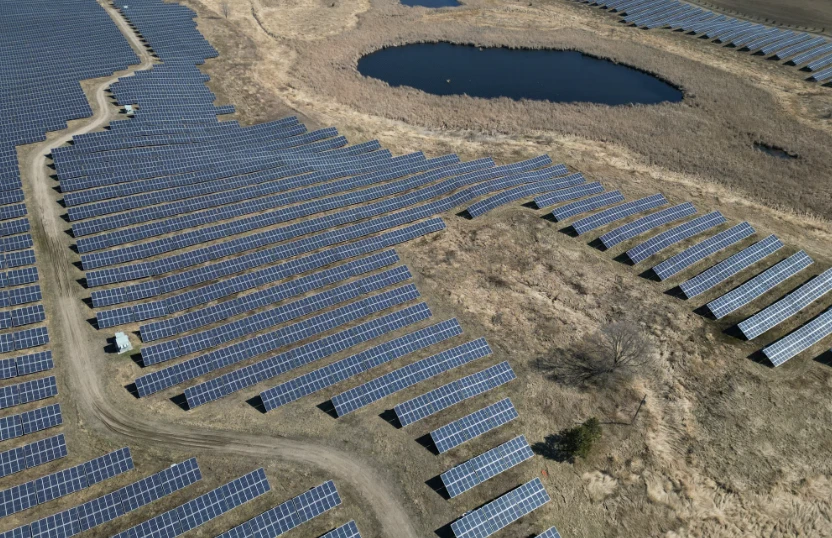
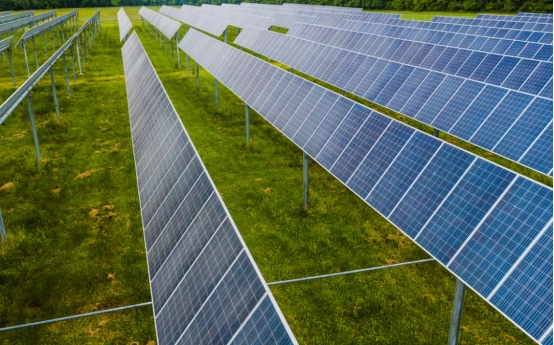
Ground mounting systems allow for optimal tilt and orientation, maximizing solar radiation intake. Unlike a roof, where you are stuck with the 20-degree slope the architect liked, a solar mounting system on the ground can be set to the perfect latitude-based angle. CZT solar is committed to providing one-stop photovoltaic power station solutions for various customers such as large-scale ground power stations, industrial and commercial.
Increased airflow around the panels keeps them cooler, which improves overall photovoltaic efficiency—panels actually lose efficiency as they get hot. This makes them ideal for properties with insufficient roof space or structural limitations.
Fixed-Tilt vs. Seasonal Adjustability
Fixed-tilt ground mounting structures offer a cost-effective, low-maintenance solution. They don’t move, so they don’t break. However, if you want the absolute maximum yield, CZT solar one axis tracking system is a solar mounting systerm that allows solar panel to move along a single aixs in order to track the sun, therefor increasing the efficiency of solar energy collection. Manual or automated adjustment features allow for seasonal optimization of the sun’s angle.
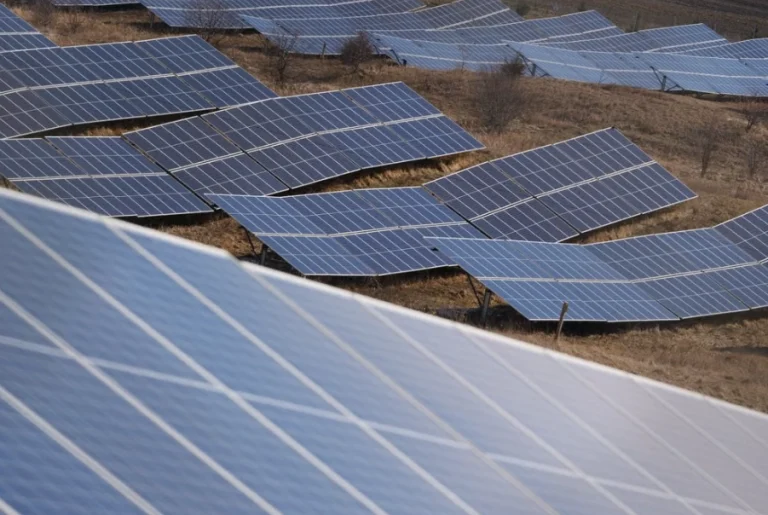
Foundations range from concrete piers to ground screws, depending on soil conditions and environmental factors. For instance, solar ground screw pile mounting systerm is excellent for plain or mountain applications where digging deep concrete footings is impractical.
Is Soil Quality More Important Than Roof Age?
Soil composition determines the type of solar ground mounting system foundation required, such as driven piles or ballast. If the soil is too rocky, you might need a concrete foudation solar mounting system. Conversely, a roof nearing the end of its lifespan should be replaced before installing a mounting system to avoid future removal costs.
There is nothing worse than paying to have a solar system uninstalled three years later just to replace shingles. Evaluating the long-term maintenance accessibility of ground-level arrays versus elevated roof systems also tips the scales; it is much easier to wipe dust off a panel when your feet are on the grass.
Comparative Cost Analysis Beyond the Initial Purchase
Don’t just look at the quote for the hardware. Look at the labor.
Installation Labor and Material Requirements
Roof mounts typically require fewer raw materials but higher labor precision regarding waterproofing. You are paying for the risk and the detail of sealing every hole. Unistrut channel steel is a high-quality, slotted metal framing system designed for modular construction that often simplifies these setups.
On the other hand, ground mounting systems involve more extensive hardware, including heavy-duty steel or aluminum profiles and trenching for wiring. You’ll see a lot of H steel beam usage here because H-beam steel, also known as H-shaped steel , is a structural steel member with an “H”-shaped cross-section providing excellent bending and compressive resistance, ideal for heavy-load structures.
Long-Term ROI and Performance Gains
Higher energy yields from ground-mounted systems often offset the initial higher investment over time. Because you can orient them perfectly, they simply produce more kilowatt-hours per panel. Maintenance costs are generally lower for ground units due to ease of cleaning and component replacement. You don’t need a crane or a harness to replace a faulty optimizer on a ground rack.
Identifying the Right Fit for Your Specific Project Site
It really comes down to the “where.”
When Does a Roof Mount Make the Most Sense?
In residential urban environments where land is a premium and space is unavailable, the roof is your only option. These projects prioritize a lower upfront cost and a more discreet aesthetic. Most homeowners don’t want a massive steel rack in their backyard if they have a perfectly good roof facing south.
When Should You Invest in a Solar Ground Mounting System?
Agricultural or industrial sites with significant open acreage are the prime candidates. Flexible solar mounting support is a large-span, high-clearance, multi-span structure that works perfectly for agriculture. You should also go this route in locations where the roof is shaded, obstructed, or structurally incapable of supporting a solar load. For projects requiring high-capacity energy generation that exceeds the physical limits of the rooftop, the ground is the only way to scale.
Technical Considerations for Mounting Hardware Selection
Hardware choice is dictated by the environment. The necessity of corrosion-resistant materials like hot-dip galvanized steel or anodized aluminum for coastal or humid environments is non-negotiable. Zn-Al-Mg steel ground mounting structure is a great choice for these conditions.
Wind load and snow load calculations must be tailored to the specific mounting geometry; for example, a carbon steel solar panel structure can be designed to handle a 216km/h wind load. Finally, ensuring compatibility between the racking system and the specific dimensions of modern high-efficiency solar modules is vital. We often use Z steel channel for roof purlins, wall studs, floor joists or as part of the bracing in the solar mounting system to ensure everything stays rigid for its 25 years service life.
FAQ
Q: Is a ground mount much more expensive than a roof mount?
Generally, yes, the upfront cost is higher because of the steel structures and foundation work. However, the increased energy production often leads to a faster ROI.
Q: Can I install a ground mount on a slope?
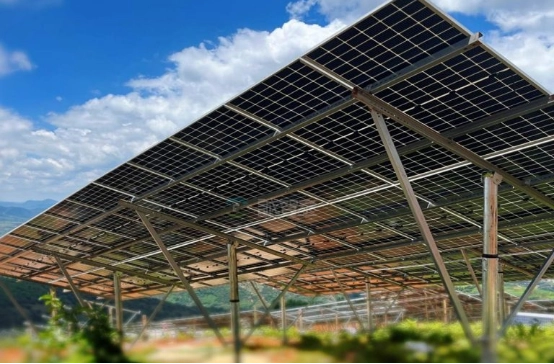
Yes. Systems like the flexible solar mounting in montains are specifically designed to adapt to conditions such as undulating terrain and increased vegetation.
Q: How do I know if my roof can handle the weight?
A structural engineer should always check. We look at the dead load (the panels) and the live load (wind and snow). If the roof uses thin rafters, we might need to reinforce them with omega steel beam or additional purlins.
Q: Do ground mounts require a lot of maintenance?
Actually, they require less “risky” maintenance. While you might need to weed-whack under them, cleaning the panels and checking the bolt and nuts is much safer and faster than doing so on a 30-degree roof.





 English
  Japanese
  Korean
  Spanish
  Arabic
  Russian
  French
  Thai
Thai