

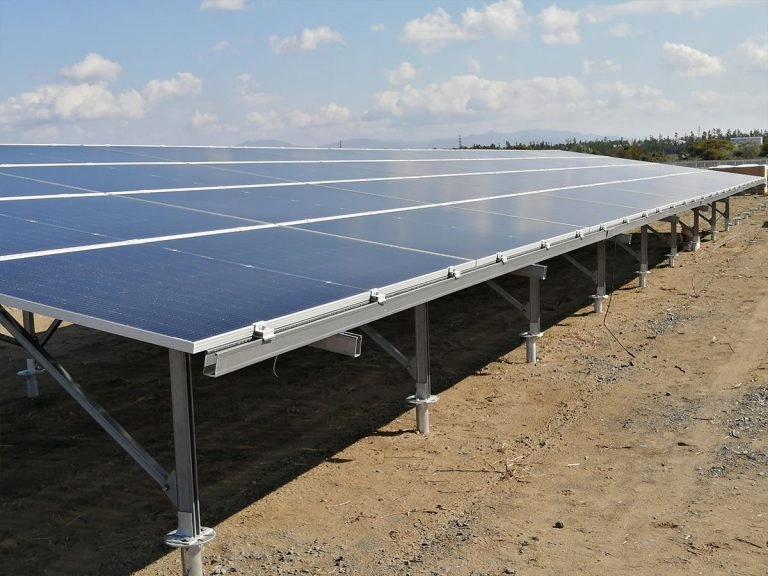
A solar mounting structure looks simple until it has spent years outdoors. Then small decisions become visible: coating quality, drainage, cut edges, and whether the steel section suits the actual site.
Zn-Al-Mg steel for solar mounting systems combines structural steel with a zinc-aluminum-magnesium coating intended for long outdoor exposure. Where corrosion and lifecycle cost matter, it is a practical choice.
What Is Zn-Al-Mg Steel?
Zn-Al-Mg steel is carbon steel coated with an alloy layer based mainly on zinc, aluminum, and magnesium. The coating is applied before the material is formed into solar structural components.
That fits PV manufacturing well because mounting parts are commonly cold formed, punched, and cut in large quantities.
How the Zn-Al-Mg Coating Works
Zinc provides sacrificial corrosion protection. Aluminum helps form a stable surface layer, while magnesium improves the behavior of corrosion products.
In service, corrosion tends to progress more slowly under many outdoor conditions, and the coating can help protect small scratches and cut edges as corrosion products develop.
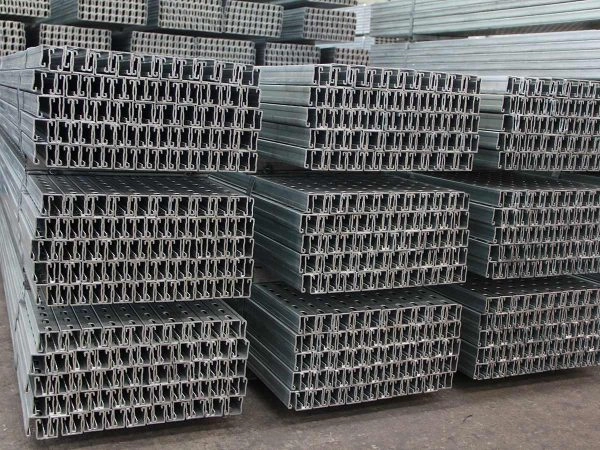
That is useful on solar channels and purlins with repeated punched holes and exposed edges.
Why It Is Used in Solar Structures
Solar mounting systems stay outside for decades. Rain is obvious. Condensation is less obvious. Salt, industrial dust, and wet soil can all change the corrosion environment.
Zn-Al-Mg steel combines structural efficiency with corrosion resistance. It is practical for C channels, Z profiles, purlins, posts, braces, and other repetitive PV components.
Key Benefits of Zn-Al-Mg Steel for Solar Mounting Systems
The attraction is the combination of corrosion performance, fabrication efficiency, and lower maintenance demand.
1. High Corrosion Resistance
For solar mounting, corrosion resistance is structural, not cosmetic. Section loss eventually affects load capacity.
A coastal project may look clean during installation, yet chloride exposure can become serious after years of wet dry cycling.
Zn-Al-Mg steel is a strong option in these conditions, provided the coating specification matches the site. Coastal and inland desert projects should not automatically use the same coating mass.
2. Better Protection at Cut Edges and Scratched Areas
Solar steel gets punched, cut, stacked, transported, and sometimes handled more roughly than planned.
Zn-Al-Mg coatings are valued for self protecting behavior around small exposed areas. Corrosion products can spread over nearby bare steel and slow further attack.
This does not make deep damage irrelevant. It does make normal cut edges and minor scratches less concerning.
3. Lower Long Term Maintenance Requirements
Maintenance becomes expensive when a structure is repeated tens of thousands of times.
Better corrosion resistance can reduce touch up work, part replacement, and unplanned site visits, especially where access is difficult.
The cheapest steel per ton is not always the lowest cost structure over 25 years.
4. Suitable for Precision Manufacturing
Zn-Al-Mg coated coil works well with automated profile production. Cold forming, punching, and cutting can be integrated into the same flow.
Hole positions, slot lengths, flange dimensions, and fit between parts affect installation speed.
CZT Solar combines Zn-Al-Mg steel with cold forming, cutting, punching, bending, welding, stamping, and pre-assembly for customized mounting components.
Where Is Zn-Al-Mg Steel Used in Solar Mounting Systems?
The material is useful where structures are repetitive, exposed, and expected to remain in service with limited maintenance.
Utility Scale Ground Mounted Solar Projects
Large ground mounted plants are a natural application. Zn-Al-Mg steel can be used for posts, beams, purlins, and braces.
A small improvement in corrosion performance becomes meaningful across a 100 MW site. Pre-punched profiles also reduce field modification.
Commercial and Industrial Rooftop Solar
Industrial rooftops bring different constraints. Weight matters. Access does too.
Cold formed Zn-Al-Mg sections can provide an efficient strength to weight ratio. A humid processing plant should not be treated like a dry warehouse simply because both are in the same city.
Coastal and High Humidity Solar Projects
Coastal sites need careful material selection. Zn-Al-Mg steel is often considered here, but the coating specification should be reviewed before production.
Distance from shore is only one variable. Wind direction, salt deposition, rainfall, and surface wetness matter too.
Agricultural and Other Demanding PV Environments
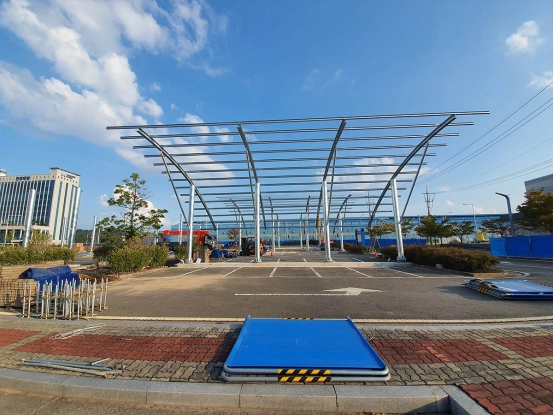
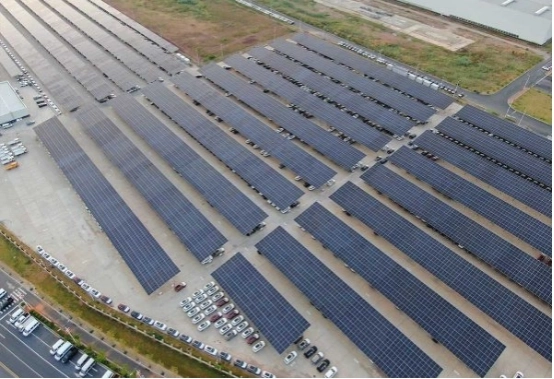
Agrivoltaic systems, carports, livestock areas, and industrial sites can expose steel to moisture, fertilizers, chemicals, or trapped debris.
One practical observation: poorly drained connections usually age worse than open, well drained details. Good material helps. Good detailing still matters.
How Long Does Zn-Al-Mg Steel Last in a Solar Mounting System?
A properly specified Zn-Al-Mg solar mounting structure can be designed for a service life of 25 years or more, depending on coating specification, environment, structural design, and maintenance conditions.
That does not mean every Zn-Al-Mg component automatically lasts 25 years. Service life is a system result.
Coating Thickness and Specification
Higher corrosion exposure generally requires a more robust coating specification. Coating mass and production quality should be defined against the project environment.
Site Corrosivity
Humidity, salt, industrial pollutants, rainfall, and temperature cycles all affect corrosion rate.
A dry inland site may be forgiving. A coastal rooftop with frequent condensation is not.
Structural and Drainage Design
Water traps shorten service life. So do dirt pockets and joints that remain wet.
Sections should drain whenever possible. Basic point, but still missed on real projects.
Installation Quality
Poor installation can defeat a good material choice. Severe scratches, incompatible metals, damaged fasteners, and uncontrolled field cutting can create local corrosion risks.
CZT Solar’s Zn-Al-Mg ground mounting structure is specified with a 25 year service life and a 15 year warranty. Actual project requirements should still be checked against site conditions.
How to Choose Zn-Al-Mg Steel for Your Solar Project
Material selection should start with the site and structural design, not with a coating name on a quotation.
Check corrosion category, distance from the coast, required service life, wind load, snow load, soil and foundation conditions, steel thickness, profile geometry, coating specification, fabrication method, and pre-assembly needs.
Connection design deserves equal attention. Thin walled profiles are efficient only when holes, bolts, brackets, and local reinforcement work as one system.
For large projects, review drawings early. It is easier to correct a hole pattern on screen than on 20,000 finished purlins.
Zn-Al-Mg Solar Mounting Solutions from CZT Solar
CZT Solar provides one stop photovoltaic mounting system services covering R&D, manufacturing, sales, and project support. Its scope includes Zn-Al-Mg steel ground mounting structures and custom metal structural components.
Manufacturing capabilities include cold forming, cutting, punching, bending, welding, stamping, and pre-assembly. OEM and customized parts can be produced according to project drawings and installation requirements.
For EPC contractors, distributors, and solar developers, the useful discussion is specific: site environment, loads, foundation type, coating requirement, and installation sequence.
FAQs About Zn-Al-Mg Solar Mounting Steel
Q: Is Zn-Al-Mg steel suitable for coastal solar projects?
Yes. Its corrosion resistance makes it a strong option, but the coating specification should match chloride exposure, humidity, and site corrosivity. Coastal conditions vary more than a simple distance to sea rule suggests.
Q: How long can a Zn-Al-Mg solar mounting structure last?
A well designed system can be specified for 25 years or more. Actual lifespan depends on coating specification, environment, drainage, structural details, installation quality, and maintenance. CZT Solar’s Zn-Al-Mg ground mounting solution is specified for a 25 year service life.
Q: Can Zn-Al-Mg steel be cut and punched?
Yes. Zn-Al-Mg steel is commonly cold formed, cut, and punched into solar structural components. Its protective behavior around small cut edges is one reason it suits repetitive PV profiles. Fabrication quality still matters around severe damage or uncontrolled field modifications.
Conclusion
Zn-Al-Mg steel makes sense where a solar structure needs corrosion resistance, repeatable fabrication, and reasonable lifecycle cost. Its value shows up after years of exposure, when coating quality, drainage, fabrication, and installation details continue to work together.
Planning a ground mounted, rooftop, or custom PV project? Contact CZT Solar to discuss the appropriate Zn-Al-Mg steel structure and coating specification for your site.







 Korean
  English
  Japanese
  Spanish
  Arabic
  Russian
  French
  Thai
Thai