

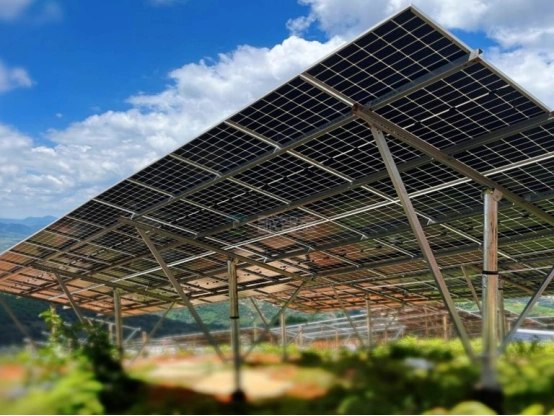
A solar mounting system can look simple in a drawing. On site, small dimensional errors become expensive. A rail that is slightly off can shift a whole module row. A bracket that misses the roof purlin creates extra drilling. A connector with the wrong hole pattern slows every installer.
The structural parts matter as much as the modules they support. Custom metal fabrication for solar mounting systems aligns the steelwork with the actual project. It delivers the right profile, hole location and connection detail. The result is a structure that is easier to install and more predictable in service.
What Is Custom Metal Fabrication for Solar Mounting Systems?
Custom fabrication turns an engineering drawing and site requirements into finished mounting components. The work may include cold forming for C, Z, U or Omega channels. It can also involve laser cutting, plasma cutting, bending, welding, stamping, punching and pre-assembly.
Materials and finishes are selected for the application. Hot-dip galvanized steel is common for exposed structures. Pre-galvanized steel, Q235B or Q345B steel, aluminum and stainless steel may suit other parts. Dimensions are adjusted to match the design instead of forcing the design to fit stock components.
A custom part may have a different thickness, length, slot pattern, bend angle or surface treatment. Packaging can be customized too, with parts grouped by installation area.
1. Better Dimensional Accuracy Improves Structural Fit
Mounting components work as a system. A rail, channel, bracket and connector must meet at the same point. When dimensions are controlled during forming and punching, installers do not need to pull parts into alignment with excessive force.
Accurate hole spacing keeps bolts seated correctly. Consistent channel profiles reduce twisting and uneven contact. Brackets can hold the intended tilt angle without improvised washers or field-cut shims. This matters on long ground-mount rows where a small error at one bay can repeat across the array.
Field modification creates another risk. Drilling through a galvanized part damages the protective layer around the new hole.
CZT Solar supplies custom steel channel solutions for different structural layouts. C, Z and Omega profiles can be formed and punched to the project drawing before delivery.
2. Project-Specific Design Helps Manage Wind, Snow and Site Loads
A standard mounting kit cannot suit every site. Wind pressure changes with terrain, building height and array elevation. Snow loads vary by region. Rooftop systems must also work with existing purlins and waterproofing details. Ground systems bring questions about piles, foundations and bracing.
Custom fabrication gives the engineer more control over these interfaces. Profile dimensions can follow the structural calculation. Hole positions can match the foundation or roof support. A connector can be designed around a particular tilt angle instead of being adapted after delivery.
This does not replace engineering. Load calculations still need to be completed for the project. Fabrication turns those requirements into repeatable parts.
CZT Solar’s solar ground mounting systems include pile and concrete foundation options.
3. Stronger Connections Support Long-Term Reliability
A mounting structure is only as dependable as its connections. Loose interfaces allow movement. Poorly matched parts create local stress. Repeated wind loading can expose weaknesses that were invisible during installation.
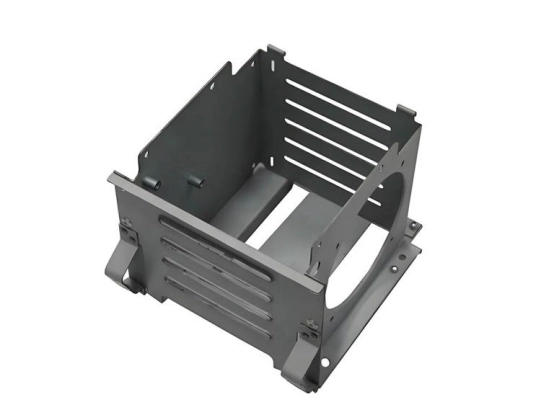
Custom welding, stamping and connection parts help keep interfaces consistent. The weld type can suit the part geometry. Stamped connectors can be produced with repeatable dimensions. Bolt holes can be positioned to keep the load path clear and the connection accessible for inspection.
Outdoor exposure makes material and finish important. Galvanizing, coating and stainless hardware need to be specified as a complete system. Quality checks should cover dimensions, material records, welds and surface treatment.
CZT Solar’s production setup includes welding and stamping workshops alongside forming and cutting. That reduces the handoff between separate fabricators when a project needs structural profiles and smaller connection parts.
4. Pre-Assembly Reduces Installation Time and Field Risk
Installation teams lose time when every connection has to be measured and sorted at the jobsite. Pre-assembly moves part of that work into a controlled workshop.
Pre-assembled kits arrive with matching hardware and labeled channels. These details do not change the engineering design, but they change how smoothly the design becomes a finished array.
Consider a commercial rooftop with several roof zones. If each zone receives labeled packages, installers spend less time searching through mixed cartons. Fewer adjustments also mean fewer damaged coatings and fewer incorrect fastener combinations.
CZT Solar’s solar mounting system service process covers sample confirmation, customized quotation, production, inspection, pre-assembly, packing and delivery. Problems found at the sample stage are easier to correct than problems found after a container reaches the site.
5. Flexible Fabrication Supports More Solar Applications
Solar projects are rarely identical. Even two rooftops in the same city can have different support spacing and installation constraints.
Custom fabrication supports fixed ground mounts, rooftop BAPV systems, solar carports, tracking structures and flexible mounting systems. It also covers OEM parts for distributors and system integrators who work to their own project specifications.
This range has a practical procurement benefit. A buyer can coordinate channels, brackets, clamps, welded parts and accessory components through one technical contact. Drawings, revisions and inspection requirements stay easier to track.
How to Select a Custom Metal Fabrication Partner
A low unit price does not reveal whether a supplier can manage the full project. Ask how drawings are reviewed. Confirm which forming, cutting, welding and stamping processes are available. Check whether samples are produced before mass production and whether pre-assembly is supported.
The quotation should address material grade, thickness, profile dimensions, hole locations and surface treatment. It should also record quantity, design loads, packaging method, inspection documents and delivery destination.
International projects need another layer of coordination. Factory inspection, packing records and shipment planning can be as important as fabrication. A supplier near a major port may simplify export logistics, although the delivery plan still depends on the order and destination.
Why Work with CZT Solar for Custom Fabricated Mounting Components?
CZT Solar combines photovoltaic mounting products with metal fabrication under one organization. Its workshops cover cold forming, laser and plasma cutting, bending, welding, stamping, packing and pre-assembly. The range includes steel channels, clamps, welded parts, solar fences and complete mounting solutions.
For a project team, the useful point is coordination. Design guidance, sample confirmation, factory or goods inspection and customized packaging can be discussed in the same supply process. OEM and ODM requests can be developed from drawings or samples.
That model suits EPC contractors who need a complete mounting structure. It also suits distributors who need a repeatable metal component with a specific hole pattern or finish. The correct starting point is a drawing, project location, design loads and estimated quantity.
Conclusion — Turn a Design Requirement into a Production-Ready Solution
Custom fabrication improves solar mounting performance through better fit, load-specific geometry, dependable connections and simpler installation. It also makes unusual project requirements easier to manage.
Send CZT Solar the drawings, site conditions, material preferences and estimated quantity. The team can review the requirements and prepare a mounting-system or OEM metal-fabrication proposal. Contact CZT Solar to discuss the next project.
FAQ
Q: What solar mounting parts can be custom fabricated?
Rails, steel channels, brackets, clamps, connectors, welded parts, stamped parts, pile components and other OEM metal parts can be customized according to drawings and project requirements.
Q: Does custom fabrication support small trial orders?
A supplier may provide samples or small-batch production before mass production. Confirm quantity, tooling and lead time during the quotation stage.
Q: What information should I send for a quotation?
Provide drawings, material, dimensions, hole locations, surface treatment, quantity, project loads, packaging requirements and delivery destination.





 French
  English
  Japanese
  Korean
  Spanish
  Arabic
  Russian
  Thai
Thai