

Suppose you’re moving pallets away from a warehouse roof leak when the solar quotation lands on your desk. The electricity savings look tempting, but you’re more concerned about the stock getting wet tonight. Can the same project deal with both?
That’s a useful place to start the BIPV vs BAPV discussion. With commercial roof replacement already on the budget, you have a chance to buy the roof and solar together. We’d take that chance to compare them properly. Especially before anyone orders roof sheets.
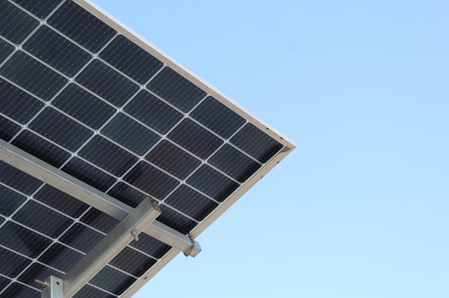
What Are BIPV and BAPV Solar Systems?
What Is Building-Integrated Photovoltaics (BIPV)?
Ask what would occupy that space without the solar material. With building-integrated photovoltaics, the answer could be ordinary roofing or glazing: the generating material has replaced it. You can build it into a roof or skylight, or use it in a façade. Remove it, and you’ve removed part of the building enclosure too.
What Is Building-Applied Photovoltaics (BAPV)?
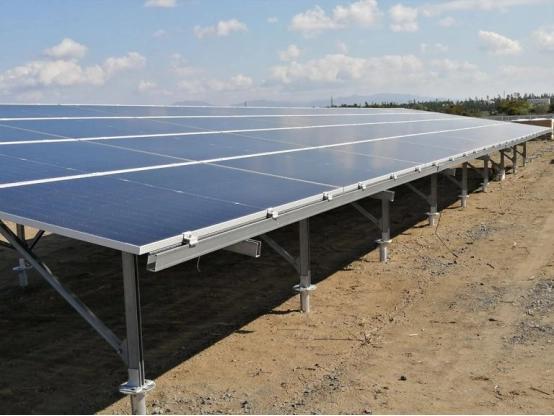
For building-applied photovoltaics, you still buy a complete roof. The modules go above it on a rooftop solar mounting system. Rails hold them in position with mounting accessories at the connections. A broken module can usually come off without removing the covering underneath. Reaching a roof defect below several rows is another matter.
BIPV vs BAPV: Key Differences for Commercial Roof Replacement
|
Comparison Factor |
BIPV |
BAPV |
|---|---|---|
|
System integration |
Part of the building envelope |
Mounted above the roof |
|
Roofing function |
Replaces selected roofing materials |
Separate roof covering remains |
|
Design flexibility |
Tied to roof design |
Multiple mounting arrangements |
|
Installation |
Roofing and PV details coordinated |
Mounting follows roof preparation |
|
Roof maintenance |
May involve integrated components |
Modules often accessible separately |
|
Best-fit scenarios |
Planned roof integration |
Adaptable rooftop installation |
Which System Is More Suitable for Your Project?
We’d put a BIPV roofing system on the shortlist for an owner who wants the solar built into the architecture. If keeping the roof and generating equipment separately serviceable matters more, we’d look closely at a BAPV solar mounting system. Compare quotes against the same power target. Check what’s included in the roofing work before calling either one cheaper.
How Roof Condition Affects Your Solar System Choice
When BIPV Makes Sense
If most of the roof must come off, there is room to rethink it. You’re no longer trying to fit solar around a covering that still has useful years left. BIPV becomes more attractive here, particularly when appearance matters. We’d still want to know how one damaged section comes out.
When BAPV Is the Better Option
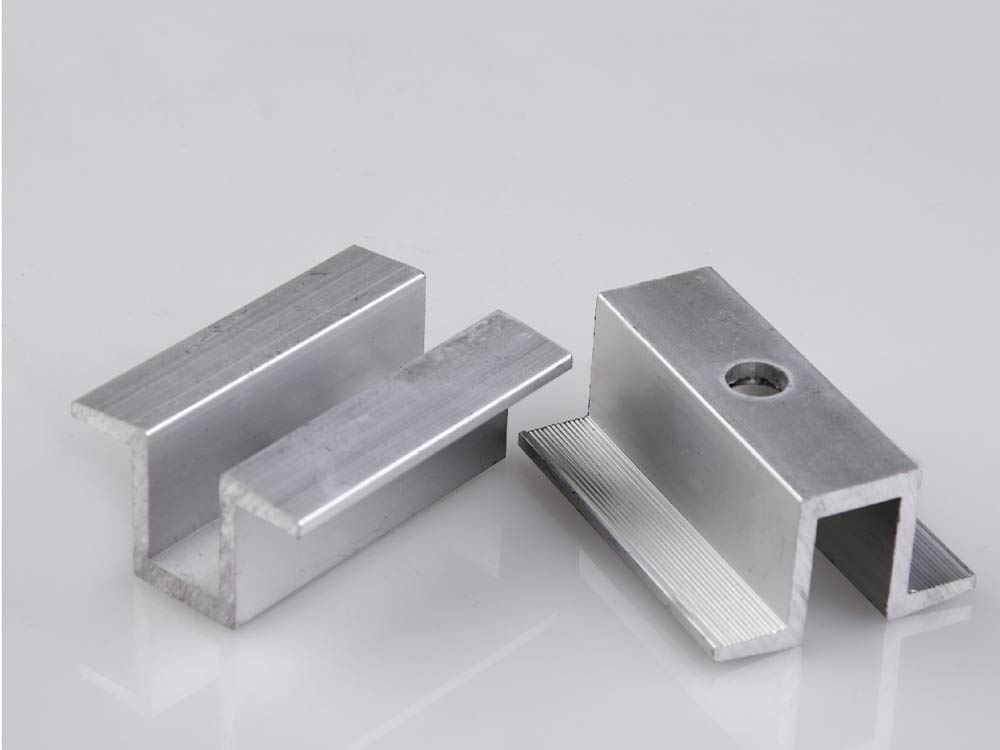
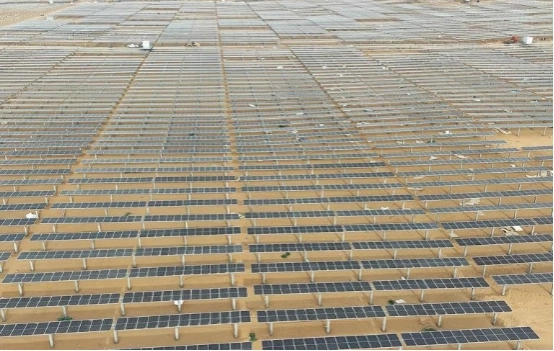
For a sound replacement roof with suitable structural capacity, BAPV is often the practical starting point. Standard or custom supports can suit the layout while leaving options for later equipment changes. Our 5 MW BAPV installation in Singapore gives a sense of commercial scale. Capacity alone, however, says nothing about whether another roof can carry it.
Cost and Long-Term Value: BIPV vs BAPV
Initial Installation Costs
The BIPV quote may look expensive beside a module-and-racking price. But where is the replacement roof in that comparison? Credit the roofing material BIPV displaces, then account for specialist products and design work. For BAPV, add the separate roof to the installed solar price. Access costs belong in both.
Lifecycle Costs and Return on Investment
For a commercial solar roofing budget exercise, let’s use 100,000 kWh of annual generation. Suppose your operation consumes all of it and avoids a $0.12/kWh electricity purchase. You’d save $12,000 before expenses under those assumptions. Export some power at a lower rate and that figure changes. So does the return if roof repairs mean lifting modules. We’d budget for that access work as well as routine maintenance.
Installation Time and Business Disruption
Where will the crane stand while your morning deliveries arrive? On a busy warehouse site, the empty space on the drawing may be tomorrow’s unloading area.
BIPV needs roof joints and electrical interfaces resolved together. BAPV needs a sequence for roof completion followed by mounting and module lifts. Both need weather allowances and safe separation from daily operations. Plan material deliveries around available storage, too. Preassembly saves some site assembly work. It won’t help much if the crew is waiting for a delivery bay to clear. Nor can the schedule assume every stripped roof section stays dry overnight.
Structural, Waterproofing, and Compliance Considerations
Structural Loads and Mounting Compatibility
New sheets can hide old steel. We’d want the commercial roof structural assessment to reach the supporting members and their connections. It must account for added weight alongside local wind and snow loads. Measure purlin spacing. A BAPV attachment that doesn’t fit the roof profile is trouble waiting to happen. With BIPV, that connection also belongs within the roof assembly’s design.
Waterproofing, Durability, and Building Codes
Look at the drain beneath a proposed row. Could someone still clean it? Follow the water past every penetration on the drawing. Specify corrosion protection for the exposure, too. Long runs need allowance for solar mounting rail thermal expansion. Before signing, establish who handles a leak at a mounting connection under the warranties. Local building approval still matters, alongside the applicable electrical and fire rules.
How to Choose Between BIPV and BAPV
Put these five items beside the quotations:
Roof condition and replacement scope.
Structural capacity and local weather conditions.
Project budget and lifecycle cost.
Installation schedule and maintenance access.
Building design goals and future expansion plans.
The roofer needs a seat beside the structural engineer and PV designer. Give them measured site information and arrange safe access for a survey. An old drawing may miss equipment added years after construction.
Why Choose CZT Solar for Commercial PV Mounting Solutions?
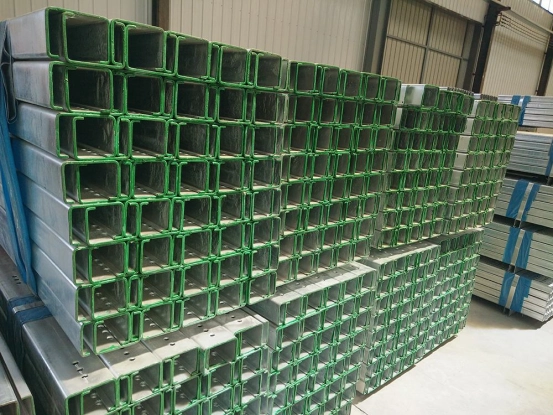
Once the roof approach is settled, we can help bring the mounting package together. Our PV mounting services cover BIPV systems and roof brackets, alongside custom metal components. For an awkward connection, custom fabrication can help match the support to the approved design. It also gives procurement a defined part to order.
Send the roof drawings with your load requirements. We’ll need the material specification and surface treatment settled for production. Get the connection drawings agreed as well, with delivery quantities matched to your installation sequence.
Frequently Asked Questions
Is BIPV better than BAPV for commercial roof replacement?
Not automatically. We’d favour it where replacing roofing material adds value and the repair arrangement is acceptable to the owner.
Can BAPV be installed after a commercial roof replacement?
Yes, once the proposed supports have been checked for that roof. A newly replaced covering still needs an agreed waterproof attachment detail and adequate structural capacity.
What should I check before selecting a commercial solar mounting system?
We’d ask for the survey and load calculations before discussing hardware. After that, work through attachment fit and corrosion protection. Check installation access and local compliance too.
Conclusion: Make the Right Solar Roofing Decision
Before ordering, picture the next roof repair with the array in place. Does your preferred option still make sense? Bring the drawings when you discuss your commercial roof project with us. We can work from those to address the mounting details.





 Spanish
 English
 Japanese
 Korean
 Arabic
 Russian
 French
 Thai