

Introduction to Oxy Acetylene Cutting
What is Oxy Acetylene Cutting?
Oxy acetylene cutting serves as a steady thermal cutting method. It has formed a key part of industrial metalworking for many years. This approach differs from ways that only melt the metal. Instead, it uses a quick chemical reaction. The process mixes oxygen and acetylene gas to heat the metal to its ignition point. That point usually falls between 700°C and 900°C for steel. When the metal glows red, a strong jet of pure oxygen hits the hot spot. This sparks fast oxidation. It burns the metal and pushes the liquid slag from the cut. In our time, this technique stands as one of the best ways to cut thick steel plates in heavy industry and careful fabrication.
Why Choose Oxy Acetylene Cutting for Precision?
Oxy acetylene cutting handles very thick high-carbon and low-alloy steels well. It reaches depths that many new machines find hard to match without high costs. When you pair fine cutting tips with guided track burners, the method creates even, straight edges. These meet tough industry standards. Also, it needs no large electric supply. This gives great ease and correctness for field work and solid structure building.
Understanding the Oxy Acetylene Cutting Process
How Does the Oxy Acetylene Cutting Torch Work?
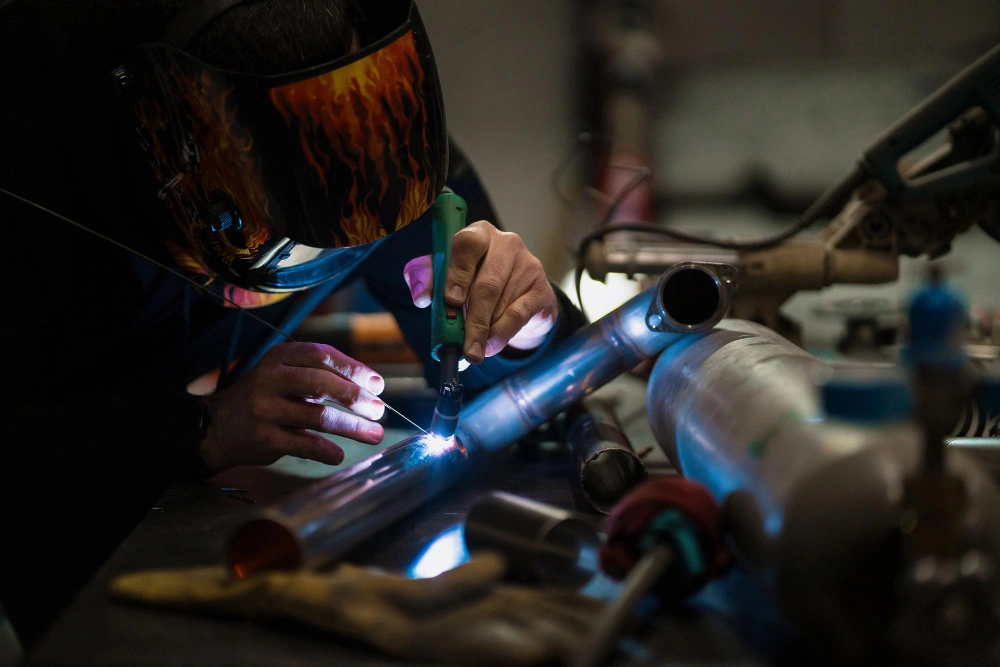
An oxyacetylene cutting torch works through careful handling of blended gases. The user starts by lighting the acetylene. Then, they add oxygen bit by bit to form a balanced preheating flame. This flame hits temperatures above 3,000°C. When the spot reaches the right starting heat, the user pulls a lever for high-pressure oxygen. This focused stream of pure oxygen cuts the hot metal. It turns it to oxide right away and clears the slag to make a neat cut. The speed of cutting and the torch’s tilt shape the final item’s accuracy.
Key Components of the Oxy Acetylene Setup
Clean cuts demand a kept-up and matched setup. A basic oxy acetylene cutting system includes these main parts:
- Cylinders:Heavy-duty steel tanks safely store highly pressurized pure oxygen and acetylene.
- Regulators:Devices attached to the cylinders that step down the extreme internal pressure to a safe, consistent working pressure for the torch.
- Hoses:Color-coded, flexible lines (typically red for acetylene and green for oxygen) that safely transport the gases to the torch.
- Torch and Cutting Tips:The core operating tool. Operators must swap cutting tips with different orifice sizes depending on the thickness of the metal to ensure the oxygen jet remains focused and powerful.
Applications of Oxy Acetylene Cutting in Precision Industries
Oxy Acetylene Cutting in Metal Fabrication
In metal fabrication, splitting thick plates sets the base for later steps. As a maker of photovoltaic mounting systems and custom metal parts, we at CZT solar know how vital cut accuracy is. Our 2,000-square-meter workshop has 2 modern laser cutting machines and 1 plasma cutting machine. These suit high-accuracy sheet metal parts (0.1mm – 10mm) such as C-shaped steel, Z Types, U Types, and OEM stamping accessories. Yet oxyacetylene cutting remains a key extra method. It often starts with the handling of very thick plate stock before exact follow-up work.
Role in Aerospace and Automotive Manufacturing
Although aerospace and modern automotive manufacturing heavily rely on CNC machining and cold forming, oxy acetylene cutting plays a pivotal role in the preliminary stages of heavy tooling. When creating massive jigs, high-strength alloy molds, or large chassis components, this process rapidly removes bulk material. It quickly blanks out complex shapes, leaving the perfect amount of stock material for final CNC precision milling, thereby drastically optimizing the overall production cycle and cost.
Advantages of Oxy Acetylene Cutting Over Other Methods
Cost-Effectiveness and Accessibility
Oxy acetylene setups cost far less than big laser or waterjet systems. Those need large upfront spending and hard upkeep. This method skips fine lenses, water cooling, or three-phase power. Such easy movement makes it cheap for big factory floors. It also works well for building fixes and on-site changes.
Superior Precision in Certain Materials
For low-carbon and low-alloy steels over 50mm or even 100mm thick, the usual small cutting tools hit limits. They lack depth or cause big edge slants. In such thick cases, oxy acetylene cutting keeps fine straightness and even surfaces.
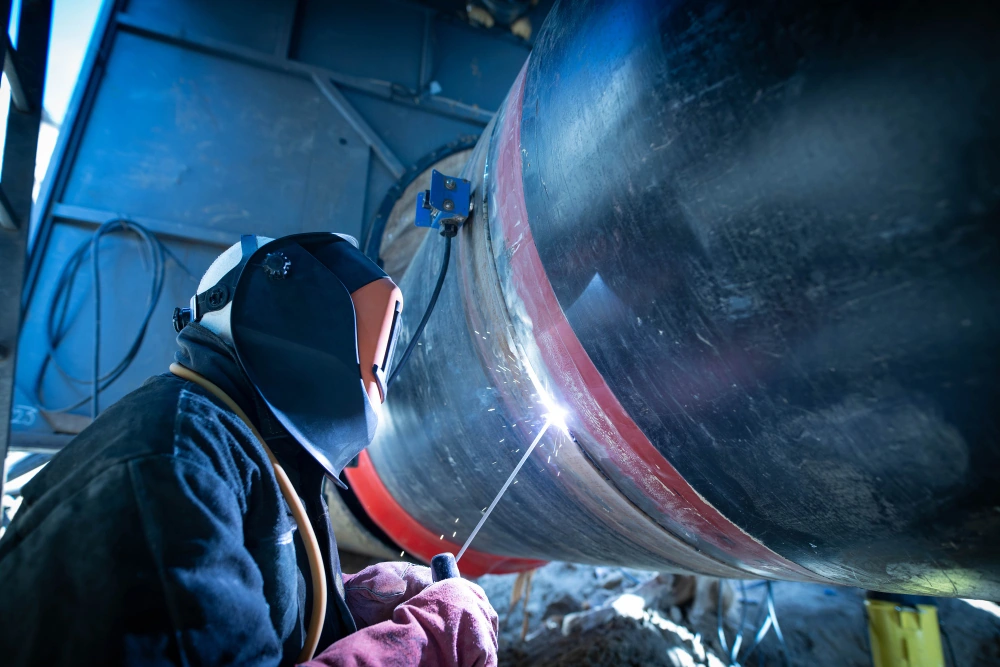
At CZT solar, we act as a reliable worldwide provider for custom metal works. We often manage jobs with heavy machine brackets, mounts, and support columns. For these solid parts from 1mm to 50mm thick, we use different cutting methods. We apply modern tools for thin sheets to keep evenness. But the deep reach of oxyacetylene cutting for very thick carbon steel fits our tight welding rules. With our auto and hand welding—which follow AWS and ISO 3834 standards fully—we guard the strength and accuracy of each heavy support part.
| Cutting Method | Best Suited Materials | Optimal Thickness Range | Precision Performance |
| Oxy Acetylene Cutting | Mild Steel, Low-Alloy Steel | 10mm – 300mm+ | Excellent verticality on thick plates |
| Laser Cutting | Carbon Steel, Stainless, Aluminum | 0.1mm – 25mm | Extreme precision, minimal heat distortion |
| Plasma Cutting | All Conductive Metals | 1mm – 50mm | Fast speeds for mid-thickness blanking |
Common Challenges and How to Overcome Them in Oxy Acetylene Cutting
Managing Heat Affected Zones (HAZ)
Heat cutting always forms a Heat Affected Zone (HAZ). This can change the small structure at the metal edge and raise hardness in spots. In careful uses where size steadiness counts most, a big HAZ raises bend risks. To cut this effect, users need to adjust their move speed. They should hold a firm, quick rate. It must stay just slow enough for the cut. This limits heat time in one place. Also, the right tip choice avoids large, heat-holding preheat flames.
Tips for Achieving Optimal Cutting Quality
To get a tool-like edge finish in oxy acetylene cutting, focus on small points. First, clean the metal face well of rust, oil, and thick paint. These block the oxidation action. Second, keep a steady gap (often with preheat cones 1.5mm to 3mm from the face). This aids heat flow. Last, clean the cutting tip often with a special tool. This keeps the high-pressure oxygen jet straight and clear.
FAQ
Q: What materials are best suited for oxyacetylene cutting?
A: Oxy acetylene cutting fits only mild steel and low-alloy steels. The method depends on fast chemical oxidation of the metal, not mere melting. So, it fails to cut non-ferrous metals like aluminum, copper, or stainless steel well. For those, we at CZT solar use modern laser and plasma systems for exact outcomes.
Q: How thick a metal can oxy acetylene cutting handle effectively?
A: This method shines in tough jobs. With the right torch and tip mix, oxy acetylene cutting slices carbon steel plates from 1mm to over 300mm thick well. Few standard mechanical or simple thermal cuts match this depth at low cost.
Q: How accurate is oxy acetylene cutting for creating precision parts?
A: Skilled users with track burners or auto CNC frames can hold tight measures in oxy acetylene cutting, often within millimeters. We suggest our laser cutting for detailed thin sheets. But for heavy structure plates, its straight accuracy fits strict industry rules.
Q: What is the main difference between plasma cutting and oxy-acetylene cutting?
A: The key gap sits in the tech base and material fit. Plasma cutting employs a conducting gas for a hot arc that melts any conducting metal (like aluminum and stainless) at quick rates. Oxy acetylene cutting uses a chemical oxidation action tied to carbon steel. It gives deeper cuts and lower run costs on very thick plates.
Q: How can operators minimize slag when using oxy acetylene cutting?
A: To cut down slag sticking to the bottom edge, users set the right mix of oxygen pressure and move speed. Too slow a pace over-melts the metal and sticks it below. Weak oxygen pressure leaves liquid oxides behind. Cleaning the steel face first boosts edge evenness a lot.









 English
  Japanese
  Korean
  Spanish
  Arabic
  Russian
  French
  Thai
Thai