

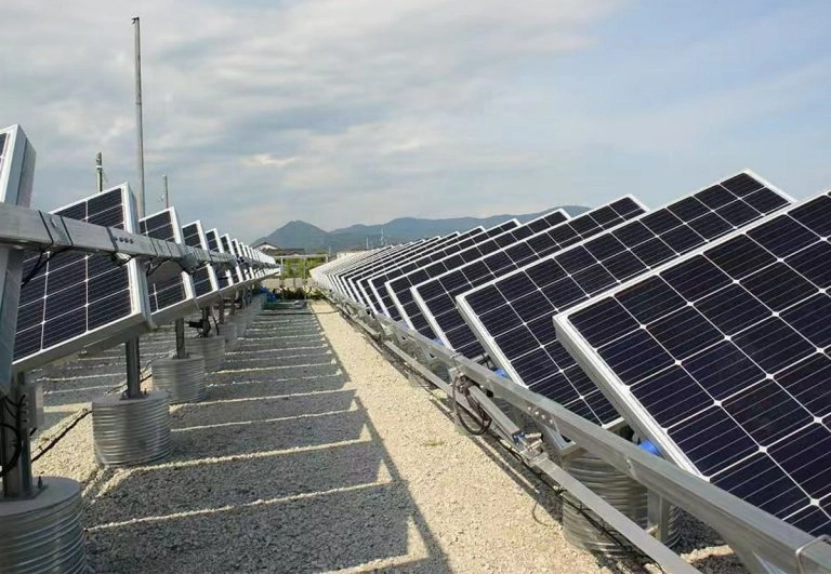
Solar trackers constantly change the angle of panels to follow the sun. This movement significantly improves how much power a plant produces. For massive solar projects, picking the right equipment directly impacts total output and return on investment (ROI). Many factors play a role here, such as the shape of the land, local weather, and budget limits. A flat desert location might be perfect for simple single-axis systems. However, hilly areas or places far from the equator often get better results from multi-directional tools.
Common Solar Tracker Types
Fixed tilt systems do not move at all. They are cheap to build but lack efficiency because they cannot adjust to the sun’s changing position. On the other hand, active systems like one-axis and four-direction trackers use motorized parts to catch more light. Choosing between them depends on the ground surface, the size of the project, and how much care the machines need over time.
| Tracker Type | Movement | Efficiency Gain vs Fixed | Typical Use Case |
| Fixed Tilt | None | Baseline | Small projects or budget-limited sites |
| One Axis | East–West rotation | +15–25% | Utility-scale projects on flat terrain |
| Four Direction | Multi-directional (E–W–N–S) | +30–40% | Complex terrain or high latitude |
By looking closely at specific hardware, we can see how these different designs handle real-world challenges.
Exploring the One Axis Solar Tracker
The one axis solar tracker is still a top choice for big energy plants. It offers a great mix of straightforward engineering and solid power gains.
How One Axis Trackers Operate
These machines swing panels along a single line, usually from east to west. This path follows the sun’s daily journey across the sky. The CZT One Axis Tracking System is a solar mounting systerm that allows solar panel to move along a single aixs in order to track the sun, therefor increasing the efficiency of solar energy collection. To keep the motion smooth, the system uses slewing drives or linear parts. Most can tilt between ±40° and ±60° to stay aligned with the light.
Advantages of One Axis Trackers in Utility Projects
Big power plants love these trackers because they are very dependable. The CZT One Axis Tracking System is made of HDG & Al-zm-Mg steel with a slewing drive system and offers a 15-year warranty. These tough materials stop rust and keep the frame strong for decades. Since the design is simple, there are fewer parts that can break. This means lower repair costs and less time spent fixing things. They work best on flat land where the sun shines clearly throughout the day.
Limitations to Consider
Even though they are better than stationary racks, one-axis units have limits. They struggle during the early morning or late evening because they cannot tilt up or down to face a low sun. Also, on very cloudy days, their advantage drops. This is because grey skies scatter light in every direction, making the tracking less effective.

Examining the Four Direction Solar Tracker
When a project needs the highest possible energy output, four direction trackers are the best high-tech choice. They work well even when the weather is bad or the ground is rough.
Working Principle of Four Direction Tracking Systems
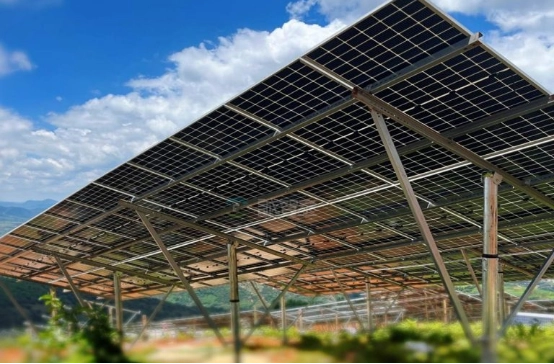
These units move the panels in two ways at once. They follow the sun from left to right and also adjust for its height in the sky. The CZT Four Directions Tracking System is a new type solar mounting system that allows solar panel to move along in four directions (East, South, West, North) in order to track the sun. Because they move on multiple axes, the panels stay in the perfect spot even as seasons change or shadows fall across the site.
Key Benefits for Large Solar Farms
Four direction systems are designed to squeeze every bit of power out of the sun. They can shift positions to catch rays in any season or weather. This makes them ideal for bumpy or uneven land where simple trackers might fail to line up correctly. The CZT Four Directions Tracking System uses Japan Made automatic Control Box, providing precise adjustments and reliable automation critical for large-scale operations.
Technical Challenges and Investment Considerations
The main downside is that these systems are more complex. They use more motors and sensors, which means they cost more to buy and take longer to set up. You also need a skilled team to keep everything calibrated and moving together. However, if you build in a place with high sunlight potential, the extra power often pays for the higher price tag over time.
Comparing Four Direction vs One Axis Trackers in Real Applications
Comparing these two styles side by side helps builders choose the right tech for their specific environment.
Efficiency and Energy Yield Differences
Usually, four direction trackers produce 10% to 20% more power each year than one-axis models. This is because they can see the whole sky. However, the location matters a lot. Near the equator, the difference might be small. In northern areas where the sun stays low, the difference is huge. Many investors still pick one-axis systems because they provide a good boost in power without a massive price increase.
Installation, Maintenance, and Lifecycle Costs
One-axis setups are much faster to install. Their simple build means fewer things will go wrong over the years. H-Beam Steel is widely used in construction due to its high load-bearing capacity, stability, and efficiency in weight distribution. Many projects use H-beams or C-channels to create a strong but affordable base. In contrast, four-direction models need much heavier foundations. They often use specialized welding parts to stay stable at different angles. Plus, the high-end control boxes need more digital monitoring, which adds to the daily running costs.
| Comparison Aspect | One Axis Tracker | Four Direction Tracker |
| Movement Range | Single horizontal / vertical axis | Multi-directional (E-W-N-S) |
| Typical Energy Gain vs Fixed Tilt | 15–25% | 30–40% |
| Installation Complexity | Moderate | High |
| Maintenance Demand | Low–Medium | High |
| Ideal Terrain Type | Flat/Gentle slope | Uneven/Variable |
| Initial Cost Index (relative) | 1× baseline | 1.5×–2× baseline |
Suitability by Project Scale and Geography
If you have a huge piece of flat land in a sunny desert, a one-axis tracker is usually the smartest financial move. It keeps costs low while still performing well. But if your project is on a mountain or in a place with very short winter days, a four-direction tracker is better. It can tilt to find the light even in the most difficult conditions.
Choosing the Right Tracker System with CZT Solar Expertise
Picking the best tracker is not just about looking at a spec sheet. You need to match the technology to the actual ground you are building on. At the same time, CZT Solar is committed to providing one-stop photovoltaic power station solutions for various customers such as large-scale ground power stations, industrial and commercial industrial parks, public institutions.
Our global experts create custom designs based on local land shapes, sun patterns, and weight needs. Whether using HDG steel to fight rust or adding smart electronics for perfect movement, we focus on getting the best return for your money.
FAQs
Q1: What’s the main difference between a one axis solar tracker and a four direction solar tracker?
A one axis tracker follows the sun’s daily path from east to west on a single line. A four direction model moves both left-to-right and up-and-down to cover all angles.
Q2: How much extra energy can four direction trackers generate?
They generally produce about 10% to 20% more electricity than single-axis models, depending on how far you are from the equator.
Q3: Are four direction trackers worth their higher cost?
Yes, if the site has rough ground or very cloudy weather. The extra energy they collect helps pay back the initial investment over many years.
Q4: What materials are commonly used in building these tracker structures?
Builders use tough, treated metals like HDG steel or Al-Zn-Mg alloys. These materials are chosen because they do not rust easily when left outside.
Q5: How long do these tracking systems last?
Most professional trackers come with a 15-year guarantee. However, if they are maintained well, they can easily last for more than 25 years.





 English
  Japanese
  Korean
  Spanish
  Arabic
  Russian
  French
  Thai
Thai