
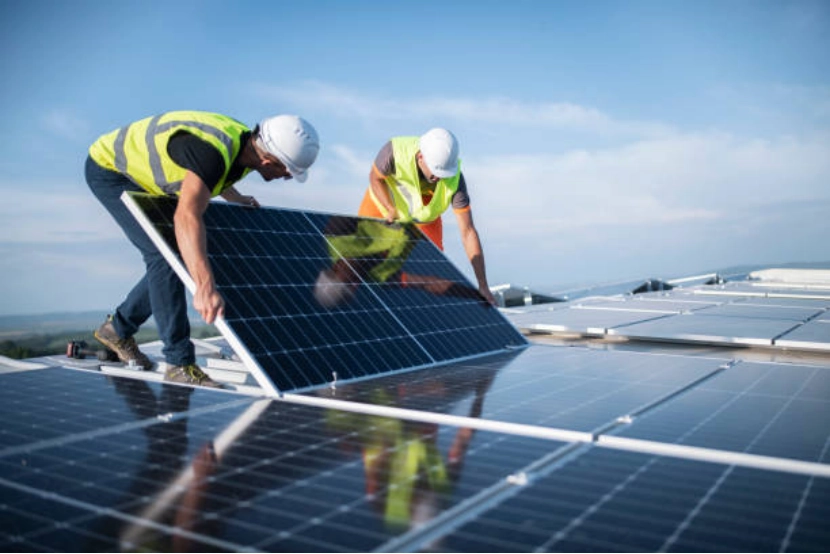
The Critical Intersection of Perimeter Security and Structural Integrity
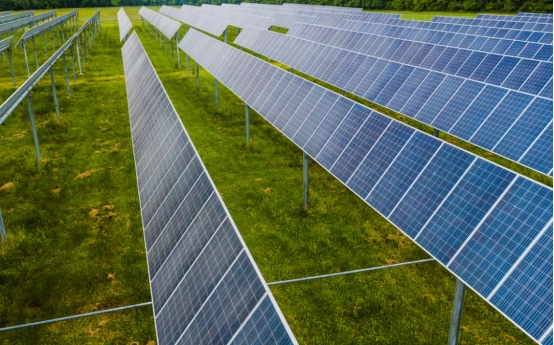
Solar farm safety begins with a dual layered approach combining physical barriers and stable mounting foundations. It is a mistake to view the fence and the racking as separate entities; they are the two primary shields for the multi-million dollar assets sitting in the middle of a field.
Ensuring project longevity requires understanding how these two components protect against environmental and human risks. If the mounting fails, the panels are gone; if the fence fails, the copper is gone. CZT solar emphasizes integrated planning to reduce long term operational expenditures. By looking at the site as a single mechanical ecosystem, developers can avoid the headache of mismatched hardware.
Why Should Developers Prioritize Specialized Solar Fencing?
Standard residential chain link is not enough for a utility scale site. A proper solar fence must handle high tension loads and decades of exposure without sagging.
Selecting Between Stainless Solar Fence and Galvanized Iron Fence
When choosing materials, the environment dictates the spec. Stainelss solar fence options offer superior corrosion resistance in high salinity or coastal environments. If the site is within five miles of the ocean, salt spray will eat through standard coatings in years, not decades. Conversely, galvanized iron fence for solar system remains a cost effective, high strength solution for inland projects with moderate climate demands. Material choice directly impacts the maintenance schedule and the overall lifespan of the security perimeter. It is about matching the metallurgy to the local chemistry.
Addressing Wildlife and Unauthorized Access Challenges
Strategic fence heights and mesh densities prevent local fauna from damaging sensitive wiring—rabbits and rodents are notorious for chewing through insulation. Anti-climb designs and reinforced gates serve as the primary deterrent against theft and vandalism. Furthermore, integrated grounding systems within the fence line enhance electrical safety for maintenance personnel. You do not want a lightning strike on a perimeter post to energize the entire line because it was not bonded correctly to the site’s main ground.
How Does Wind Loading Affect Perimeter Design?
Fencing must be engineered to withstand local wind speeds without creating turbulence that affects nearby panels. A fence that is too opaque acts like a sail, putting immense pressure on the posts. 50-60m/S Wind load is a common benchmark for high performance systems. Proper anchoring of fence posts prevents structural failure during extreme weather events. If the fence blows over, it usually takes out the first row of modules with it.
The Role of Mounting Structures in Ensuring System Stability
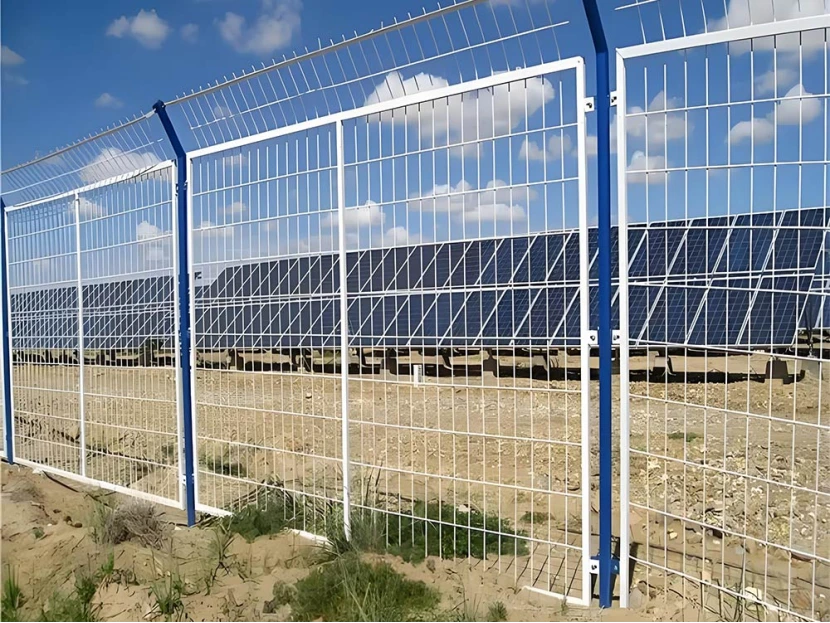
Mounting structures act as the backbone of the solar array, maintaining precise tilt and orientation. Whether it is a one axis tracking system or a fixed tilt setup, the geometry must be perfect. High quality racking systems distribute mechanical loads evenly to prevent micro-cracks in PV modules. CZT 태양 designs mounting solutions that account for soil composition and seismic activity. In soft soils, you might need a solar ground screw pile mounting systerm, whereas rocky ground might require a concrete foudation solar mounting system.
Maximizing Safety Through Material Science and Engineering
Engineering for safety means choosing profiles that handle stress. H beam steel, also known as H shaped steel , is a structural steel member with an H shaped cross section. It is ideal for heavy load structures because flanges and web distribute stress evenly, enhancing structural integrity.
The Benefits of Galvanized Coatings in Structural Components
Hot-dip galvanization provides a sacrificial layer that protects steel from oxidation for decades. Hot-dip galvanized, epoxy coated, or shot blasted for durability are standard treatments for the omega steel beam. Uniform coating thickness ensures there are no weak points in the mounting rack’s structural integrity. Resistance to abrasion during installation prevents the onset of premature rust, which is vital when piles are being hammered into abrasive soil.
Mitigating Risk with Precision Engineered Mounting Joints
Tight tolerances in bracket manufacturing prevent loosening caused by thermal expansion and contraction. Using steel welding parts that are manufactured through advanced welding techniques (MIG, TIG, or arc welding) ensures that connections do not fatigue. High tensile fasteners ensure that the array remains fixed during heavy snow accumulation. 1.4kn/㎡ Snow Load is a serious weight; if the purlin support or triangle connection fails, the whole table can collapse. Modular designs allow for safer and faster assembly, reducing the risk of on site installation accidents.
Can Integrated Design Reduce Project Liability?
Coordinating the installation of solar fences and mounting structures minimizes site disturbance. When the same engineering logic is applied to both, you get unified grounding and lightning protection across all metal structures, which reduces the risk of electrical surges. Comprehensive site planning ensures that fencing does not cast shadows on the modules at any point during the day. A shadow from a 2.5 meter fence can significantly drop the yield of the nearest string.
미래 Proofing Solar Assets with Robust Hardware
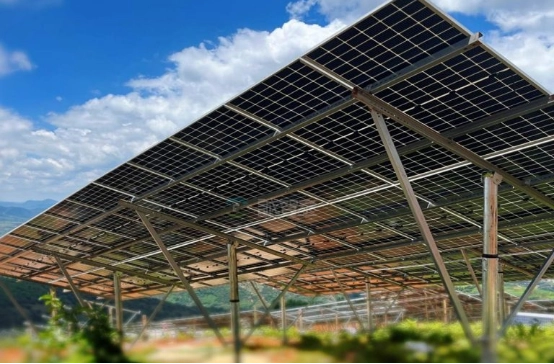
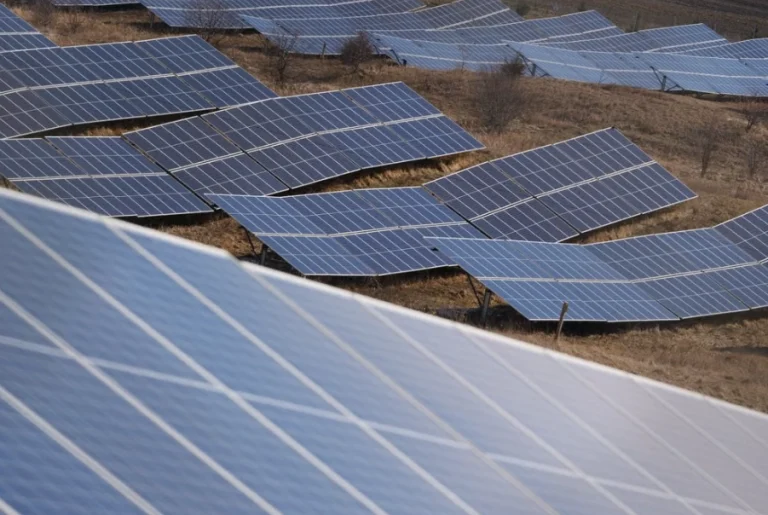
Robustness is not just about strength; it is about adaptability. Systems like the flexible solar mounting support in moutains show how we can now build on undulating terrain and increased vegetation by using prestressed steel cables tensioned between two fixed points.
Adapting to Changing Environmental Regulations
Modern fencing solutions must balance security with ecological permeability for small migratory species. This means designing the solar fence with specific gaps at the bottom. Sustainable manufacturing processes for mounting structures, such as using 100% recyclable H Beams, align with the green energy goals of the project.
Evaluating Long Term ROI of Premium Structural Components
Investing in high grade materials reduces the frequency of emergency repairs and system downtime. Using Zn-Al-Mg steel ground mounting structure materials might cost more upfront, but the 25 years service life makes the ROI clear. Enhanced safety features can lead to lower insurance premiums for large scale solar utility projects because the underwriters see less risk of structural failure or theft.
자주 묻는 질문
Q: What is the difference between C and Z steel channels in solar mounting?
C shaped steel, also known as C purlin or C channel , is a cold formed structural steel section with a distinctive “C” cross section often used for secondary framing. Z steel channel has a unique “Z” cross section that provides superior rigidity and load distribution, making it better for overlapping purlins in continuous spans.
Q: How fast can CZT solar deliver solar fencing for a project?
For both the galvanized iron fence and the stainelss solar fence, the 7-10 days Lead Time: with a 22,000 Meters /Week supply capacity.
Q: Can these structures handle extreme coastal winds?
Yes. Many systems, like the carbon steel solar panel structure, are rated for a 216km/h Wind load, ensuring stability even in hurricane prone zones.
Q: Are there modular options for fast installation?
Absolutely. The unistrut channel steel is a pre-slotted design that allows for easy adjustment and fastening without drilling, which is perfect for rapid on site assembly.





 Korean
  English
  Japanese
  Spanish
  Arabic
  Russian
  French
  Thai
Thai