
What to Expect at the International Green Energy Expo 2026?
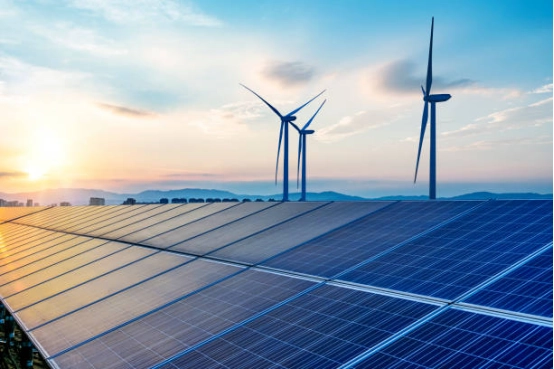
With the worldwide move to renewable energy picking up speed, the International Green Energy Expo & Conference 2026 marks a key point for the field. This gathering goes beyond showing equipment. It brings together ideas, and it tackles big issues like expanding solar setups and linking them to the grid. For those in the photovoltaic (PV) area, the expo lays out a path for the coming ten years of clean energy rollout.
Which Emerging Solar Technologies Will Steal the Spotlight in Green Energy Expo 2026?
By 2026, the field will have turned from basic energy gathering to full-system improvements. We look for growth in N-type TopCon and HJT (Heterojunction) modules. These need exact placement to boost gains from both sides. Also, adding smart tracking methods and AI-based upkeep tools to the setup is now common. Such advances call for a base that matches the smarts of the parts it holds. Thus, mounting frames must provide better build limits and built-in wire handling.
How Are Mounting Innovations Driving the Next Era of Solar Growth?
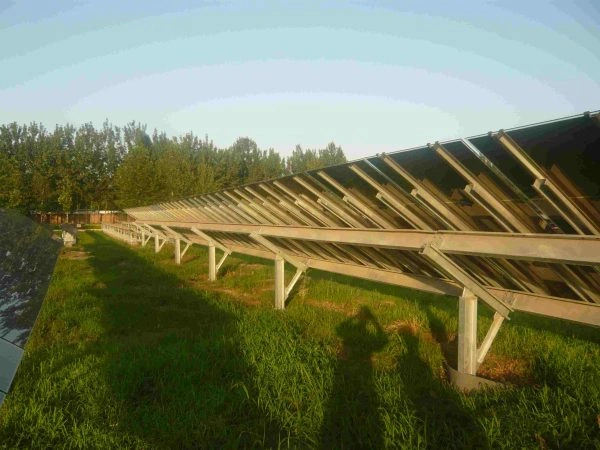
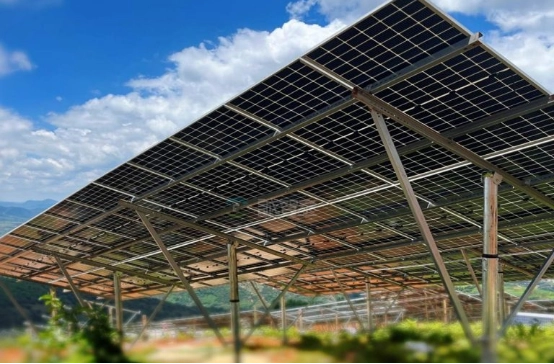
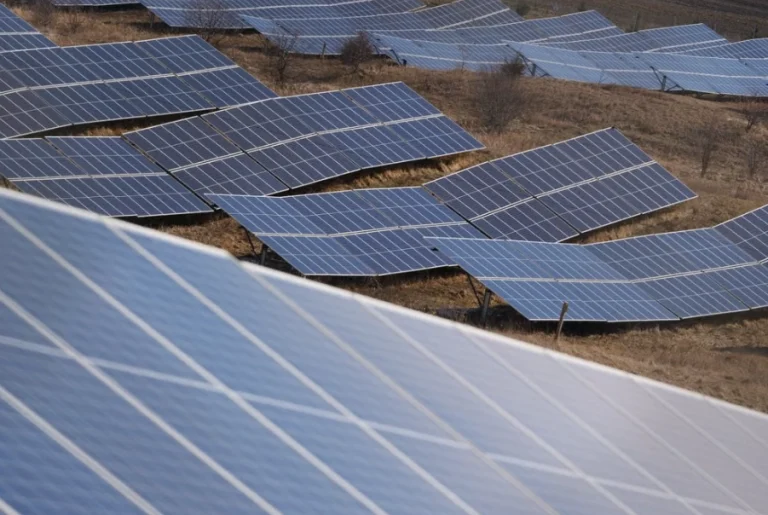
アット CZTソーラー, we hold that the frame of a solar site matters as much as the panels. The coming growth phase rests on flexibility. As flat open spaces grow rare, solar work shifts to tough spots. These include deserts, high spots in mountains, and shore areas with salty air. Mounting changes center on parts that fit together and materials that handle rough conditions. They avoid extra weight or expense. By building frames that let air flow to cool panels and adding coatings against rust, we aid the field in extending solar use to new places.

How Do Specialized Mounting Structures Safeguard Utility-Scale Solar Projects?
The built strength of a large-scale project acts as its main shield from the weather. When many panels are spread over a wide area, one weak point can cause a chain of problems. Picking the proper frame shape and material level is more than a build choice. It serves as a core way to cut risks for EPC (Engineering, Procurement, and Construction) teams and site owners.
Defending Against Extreme Weather: The Importance of High-Strength Materials
Harsh weather, like deep snow in cold zones and strong winds in warm areas, happens more often. To fight these, we use strong, cold-shaped steel. It gives a good balance of power and weight.
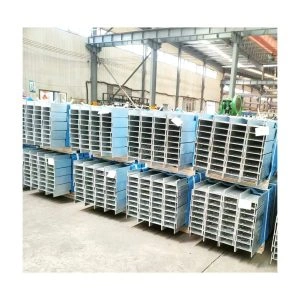
Take our Zスチールチャンネル (Z-Purlin) as an example. We made it for high-pressure spots. Unlike usual shapes, the Z Steel Channel lets parts overlap at holds. This forms a steady beam line. Such a steady flow raises the load holds over long reaches. It fits well for large ground setups in areas with heavy snow or strong winds.
| Feature | Z Steel Channel Advantage | Project Benefit |
| Structural Continuity | Allows for overlapping at support points | Higher resistance to sagging under snow loads |
| Material Grade | High-tensile Q235/Q345 steel | Reduced overall steel tonnage without sacrificing safety |
| Nesting Design | Sections fit into each other for transport | Significant reduction in shipping costs and storage space |
Overcoming Complex Terrain Challenges in Ground-Mounted and C&I Systems
Many current solar sites sit on rough ground or odd Commercial & Industrial (C&I) roofs. These jobs need much adjustment. Our オメガスチールビーム gets picked often for its special top-hat shape. This gives a strong side hold. As a rail or link part, the Omega Steel Beam eases setup on hills. It keeps panels level for even sun catch and cuts stress on the parts inside.
What Are the Key Criteria for Selecting a One-Stop Solar Infrastructure Partner in 2026?
Checking a provider for a big project means seeing past the cost of steel per unit. A real partner offers a mix of making size, build care, and delivery steadiness.
The Importance of Scalable Production Capacity and Strict Quality Control
In B2B solar work, wait time often splits winning from losing fees. We run our plants with a firm 6S system. This covers all steps from the input materials to the end pack. It boosts speed and safety. With over 5,000 tons a month, CZT solar gives the size for huge builds. Yet, we keep close checks so each hole and edge fits right.

How Advanced Fabrication and Reliable PV Welding Technology Ensure Long-Term Durability
A solar frame’s long life, often 25 to 30 years, is tied to joint and link quality. We put much into auto-making steps to cut mistakes. A key part of our build skill is our reliable PV welding technology.
For big runs, we use machine welding. For tricky custom holds, we do careful hand welding. Our reliable PV welding technology makes sure each weld goes deep and even. This stops small breaks and wear from heat shifts over the years. With our laser-cut tools, parts join just right on site. These cuts might harm the rust-proof coat.
Can Streamlined Manufacturing Accelerate Global Solar Deployments?
The extra costs in solar, like setup work and moving, take a large share of budgets now. Making the build process smoother cuts these best.
The Hidden Value of End-to-End In-House Production
At CZT solar, we keep a full in-house loop. We do not just get and sell. We plan the shapes, cut the lines, and bend the cold inside. This full control lets us see the whole chain. If a job needs a change in edge height or hole setup, we do it in our shop right away. No, wait for outside help. This quick shift cuts talk needs and makes sure the end item matches the plan.
Reducing Site Labor and Lead Times Through Pre-Assembly Services
To speed up the worldwide solar rollout more, we give special pre-build help in our 2,000-square-meter pack and check area. A clear case is our Unistrut channel setup. It sees wide use in C&I roof solar and wire holds.
By putting holds together or adding spring nuts to the Unistrut channel before shipment, we let setup teams snap parts in place on site. This cuts work hours per power unit. Jobs start sooner. It also lowers error risks in bad weather.
FAQについて
Q: How to choose the best material for solar mounting structures in coastal areas?
A: For coastal environments with high salinity, it is essential to use materials with superior corrosion resistance. At CZT solar, we recommend hot-dip galvanized steel with a high zinc coating thickness (e.g., 80-120μm) or specialized aluminum alloys. Our C Steel Channel can be customized with these protective finishes to ensure a service life exceeding 25 years, even in salt-mist heavy environments.
Q: Which steel profile provides the highest wind resistance for ground-mounted solar arrays?
A: The Z Steel Channel is widely considered one of the best profiles for high-wind areas. Because the sections can be overlapped at the support posts, they create a continuous structural member that is much stiffer than individual beams. This allows the array to withstand higher wind pressures without bending or vibrating, which could otherwise damage the PV modules.
Q: What factors determine the installation speed of utility-scale solar mounting systems?
A: Installation speed is primarily determined by component precision and pre-assembly. Systems that utilize standardized parts like the Unistrut channel allow for bolt-free or simplified fastening. Furthermore, using factory-punched holes that align perfectly—guaranteed by our CNC laser cutting—prevents time-consuming drilling on-site.
Q: How does cold-formed steel compare to hot-rolled steel in solar applications?
A: Cold-formed steel profiles, such as our C Steel Channel and Z Steel Channel, offer a better strength-to-weight ratio. The cold-forming process increases the yield strength of the steel at the corners, allowing for lighter structures that can carry the same loads as heavier hot-rolled sections. This results in lower material costs and easier handling during installation.
Q: How effective is stainless steel for earthquake resistance in solar mounting systems?
A: Stainless steel exhibits exceptional ductility and high tensile strength, allowing the material to absorb and dissipate seismic energy without fracturing. During a seismic event, mounting structures must flex rather than snap. By incorporating premium stainless steel for earthquake resistance, we at CZT solar ensure that the photovoltaic arrays maintain their structural integrity under extreme ground acceleration, safeguarding the long-term energy investment and preventing system collapse.