

Before you release a field full of foundations for construction, you need to know how the proposed pile behaves in that ground. That’s the point of solar pile load testing. We want to see the load it carried and the movement recorded along the way. A peak load on a test sheet only answers part of that.
Picture a trial pile beside the access track. It goes in cleanly. The pull test looks good. Across the field, though, the next block crosses an old filled ditch. Would you build both areas from that single result? We wouldn’t. The test needs to represent the ground you’re building on, as well as the steel going into it.
Which Loads Should a Solar Pile Test Cover?
Wind can pull a solar foundation upward or push it sideways. The array’s weight acts downward, with snow adding another downward load where relevant. Testing in just one direction leaves you with a fairly narrow view of the foundation.
Pull-out testing is the upward check. To find out what happens under a sideways push, you need a lateral test; for downward loading and settlement, it’s compression. Ask the foundation designer to connect the proposed tests to the loads used in the design. That connection should be clear on paper.
Before the crew starts, agree on what counts as a pass. How far can the pile move at the required load? How long must each step be held? Otherwise, two people can watch the same pile and disagree about the result.
“It didn’t come out” wouldn’t reassure us. The rack above it still has to work with whatever movement the test allows.
Where Should You Place the Test Piles?
Choose locations from the ground investigation and proposed array layout. It’s tempting to keep the rig beside the access track. That saves moving it around, but you may be testing the easiest corner of the site over and over.
Say your survey puts the upper rows on firm ground, with softer material beside the channel below. Which of those rows does the trial actually represent? A good ridge result doesn’t answer for the lower area. Nor does a tidy grass surface tell you much about old fill underneath it.
Map those changes in soil conditions before agreeing on test positions. Keep each result attached to its location and installation record.
There isn’t a useful universal rule of one test per fixed number of megawatts. A large uniform field and a smaller site cut by buried channels present different sampling problems. The geotechnical team should explain what each chosen test location represents—and where the remaining uncertainty sits.
How Closely Must Test Piles Match Construction?
Have the drawing open when you read the test record. It’s surprisingly easy to discuss a result without noticing that the tested pile or its loading arrangement differs from the proposed work.
Match the Pile and Installation Method
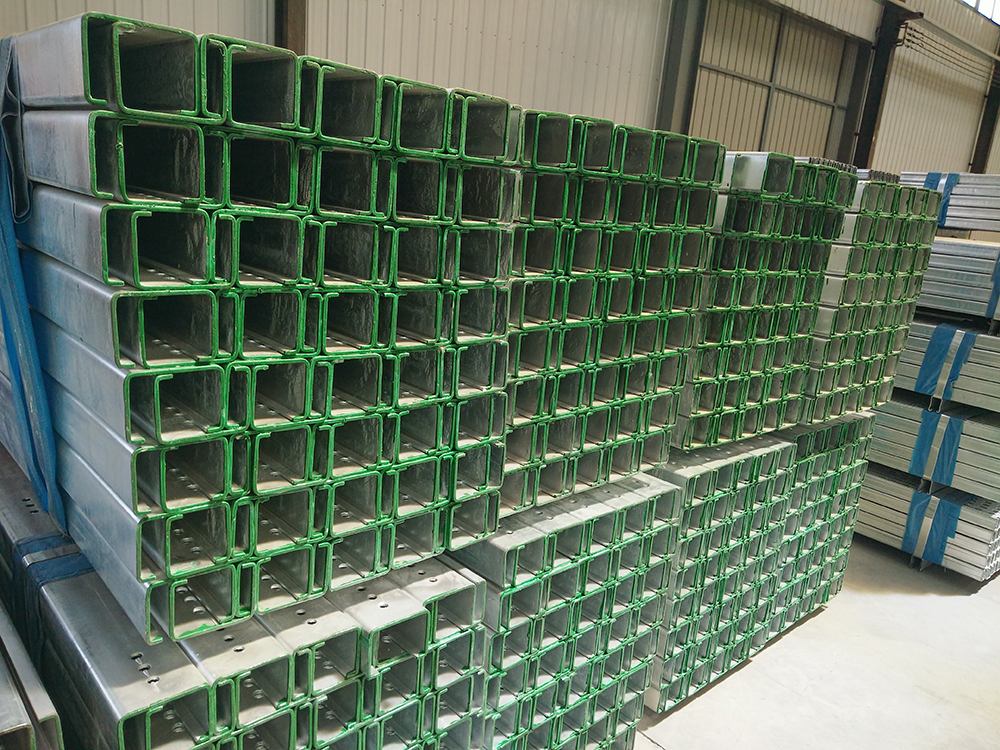
If the layout uses C-type piles, test the specified section and embedment. A change in wall thickness or driving method needs review before the earlier results are carried across.
Perhaps the crew had to pre-drill a hole to get one trial pile in. Keep that in the record. You now have an installation that differs from straightforward driving, and the surrounding soil has been disturbed differently. Early refusal belongs in the notes too, even if the crew eventually got the pile down.
Check the Height of the Applied Load
Suppose two test sheets both show 5 kN of sideways force. On one test, it was applied 1.0 m above ground; on the other, the attachment was at 1.5 m. Those aren’t equivalent loading arrangements.
Using force × height, the ground-level moments work out to 5 and 7.5 kN·m respectively. The taller setup puts 50% more moment into the pile at ground level, despite the identical force readings. We’d want that difference resolved before comparing the results.
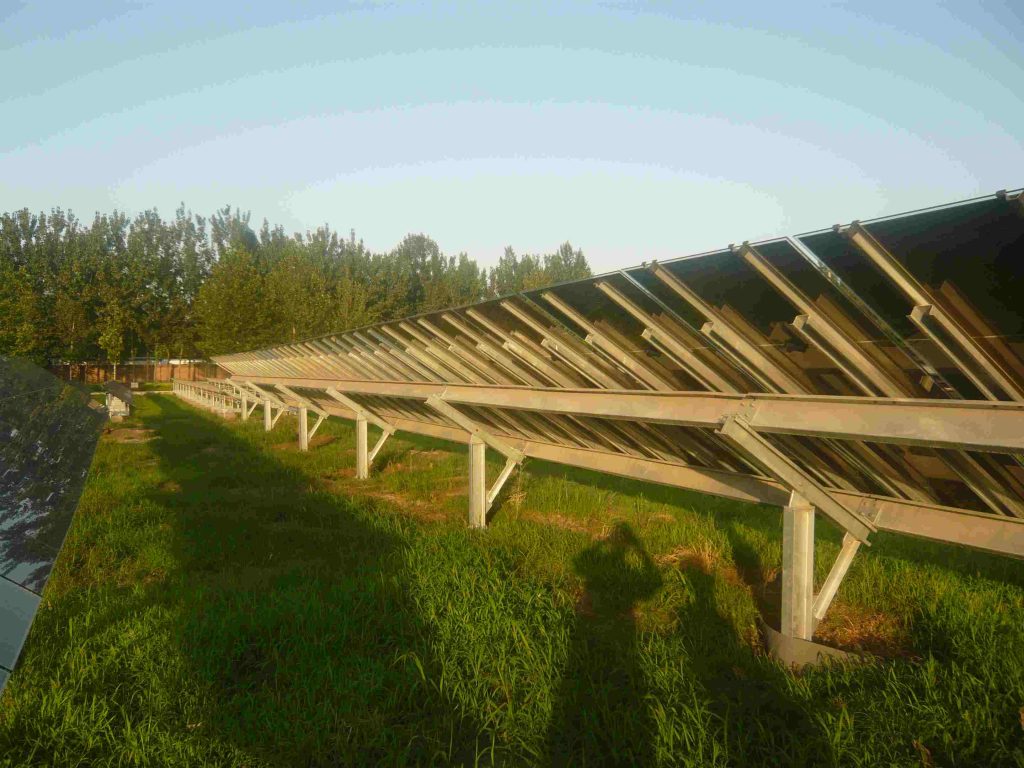
For H-type pile foundations, check where the rack connects to the exposed post before comparing lateral results. Write the test height down. Keep the loading direction and the orientation of the section with it; an unexplained force value leaves too much to guess.
What Does a Useful Pile Load Test Report Tell You?
You need enough information to follow the pile’s response and decide what happens next. A single “pass” box won’t do that job.
Read the Movement Beside the Load
Look at movement through each loading step. Does it settle down during the hold, or keep increasing? What remains after unloading? If the operator wrote down the peak and nothing afterward, you lose the part of the record that tells you whether the movement continued.
The measuring equipment matters here. If its reference support shifts with the test setup, the movement reading becomes questionable. Check that the report identifies the measurement arrangement and equipment calibration.
Use the approved limits for this foundation and mounting structure. Borrowing a displacement limit from another solar farm makes little sense if its support geometry is different.
Keep Weak Results on the Site Map
Suppose most trial piles perform well but two near the drainage channel move too far. Don’t average those results into a comfortable site-wide number. Find out whether they mark a distinct ground zone or a problem with installation or testing.
That answer changes the response. One zone might need greater embedment. Another may need a different foundation detail and further testing. Making every pile longer before understanding the weak results can add steel without resolving the cause.
Keep revised details beside the test locations. Otherwise, someone on the piling rig is left asking which row starts the new detail.
What Should You Share Before Finalizing the Pile Layout?
Put the test-location map next to the proposed support layout. Add the pile dimensions and embedment records. A photo of the setup can help, though it doesn’t replace the recorded dimensions or loading direction.
If a change to the foundation affects the rack connection, send us the test results with that detail marked on the drawing. Include any unresolved ground zones. That gives us a specific connection to discuss while there’s still room to adjust the layout.
FAQ
Does a Pull-Out Test Cover Every Pile Load?
No. The pull-out result concerns upward loading. For example, it won’t settle a question about sideways movement at a tracker support. If that’s the concern in your design, ask for the relevant lateral evidence rather than another copy of the pull-out certificate.
Does Installation Refusal Mean a Pile Has Passed?
No. Think about a post stopped short by a buried boulder: hard to drive, certainly, but its usable resistance is still unresolved. Note the depth where it stopped. The designer needs that installation record to decide what investigation or changed detail comes next.
When Should the Piles Be Tested After Installation?
Ask for the waiting period when the test programme is agreed. Some soils gain resistance after driving; in others the response can develop differently. There’s no single delay to copy across every site. Dates and times on the installation record let the reviewer interpret the test properly.
Do Test Piles Have to Be Pulled to Failure?
Not always. Finding the limiting resistance is one purpose for a trial. Confirming that an installed pile meets a specified test requirement is another. Make that distinction before loading starts. Also decide whether the test pile is sacrificial or can be retained after its condition is reviewed.





 French
 English
 Japanese
 Korean
 Spanish
 Arabic
 Russian
 Thai