

Solar mounting structures must withstand wind, snow, and corrosion for more than 25 years. Achieving a perfect weld in PV structures is essential to ensure structural safety and long-term reliability.
Key Factors for a Perfect Weld in PV Structures
Several critical factors determine the quality and durability of PV structure welds:
- Proper steel material selection (Q235, Q345, ZAM steel)
- Correct welding heat input and penetration
- Qualified welding procedures (WPS)
- Certified welders and automated welding systems
- Non-destructive testing (UT / PT)
- Effective post-weld corrosion protection
The following sections explain each of these factors in detail and how they contribute to achieving a perfect weld in PV structures.
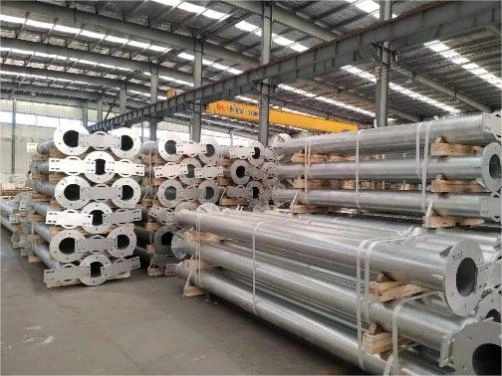
Why a Perfect Weld in PV Structures Determines a 25-Year Lifespan?
The Hidden Risks of Weld Failures in Solar Farms
In large solar projects, EPC contractors often focus on photovoltaic panel output. They sometimes ignore the basic support: the structure welds. Solar mounting systems face tough outdoor conditions all the time, which makes solar mounting structure welding a critical factor in long-term reliability. Small defects in PV mounting frame welding, such as porosity, lack of fusion, or micro-cracks, might not show at first. But moisture and oxygen will enter these small gaps. That starts inner rust. Over the years, This rust gradually builds internal stress in solar support structure welding joints. It can cause big array falls. A perfect weld in PV structures does more than simply connect metal components. It acts as the main safeguard for the long-term security of a solar setup.
How Extreme Wind and Snow Loads Test Welding Integrity
Solar farms often sit in wide open fields, coastal spots, or high mountain zones. So, mounting structures need to handle strong weather forces. These include wind speeds up to 216 km/h and snow weights up to 1.4 kn/m². The makeup of the base metal sets the level of difficulty in PV structure welding and determines the final joint strength. If a weld does not go deep enough or has the wrong shape, the joint’s shear and pull strength fall sharply. Careful welding keeps the frame strong against hard weather checks.
How to Optimize Steel Grades and Welding Methods for Solar Mounting?
Material Selection: Q235, Q345, and ZAM Steel Weldability
The makeup of the base metal sets the level of welding difficulty and the final joint power. In building photovoltaic structures, carbon steels like Q235 and Q345 are commonly used for their solid strength and low cost. At the same time, Zinc-Aluminum-Magnesium (ZAM) coated steel grows in use because of its strong self-repair rust protection.
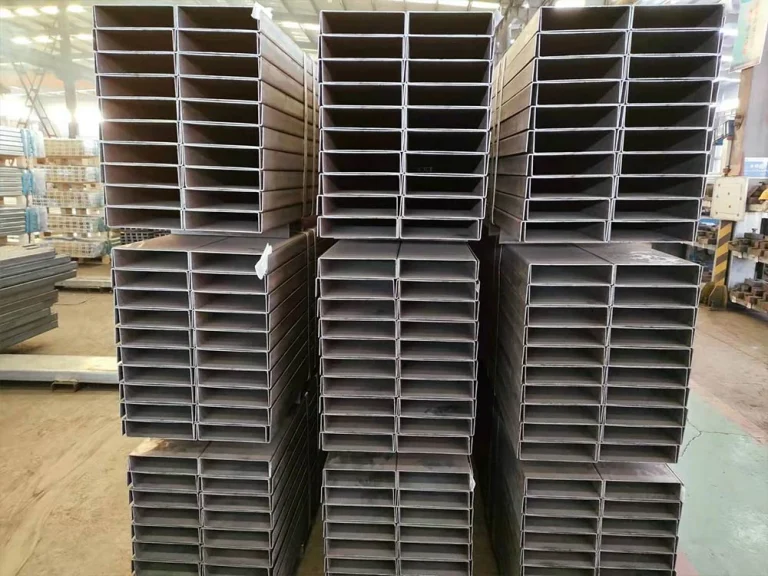
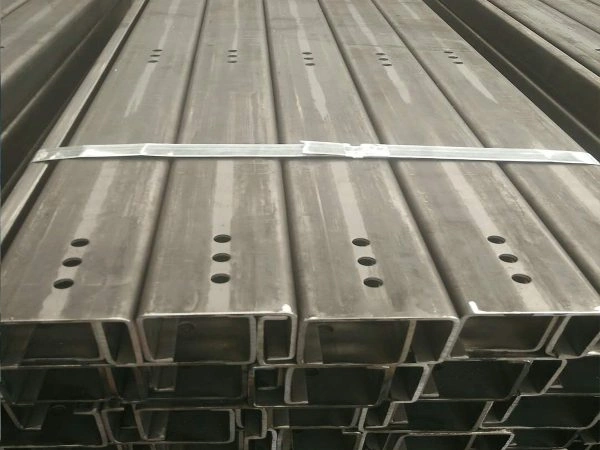
Each steel type has its own carbon level. So, engineers must carefully adjust welding current and heat input during structural welding for solar systems. For instance, when making a Profilé en acier C—a useful part often used for roof supports and ground setups—controlling heat is key. A typical C Steel Channel offers good strength for its weight. It usually has a thickness from 1.5mm to 4.0mm. Its light build makes setup simple and cuts material needs. However, welding this thin cold-formed steel calls for exact settings. That avoids burn-through or heat warping. In the end, the structure’s strength remains full.
Automated vs. Manual Welding Processes
Advantages of Machine Welding for Standardized Parts
In big solar builds, steady work matters most. Automated MIG (Metal Inert Gas) or MAG (Metal Active Gas) systems run at fixed speeds. They keep the wire feed even and the arc path true. When making many of the same support arms or base parts, machine welding cuts out worker fatigue. It ensures an even weld look and raises output speed a lot.
The Importance of Manual Welding for Complex Custom Nodes
Automation leads in large runs. Yet, skilled manual welders remain essential in PV mounting frame welding, especially for complex structural nodes. In cases of custom spots with forces from many sides or special angle parts, hand TIG (Tungsten Inert Gas) or guided manual MIG welding helps. The worker can change the torch angle as the weld pool acts in real time. This approach makes sure the joint fills completely in tight spots.
Many PV mounting structures also use prefabricated welded components such as brackets and structural connectors to simplify installation and ensure consistent structural strength. CZT solar offers custom pièces de soudage manufactured with precision welding and corrosion-resistant treatments.
What Are the Essential QC Standards for PV Structure Fabrication?
Global Compliance: Navigating AWS, ISO 3834, and EN 1090
Top-tier welding must be backed by rigorous international frameworks. For global developers, regulatory compliance is non-negotiable.
- AWS (American Welding Society): Ensures that Welding Procedure Specifications (WPS) and welder qualifications meet strict structural codes.
- ISO 3834: Provides a comprehensive quality requirement system specifically tailored for the fusion welding of metallic materials.
- EN 1090: Acts as the mandatory certification cornerstone for structural steel components entering the European market.
Defect Prevention via Non-Destructive Testing (NDT)
Ultrasonic Testing (UT) for Internal Flaws
In solar mounting structure welding, a reliable weld must be free of internal defects. Ultrasonic Testing sends high-speed sound waves through the steel. It spots hidden inner issues like deep slag pockets, porosity, or lack of fusion. Best of all, it does this without harm to the built part.
Dye Penetrant Testing (PT) for Surface Cracks
For outer checks, Dye Penetrant Testing works well. Workers put a strong red dye on the weld line. Then they add a developer. This mix shows any small surface breaks or open holes clearly. Those would stay hidden otherwise. Thus, the link point ends up clean.
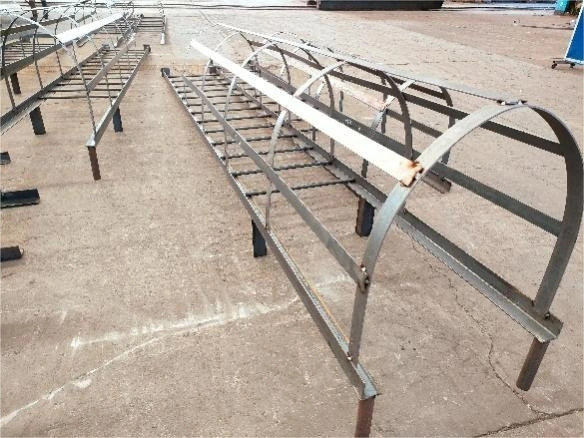
How to Prevent Post-Weld Corrosion in Harsh Environments?
The Critical Step of Pre-Coating Sandblasting
During PV structure welding, high temperatures often remove the steel’s original protective coating. It also leaves slag and rust scales. Putting rust guards right over these messes leads to quick layer breakdown. So, sandblasting after welding is required. It clears all surface dirt fully. Plus, it makes the right roughness for better hold of later protective coats.
Hot-Dip Galvanizing (HDG) and Advanced Surface Treatments
After sandblasting, Hot-Dip Galvanizing (HDG) gives the best shield for solar mounts. Dipping the welded steel in hot zinc creates a thick, bonded layer. For jobs needing a certain look or extra chemical guard, powder coating, or special passivation can follow. These protect against salt mist, high dampness, and strong UV light.
Why Do Global EPCs Trust CZT Solar for Custom PV Fabrications?
High-Capacity OEM Welding Solutions in Workshop 3
À CZT solaire, we know a good weld needs skill and a strong setup. In our Workshop 3, we run a setup with machine welding lines and fine manual stations. If a job requires lots of standard parts or detailed custom builds, we pick the best welding method for the product’s needs. Our 28,000-square-meter site has full CNC cutting and bending tools. We handle complete OEM builds from start to end.
Strict Quality Control and International Engineering Support
We build quality checks into each step of the process. This covers NDT scans to size checks. Also, we use our 2,000-square-meter Workshop 5 for final packing, close inspections, and key pre-build steps. Our global service group teams up with clients worldwide. We offer custom engineering fixes and make sure every made-to-order PV structure arrives on schedule and holds up well.
FAQ
Q: What are the primary welding standards required for solar mounting structures?
A: Key global guidelines cover AWS from the American Welding Society. They also include EN 1090 for European structural steel fabrication. Another one is ISO 3834 for fusion welding quality requirements. Following these firm rules helps secure structural safety. It also supports load-bearing steadiness. Plus, it meets legal needs for large-scale renewable energy projects around the world.
Q: How can inspectors verify the internal welding quality of photovoltaic mounting frames?
A: Skilled makers use Non-Destructive Testing (NDT) methods to confirm soundness. Ultrasonic Testing (UT) comes into play for this. It checks far inside the metal frame. Sound waves help find concealed inner issues like porosity or slag inclusions. And it does so without harm or damage to the actual parts.
Q: Why is surface treatment absolutely necessary after welding a solar structure?
A: Welding creates intense heat. This heat strips the metal’s local shield layers. It leaves open spots with weak rust buildup. So, workers must sandblast the welded areas. Then, they apply Hot-Dip Galvanizing (HDG) or powder coating. These steps seal the metal tight. They stop fast rust and decay in rough outdoor settings.
Q: What technical precautions are needed when welding cold-formed steel materials?
A: Cold-formed parts often have slimmer material thickness. This usually falls between 1.5mm and 4.0mm. Operators need to adjust the power current with care. They also set the movement pace right. Overall, heat must stay in check, too. These steps avoid metal burn-through. They prevent heavy heat bending as well. In turn, exact shape limits hold steady.
Q: Is automated machine welding always superior to manual welding in solar fabrications?
A: No, it does not fit every case. Automated machine welding shines for large batches of uniform parts. It delivers even size accuracy and a quick pace. Yet, well-prepared certified hand welders play a key role. They handle tricky multi-sided custom joints. These require on-the-spot torch changes. That ensures the full joint fills properly.




 French
  English
  Japanese
  Korean
  Spanish
  Arabic
  Russian
  Thai
Thai