

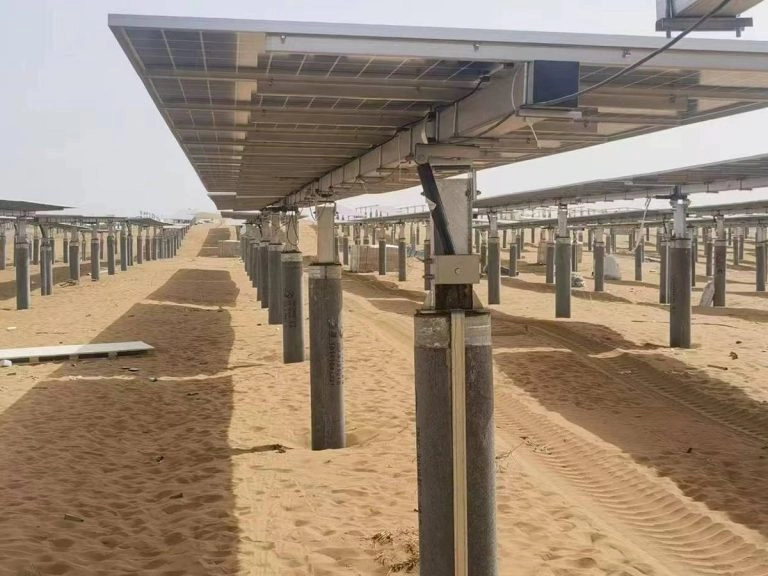
High-wind locations are never exactly the same. Every specific site features its own distinct pattern. Gusts are formed by the local terrain, shifting temperature gradients, and nearby physical obstacles. Setting up a solar mounting system in these tough areas relies less on strict standardization. Instead, it requires careful adaptation. The main challenge for an engineer is figuring out how unseen air currents transform into measurable physical forces.
What Makes High-Wind Areas Unique for Solar Installations?
Roof-mounted systems frequently face edge effects. In these spots, the wind speeds up rapidly. This creates strong uplift forces on the solar panels. Ground-mounted systems, however, have to deal with intense shear forces. These forces spread heavily across the rows of modules.
When strong wind flows over solar modules, it does not merely push against them. It also pulls them forcefully upward. This powerful uplift force can severely damage module integrity. It must be properly controlled through smart aerodynamic design and very secure anchoring.
How Wind Load Affects Solar Mounting Systems
Every solar mounting system has to convert intense wind pressure into safe, manageable loads. These loads are then spread out across the metal channels, secure clamps, and solid foundations. The specific material choice is crucial. Options include light aluminum alloys or tough high-strength steels. This choice decides how well those heavy loads are absorbed. Good materials prevent unwanted bending or structural fatigue. Weak anchoring leads to tiny micro-movements. These small shifts build up over a long time. Eventually, they cause loose bolts or damaged metal connections.
Key Factors to Consider When Choosing a Solar Mounting System
It is truly about finding a smart balance. You must weigh the overall weight, total cost, strong corrosion resistance, and simple ease of installation.
Evaluating Structural Strength and Material Durability
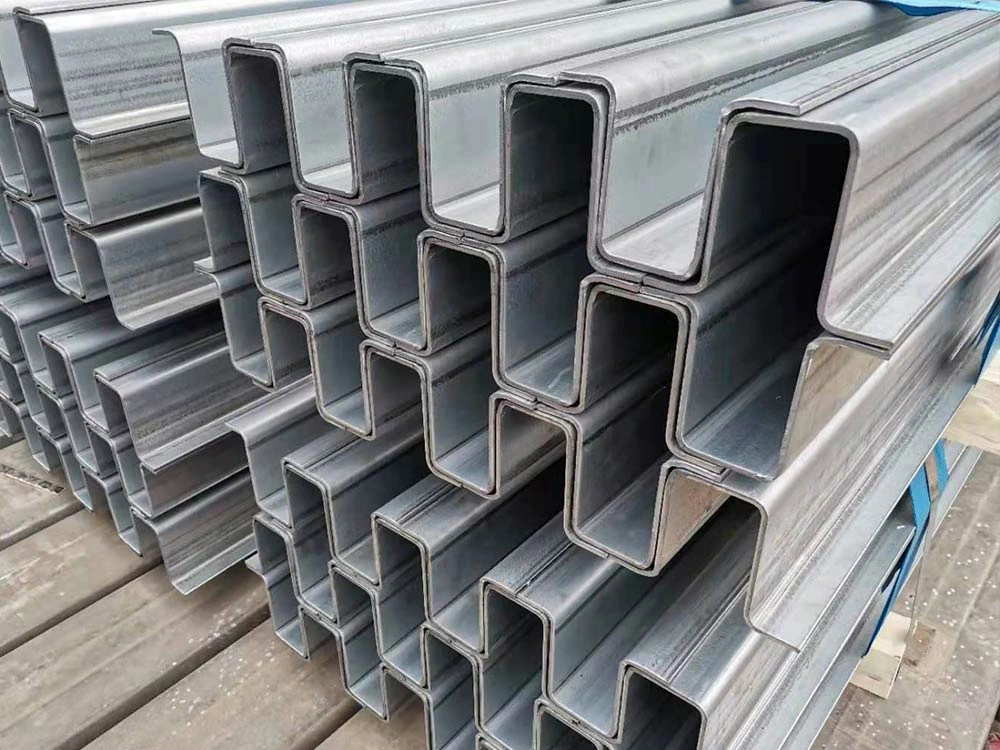
Standard carbon steel provides excellent tensile strength. However, it needs a good surface coating to stop rust in wet or salty coastal climates. Zn-Al-Mg coated steel delivers superior long-term corrosion resistance. It uses much thinner layers of protection. This makes it perfect for storm-heavy areas where salty sea spray speeds up metal decay. Special anti-corrosion coatings greatly extend the useful lifespan in coastal or stormy locations. They stop harmful rust at the weld spots and all cut edges.
In actual field use, strongly reinforced joints and much thicker rails usually matter more than just the base material type. These specific features supply essential stiffness against wind-caused bending. Without them, bending could easily spread tiny cracks throughout the whole racking assembly.
Why Aerodynamic Design Matters in High-Wind Conditions
Good aerodynamics clearly determine survival in very windy installations. Low-profile racking setups successfully lower dangerous uplift forces. They do this by reducing the empty air gaps right beneath the solar panels. This smart idea is taken from airplane wing design. However, it is flipped upside down to create solid stability instead of upward flight lift. Changing the tilt angles helps find a good middle ground between high energy production and tough structural strength. Steeper angles definitely catch a lot more sunlight. Yet, they also catch a lot more heavy wind.
Smooth, streamlined designs direct the flowing air easily over the whole array. This stops messy, turbulent air swirls from building up behind the flat modules. This careful shaping can drop the actual wind pressure by large double-digit amounts. At the same time, it keeps the required energy production levels high.
Assessing Foundation Options for Ground-Mounted Systems
The solid foundation is where engineering plans meet the actual dirt. Deep driven piles work very well in thick, dense soils. In these soils, pushing them in is simple, and side-to-side holding strength is excellent. Strong screw foundations work much better in soft or very sandy ground. There, holding power has to come from the tight thread friction instead of just going deep. Heavy ballast systems use big concrete blocks or heavy precast weights. They are perfect for rocky sites where deep digging is impossible. They also work well where strict environmental rules stop normal digging.
Checking the exact soil density is absolutely necessary before picking any final foundation type. It shows exactly how much heavy weight the dirt can safely hold during huge wind storms. Smart, flexible foundation designs permit minor angle changes over bumpy, uneven ground. They do this without losing straight alignment or tough mechanical strength.
Practical Questions Buyers Should Ask Before Selection
Careful checking must start long before any purchase orders are officially signed.
How to Evaluate a Supplier’s Engineering Capabilities?
A trustworthy supplier needs to hand over real, verified wind tunnel testing data. This clear data shows exactly how their sistema de montaje solar holds up under fake, extreme storm conditions. Detailed structural math checked by outside, independent engineers gives extra peace of mind. It proves that the paper numbers match the real-world physical results. Custom design choices are very important too. This is especially true when local building laws or strange land shapes need special, tailored setups instead of plain standard parts.
What Maintenance Requirements Should You Expect?
Constant high-wind exposure speeds up normal wear and tear, even on very tough systems. Setting up regular checking routines helps spot early warning signs of metal fatigue. You can find these problems at the joints and metal fasteners long before a big break happens. Regular, scheduled bolt tightening stops shaking from causing loose parts during the bad storm seasons. At the same time, careful rust checks make sure the protective surface layers stay whole after many long years outside.
Smart modular system designs make replacing parts much easier when real damage finally happens. Changing out one single metal beam or broken clamp should never force you to take apart a whole long row of expensive panels.
Partnering with CZT Solar
Right behind every solid, dependable installation is a smart engineering team. They fully understand both complex physics and hard field labor. Top professional manufacturers do not merely hand over metal hardware. They offer deep knowledge throughout the entire project build. This covers everything from the first site check to the last heavy load test and final improvement plans. Their helpful advice lowers serious installation dangers. They make sure every single part works safely together under the heavy stress conditions found in windy zones.
CZT Solar supplies expertly engineered solar mounting systems that are fully tested for harsh high-wind areas. The company hands over complete technical paperwork, helpful custom choices, and direct on-site support. Partner with CZT Solar for superior long-term system performance assurance.
Preguntas frecuentes
Q1: What is the most critical factor when installing solar mounting systems in windy areas?
Using very secure anchoring mixed with smart aerodynamic design is the biggest key to stopping bad uplift breaks.
Q2: How often should maintenance be performed?
You should check them at least two times a year. Also, do extra safety checks right after huge storms to check tight bolts and good coating health.
Q3: Are low-tilt arrays always better for wind resistance?
Not always. They do lower the bad uplift forces, but they might drop the total energy made. This depends on your exact map location and local sun shadows.
Q4: Can existing installations be retrofitted for higher wind tolerance?
Yes, they certainly can. You can use special upgrade kits that add extra strong bracing parts or better, tougher fasteners made for heavier wind loads.





 Spanish
  English
  Japanese
  Korean
  Arabic
  Russian
  French
  Thai
Thai