

Why Upgrade to Stainless Steel for Earthquake Resistance in 2026?
The Hidden Weaknesses of Aging Carbon Steel Structures
For many years, common carbon steel has served as the main framework for industrial buildings and support structures. Yet, experts who check older setups are finding a major problem: yield fatigue. With time, ongoing weather pressure and small shakes lead to wear in regular carbon materials. If an earthquake hits, these tiny cracks spread quickly. A building that passed safety rules two decades back might now risk sudden breaking under side-to-side quake forces.
How New Global Seismic Codes are Changing Material Standards
As we head toward 2026, worldwide building rules are shifting their main goal. They now aim for quick use and fast fixes after quakes, rather than just avoiding total falls. Officials require materials that endure several earthquakes without full rebuilds. Because of this change in rules, using stainless steel for earthquake resistance becomes more than a choice for engineers. It turns into a must-follow rule for areas with high earthquake risks.
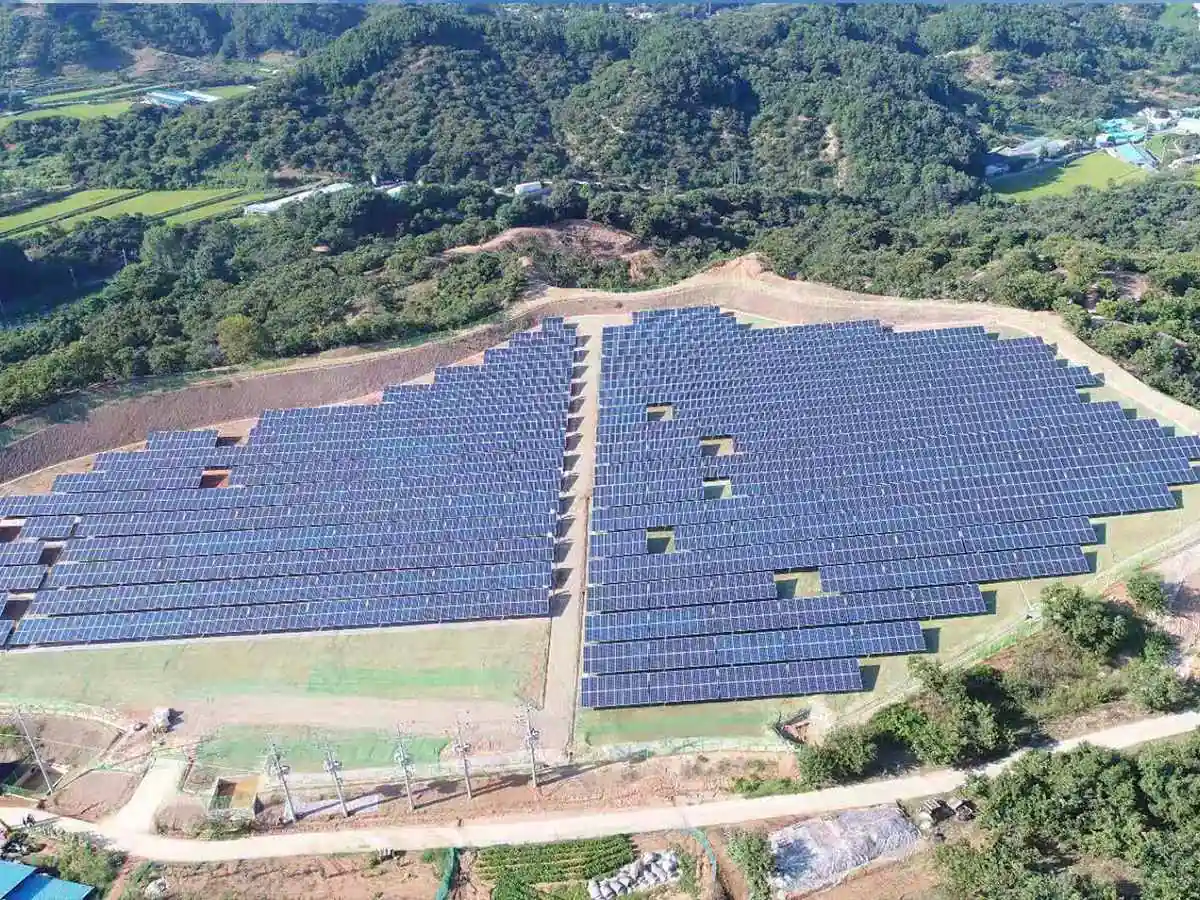
Seismic Performance Comparison: Can Your Structure Survive a Major Earthquake?
Ductility Breakdown: How Carbon Steel Handles Seismic Waves
Ductility means a material can bend a lot before it breaks. Standard carbon steel has enough starting strength. However, its ductility falls a lot under fast, repeating loads. These are the very conditions during an earthquake. When it goes past its yield point in strong quake waves, carbon steel often bends out of shape or breaks. As a result, it puts huge stress on the other parts of the building.
Energy Dissipation: The Superiority of Stainless Steel
The makeup of austenitic and duplex alloys provides great work-hardening traits. So, stainless steel for earthquake resistance does not break suddenly. Instead, it bends and takes in large amounts of movement energy safely. It spreads out quake impacts through steady bending. This keeps the main structure whole.
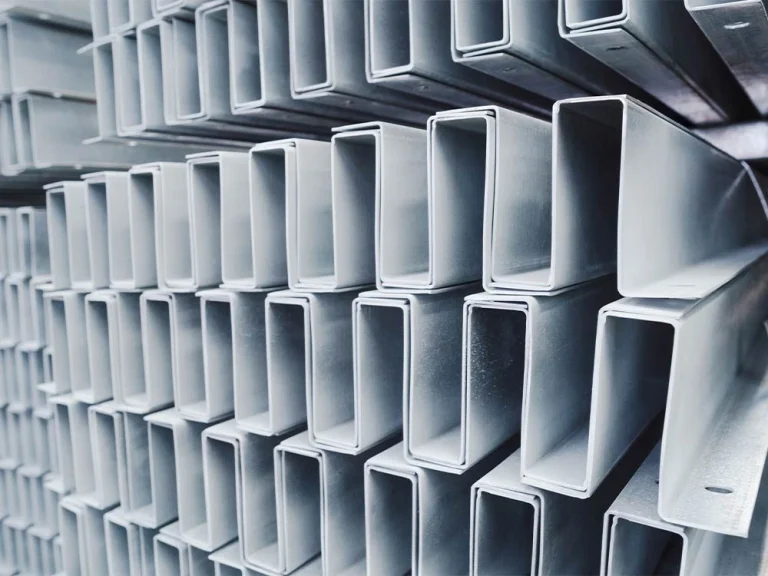
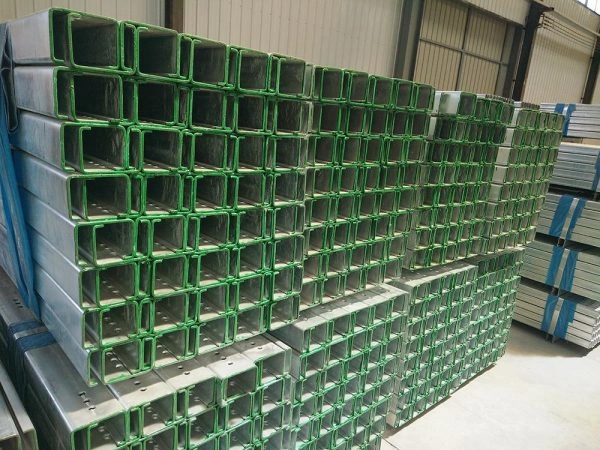
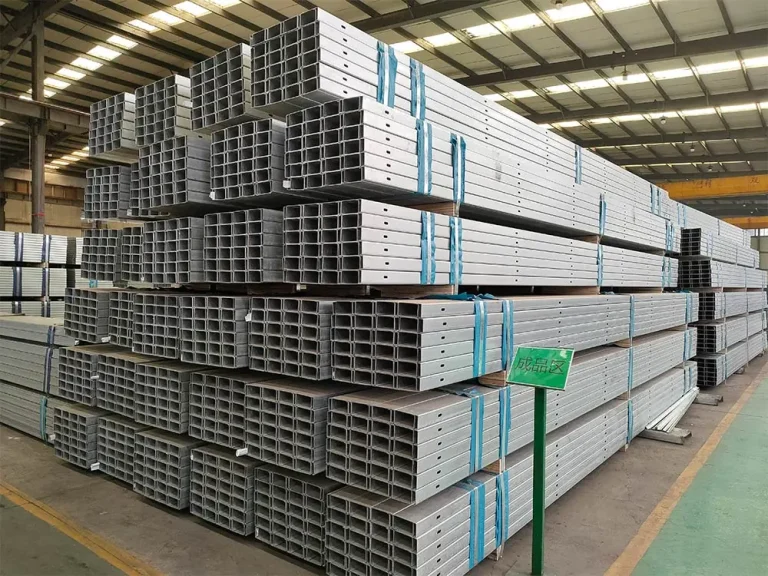
To help with these tough uses, we make C-Shaped Steel (C-Purlin / C-Channel). Put simply, this is a shaped beam formed from cold metal. It looks like a “C” and gives strong backing for walls, roof supports, and solar panel setups. When we build it from top-quality stainless steel, our C-Shaped Steel gives an outstanding strength-to-weight balance. It offers great support while keeping the building’s total weight down. This is key to reducing quake forces.
2026 Cost Analysis: Are You Losing Money on Structural Maintenance?
Upfront Material Costs: Carbon Steel’s Short-Term Advantage
Everyone in the field knows that basic carbon steel costs less to buy than top stainless types. For managers with tight short-term budgets, this lower starting price often decides the pick. But basing choices only on first costs overlooks the later bills in quake-prone building work.
Total Cost of Ownership (TCO) over a 50-Year Lifespan
To judge the real money effect of a building material, Total Cost of Ownership (TCO) shows a much clearer view.
| Cost Factor | Carbon Steel | Stainless Steel for Earthquake Resistance |
| Initial Procurement | Low | Moderate to High |
| Surface Treatments | Requires constant galvanizing and painting | None required (naturally resistant) |
| Post-Earthquake Repair | High probability of buckling and replacement | High probability of shape retention |
| 50-Year TCO | Very High (due to maintenance & downtime) | Low (install and forget) |
For steady support setups on a whole site, we create the Unistrut channel. This is a standard, simple-to-put-together metal frame system. It holds pipes, wires, and machine parts firmly to ceilings or walls. While usual coated channels need regular checks and swaps after small quakes, our stainless steel Unistrut Channel Steel ensures lasting steadiness. It fits well with bolted or welded parts. Thus, it cuts down on work and upkeep costs over a 50-year period.
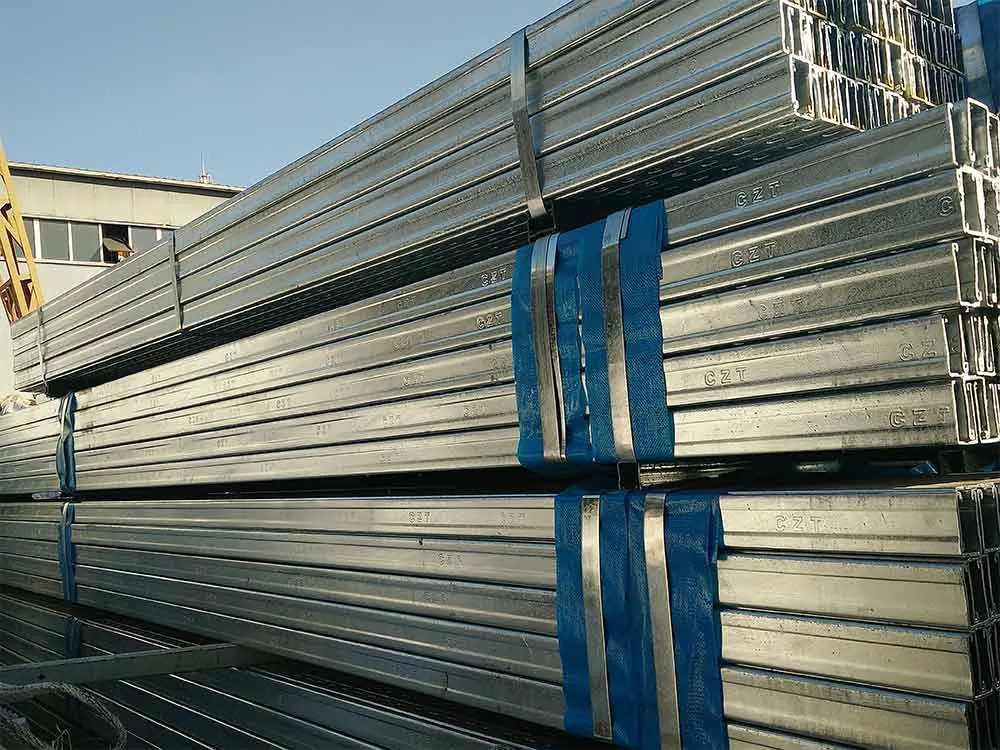
The Corrosion Threat: When Earthquakes Meet Harsh Environments
How Rust Rapidly Weakens Carbon Steel’s Seismic Integrity
Quakes do not strike alone. They often hit coastal areas or factory spots with lots of dampness and chemical air. When carbon steel gets rusty, it loses its thickness. A support that drops just 10% of its size to rust can lose more than 30% of its quake-holding power. During an earthquake, this weakened, corroded part becomes the first spot to fail.
Austenitic and Duplex Stainless Steels as Long-Term Solutions
The chromium in fine stainless types builds a thin, fixing oxide shield that stops rust fully. By choosing austenitic or duplex stainless steel for earthquake resistance, experts make sure the material keeps its full starting strength and bendability. This holds true years after setup, no matter the sea air or factory dirt.
How to Select the Safest Materials for High-Risk Zones
Budget-Friendly Scenarios Where Carbon Steel is Still Acceptable
For jobs deep inside land, in dry areas with no past quakes, properly coated carbon steel works well for extra frames or basic storage units.
Critical Infrastructure Demanding Immediate Stainless Steel Upgrades
Places like hospitals, chemical sites, tall solar setups, and emergency hubs cannot handle building stoppages. In these risky cases, switching to top quake-proof materials is required. This helps avoid major follow-up problems.
Ensuring Compliance and Quality Sourcing with CZT Solar
At CZT solar, we know that strong buildings start in the factory. We run a large plant with 15 punching lines. This lets us reach a monthly output of 5,000 tons. Our site uses the 6S management system to ensure perfect work.
When your work needs special, made-to-order links to hold a quake framework, we offer detailed OEM Laser Cutting Parts. With our 2 laser cutters, 1 plasma cutter, and 3 bending machines, we can shape metal links from iron, steel, aluminum, or stainless steel. These range from 0.1 to 10mm thick. We build exact molds based on your engineering plans. So, every holder and plate matches perfectly and works well under quake pressure.
FAQ
Q: Why is stainless steel for earthquake resistance considered superior in energy dissipation compared to traditional materials?
A: Stainless steel has a special work-hardening skill and better bendability. In a quake, it takes in movement energy by bending and changing shape without breaking. On the other hand, usual carbon materials often face sudden breaks under the same repeating stress.
Q: Does the high initial cost of stainless steel for earthquake resistance justify its use in commercial building frameworks?
A: Yes. The starting material price is higher. But it needs no coating fixes, no rust swaps, and few quake-after repairs. This brings down the Total Cost of Ownership a lot over a 50-year span.
Q: How does environmental corrosion affect the performance of stainless steel for earthquake resistance?
A: It hardly affects it at all in normal settings. The built-in chromium oxide shield stops rust from reducing the size. Thus, the build keeps its first quake-holding strength even in tough sea or factory spots.
Q: Can engineers integrate components made of stainless steel for earthquake resistance into existing carbon steel frameworks?
A: Yes, but it needs careful planning. To stop metal-eating reactions where the two types touch, use separator items like special seals or non-metal covers at the join spots.
Q: What specific grades of stainless steel for earthquake resistance are recommended for heavy-duty structural supports?
A: For basic quake backing, austenitic types like 304 and 316 work great because of their strong bendability. For jobs needing top strength and full rust protection, duplex types are the best pick.




 English
  Japanese
  Korean
  Spanish
  Arabic
  Russian
  French
  Thai
Thai