

ทำไมต้องปรับปรุงเป็นสแตนเลสเพื่อความต้านทานแผ่นดินไหวในปี 2026?
ความอ่อนแอที่ซ่อนอยู่ของโครงสร้างเหล็กคาร์บอนแก่
เป็นเวลาหลายปี เหล็กคาร์บอนทั่วไปได้เป็นกรอบหลักสําหรับอาคารอุตสาหกรรมและโครงสร้างสนับสนุน อย่างไรก็ตาม ผู้เชี่ยวชาญที่ตรวจสอบการตั้งค่าเก่า กําลังพบปัญหาที่สำคัญ คือความเหมื่อยล้าในการผลิต เมื่อเวลาผ่านไป ความดันสภาพอากาศที่ต่อเนื่อง และการสั่นเล็ก ๆ นําไปสู่การสึกหรอในวัสดุคาร์บอนปกติ ถ้าแผ่นดินไหว รอยแตกเล็ก ๆ นี้จะแพร่กระจายอย่างรวดเร็ว อาคารที่ผ่านกฎความปลอดภัยเมื่อสองทศวรรษที่แล้ว ตอนนี้อาจมีความเสี่ยงที่จะแตกอย่างฉับพลัน ภายใต้แรงไหว
รหัสแผ่นดินไหวโลกใหม่กําลังเปลี่ยนมาตรฐานวัสดุอย่างไร
เมื่อเรากำลังมาไปยังปี 2026 กฎการก่อสร้างทั่วโลก กําลังเปลี่ยนเป้าหมายหลักของพวกเขา ตอนนี้พวกเขามุ่งมั่นในการใช้งานอย่างรวดเร็ว และการแก้ไขอย่างรวดเร็วหลังจากแผ่นดินไหว แทนที่จะหลีกเลี่ยงการตกทั้งหมด เจ้าหน้าที่ต้องการวัสดุที่ทนต่อแผ่นดินไหวหลายครั้ง โดยไม่ต้องสร้างใหม่อย่างเต็มที่ เนื่องจากการเปลี่ยนแปลงของกฎนี้ การใช้สแตนเลสเพื่อความต้านทานแผ่นดินไหว กลายเป็นมากกว่าการเลือกสําหรับวิศวกร มันจะเป็นกฎที่ต้องปฏิบัติตามสําหรับพื้นที่ที่มีความเสี่ยงดินไหวสูง
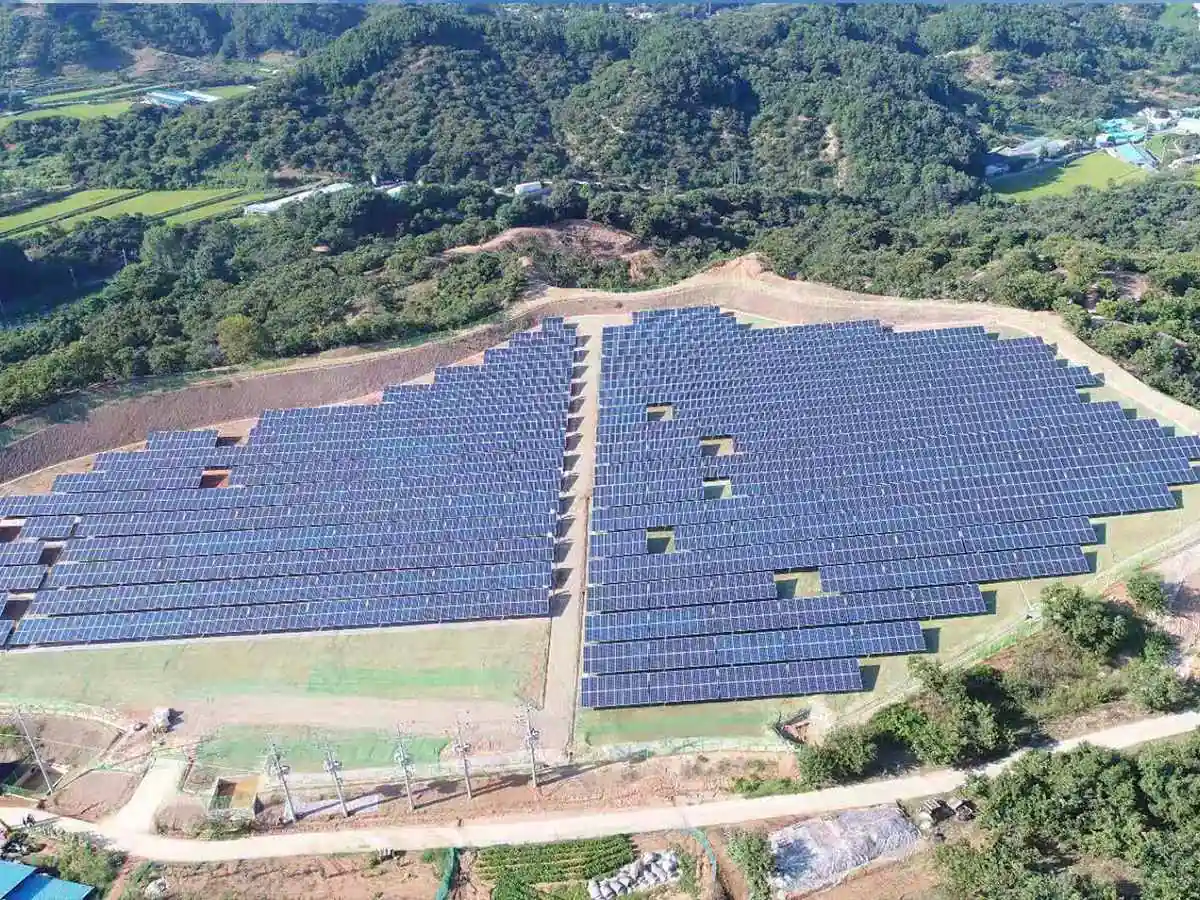
การเปรียบเทียบประสิทธิภาพการแผ่นดินไหว: โครงสร้างของคุณสามารถรอดชีวิตจากแผ่นดินไหวใหญ่ได้หรือไม่?
ความยืดหยุ่น: เหล็กคาร์บอนจัดการคลื่นแผ่นดินไหว
ความยืดหมายความว่าวัสดุสามารถดัดได้มากก่อนที่จะแตก เหล็กคาร์บอนมาตรฐานมีความแข็งแรงเริ่มต้นที่พอ อย่างไรก็ตาม ความยืดหยุ่นของมันลดลงมากภายใต้ภาระที่เร็วและซ้ำซ้ำ นี่คือเงื่อนไขในระหว่างแผ่นดินไหว เมื่อมันผ่านจุดผลิตของมันในคลื่นแผ่นดินไหวที่แข็งแกร่ง เหล็กคาร์บอนมักจะดัดออกจากรูปร่างหรือแตก ผลที่ได้รับ มันทำให้เกิดความเครียดมากในส่วนอื่น ๆ ของอาคาร
การกระจายพลังงาน: ความเหนือกว่าของสแตนเลส
การแต่งหน้าของโลหะผสมออสเตนิติกและดูเพล็กซ์ให้คุณสมบัติในการทำงานที่ดี ดังนั้นสแตนเลสสำหรับความต้านทานแผ่นดินไหว ไม่แตกอย่างฉับพลัน แทนที่จะดัดและใช้พลังงานในการเคลื่อนไหวจำนวนมากอย่างปลอดภัย มันแพร่กระจายผลกระทบจากแผ่นดินไหว ผ่านการดัดอย่างต่อเนื่อง นี่ทําให้โครงสร้างหลักทั้งหมด
เพื่อช่วยในการใช้งานที่ยากเหล่านี้ เราผลิตเหล็กรูป C (C-Purlin / C-Channel) พูดง่าย ๆ แล้ว นี่คือคลำรูปร่างที่สร้างขึ้นจากโลหะเย็น มันดูเหมือน “ C” และให้การสนับสนุนที่แข็งแกร่งสำหรับผนัง, หลังคา, และการตั้งค่าแผงพลังงานแสงอาทิตย์ เมื่อเราสร้างมันจากสแตนเลสคุณภาพสูง เหล็กรูป C ของเราให้ความสมดุลความแข็งแรงต่อน้ำหนักที่โดดเด่น มันให้การสนับสนุนที่ดีในขณะที่รักษาอาคาร’ น้ำหนักรวมลดลง นี่คือกุญแจในการลดกำลังไหว
การวิเคราะห์ค่าใช้จ่าย 2026: คุณสูญเสียเงินในการบำรุงรักษาโครงสร้างหรือไม่?
ค่าใช้จ่ายวัสดุล่วงหน้า: เหล็กคาร์บอน’ ข้อดีระยะสั้น
ทุกคนในสาขารู้ว่าเหล็กคาร์บอนพื้นฐานมีราคาน้อยกว่าสแตนเลสชนิดชั้นนำ สําหรับผู้จัดการที่มีงบประมาณระยะสั้นที่แน่น ราคาเริ่มต้นที่ต่ํานี้มักจะตัดสินใจการเลือก แต่การใช้ตัวเลือกเพียงแค่ค่าใช้จ่ายแรกเท่านั้น จะมองเห็นค่าใช้จ่ายในภายหลังในการก่อสร้างที่มีแนวโน้มที่จะแผ่นดินไ
ค่าใช้จ่ายรวมในการเป็นเจ้าของ (TCO) ในช่วงอายุการใช้งาน 50 ปี
เพื่อตัดสินผลจากเงินจริงของวัสดุก่อสร้าง ค่าใช้จ่ายรวมของการเป็นเจ้าของ (TCO) แสดงให้เห็นวิธีที่ชัดเจนมากขึ้น
| ปัจจัยค่าใช้จ่าย | เหล็กคาร์บอน | สแตนเลสสำหรับความต้านทานแผ่นดินไหว |
| การจัดซื้อเริ่มต้น | ต่ำ | ปานกลางถึงสูง |
| การรักษาพื้นผิว | ต้องการการชุบสังกะสีและทาสีอย่างต่อเนื่อง | ไม่จำเป็น (ทนต่อธรรมชาติ) |
| ซ่อมแซมหลังแผ่นดินไหว | ความเป็นไปได้สูงของการดัดและเปลี่ยน | ความน่าจะเป็นสูงของการรักษารูปร่าง |
| TCO 50 ปี | สูงมาก (เนื่องจากการบำรุงรักษาและการหยุดเวลา) | ต่ำ (ติดตั้งและลืม) |
สําหรับการตั้งค่าการสนับสนุนที่คงที่บนเว็บไซต์ทั้งหมด เราสร้างช่อง Unistrut นี่เป็นระบบกรอบโลหะมาตรฐาน ง่ายต่อการติดตั้ง มันยึดท่อ สาย และชิ้นส่วนเครื่องจักรอย่างแข็งแกร่งในเพดานหรือผนัง ในขณะที่ช่องทางเคลือบปกติต้องตรวจสอบและแลกเปลี่ยนเป็นประจําหลังจากแผ่นดินไหวเล็ก ๆ สแตนเลสของเรา เหล็กช่อง Unistrut รับประกันความมั่นคงที่ยั่งยืน เหมาะกับชิ้นส่วนที่เขียวหรือเชื่อมได้ดี ดังนั้น มันจะลดค่าใช้จ่ายในการทำงานและบำรุงรักษาในช่วงเวลา 50 ปี
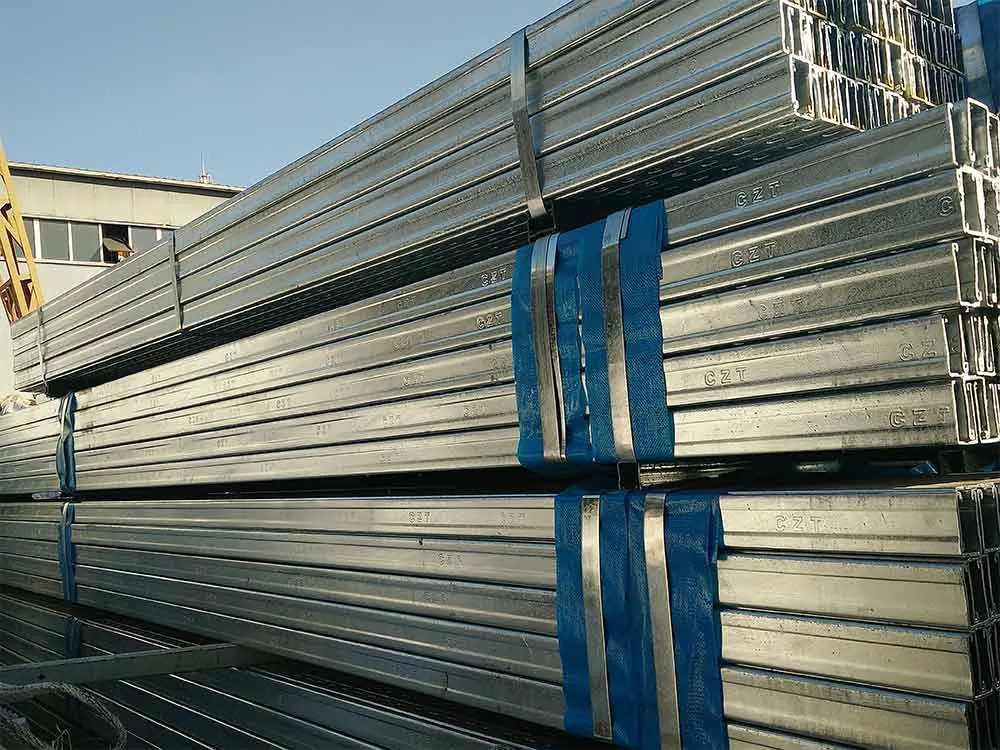
คุกคามการกัดกร่อน: เมื่อแผ่นดินไหวพบสภาพแวดล้อมที่รุนแรง
วิธีการที่สนิมทำให้เหล็กคาร์บอนอ่อนแออย่างรวดเร็ว’ s ความซื่อสัตย์ของแผ่นดินไหว
แผ่นดินไหว ไม่ได้โจมตีคนเดียว พวกมันมักจะติดต่อพื้นที่ชายฝั่ง หรือจุดโรงงาน ที่มีความชื้นและอากาศเคมีมาก เมื่อเหล็กคาร์บอนสนิม มันจะสูญเสียความหนา การสนับสนุนที่ลดลงเพียง 10% ของขนาดของมันเพื่อสนิม สามารถสูญเสียกว่า 30% ของพลังงานจับแผ่นดินไหว ในระหว่างแผ่นดินไหว ส่วนที่อ่อนแอ และกัดกร่อนนี้กลายเป็นจุดแรกที่ล้มเหลว
เหล็กกล้าไร้สนิม Austenitic และ Duplex เป็นโซลูชั่นระยะยาว
โครเมียมในชนิดสแตนเลสที่ละเอียด สร้างโล่ออกไซด์ที่บาง และยึด ที่หยุดสนิมอย่างเต็มที่ โดยการเลือกสแตนเลสออสเตนิติกหรือดูเพล็กซ์เพื่อความต้านทานต่อแผ่นดินไหว ผู้เชี่ยวชาญจะให้แน่ใจว่าวัสดุจะรักษาความแข็งแรงและการดั นี่เป็นความจริงหลายปีหลังจากการติดตั้ง ไม่ว่าอากาศทะเลหรือสกปรกโรงงาน
วิธีเลือกวัสดุที่ปลอดภัยที่สุดสําหรับโซนเสี่ยงสูง
สถานการณ์ที่เป็นมิตรกับงบประมาณที่เหล็กคาร์บอนยังคงยอมรับได้
สําหรับงานที่ลึกภายในดิน ในพื้นที่แห้งที่ไม่มีแผ่นดินไหวในอดีต เหล็กคาร์บอนเคลือบที่เหมาะสมทํางานได้ดีสําหรับเฟรมเพิ่มเ
โครงสร้างพื้นฐานที่สําคัญที่ต้องการการปรับปรุงสแตนเลสทันที
สถานที่เช่นโรงพยาบาล สถานที่เคมี การตั้งค่าพลังงานแสงอาทิตย์สูง และศูนย์ฉุกเฉิน ไม่สามารถจัดการกับการหยุดอาคาร ในกรณีที่มีความเสี่ยงเหล่านี้ ต้องเปลี่ยนไปยังวัสดุที่กันไหว นี่ช่วยหลีกเลี่ยงปัญหาการติดตามที่สําคัญ
การรับประกันการปฏิบัติตามและจัดหาคุณภาพกับ CZT Solar
ที่ CZT พลังงานแสงอาทิตย์เรารู้ว่าอาคารที่แข็งแกร่งเริ่มต้นในโรงงาน เราดําเนินการโรงงานขนาดใหญ่ มีสายเจาะ 15 สาย นี่ทําให้เราสามารถผลิตได้ต่อเดือน 5,000 ตัน เว็บไซต์ของเราใช้ระบบการจัดการ 6S เพื่อให้แน่ใจว่าการทำงานที่สมบูรณ์แบบ
เมื่องานของคุณต้องการลิงค์พิเศษที่ทำตามคำสั่งซื้อเพื่อจัดกรอบแผ่นดินไหว เราให้รายละเอียด ชิ้นส่วนตัดเลเซอร์ OEMด้วยเครื่องตัดเลเซอร์ 2 เครื่องตัดพลาสม่า 1 เครื่องและเครื่องดัด 3 เครื่องเราสามารถสร้างลิงค์โลหะจากเหล็กเหล็กอลูมิเนียมหรือสแตนเลสได้ เหล่านี้มีความหนาตั้งแต่ 0.1 ถึง 10 มม. เราสร้างแม่พิมพ์ที่แม่นยำตามแผนวิศวกรรมของคุณ ดังนั้น ทุกตัวถือและจานจับคู่กันอย่างสมบูรณ์แบบ และทํางานได้ดีภายใต้ความดันแผ่นดินไหว
คำถามที่พบบ่อย
Q: ทำไมสแตนเลสสำหรับความต้านทานแผ่นดินไหว ถือว่าเหนือกว่าในการกระจายพลังงานเมื่อเทียบกับวัสดุแบบดั้งเดิม?
ตอบ: สแตนเลสมีทักษะในการทำงานที่แข็งและความสามารถในการดัดดีขึ้น ในแผ่นดินไหว มันใช้พลังงานในการเคลื่อนไหว โดยการดัดและเปลี่ยนรูปร่างโดยไม่ต้องแตก ในทางกลับกัน วัสดุคาร์บอนตามปกติมักจะเผชิญกับการแตกอย่างฉับพลัน ภายใต้ความเครียดที่ซ้ำซ้ำซ้ำเดียวกัน
Q: ค่าใช้จ่ายเริ่มต้นสูงของเหล็กสแตนเลสสำหรับความต้านทานแผ่นดินไหวทําให้มันใช้ในกรอบอาคารพาณิชย์ได้หรือไม่?
ตอบ: ใช่ ราคาวัสดุเริ่มต้นสูงขึ้น แต่มันไม่ต้องการการซ่อมแซมเคลือบ ไม่มีการแลกเปลี่ยนสนิม และไม่มีการซ่อมแซมหลังจากแผ่นดินไหว นี่ทำให้ค่าใช้จ่ายรวมของการเป็นเจ้าของลดลงมากในช่วงเวลา 50 ปี
Q: การกัดกร่อนสิ่งแวดล้อมมีผลต่อประสิทธิภาพของสแตนเลสสำหรับความต้านทานแผ่นดินไหว?
ตอบ: มันแทบจะไม่มีผลต่อมันในการตั้งค่าปกติเลย โล่โครเมียมออกไซด์ในตัวหยุดสนิมจากการลดขนาด ดังนั้น การสร้างจึงรักษาความแข็งแรงในการยึดแผ่นดินไหวครั้งแรกของมัน แม้ในทะเลหรือโรงงานที่ยาก
Q: วิศวกรสามารถรวมส่วนประกอบที่ทำจากสแตนเลสเพื่อความต้านทานต่อแผ่นดินไหวลงในกรอบเหล็กคาร์บอนที่มีอยู่ได้หรือไม่?
ตอบ: ใช่ แต่ต้องวางแผนอย่างระมัดระวัง เพื่อหยุดปฏิกิริยากินโลหะที่ทั้งสองประเภทสัมผัส ให้ใช้สินค้าแยก เช่น ซีลพิเศษ หรือฝาครอบไม่ใช่โลหะที่จุดเชื่อมต่อ
Q: เกรดเฉพาะของสแตนเลสสําหรับความต้านทานแผ่นดินไหวแนะนำสําหรับการสนับสนุนโครงสร้างหนัก?
ตอบ: สำหรับการสนับสนุนแผ่นดินไหวพื้นฐานประเภทออสเตนิติกเช่น 304 และ 316 ทํางานได้ดีเนื่องจากความสามารถในการดัดที่แข็งแกร่ง สําหรับงานที่ต้องการความแข็งแรงสูงสุดและการป้องกันสนิมเต็มรูปแบบ ประเภทดูเพล็กซ์เป็นตัวเลือกที่ดีที่สุด





 Thai
Thai  English
  Japanese
  Korean
  Spanish
  Arabic
  Russian
  French