

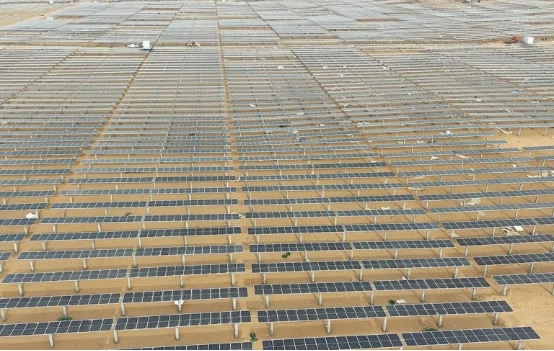
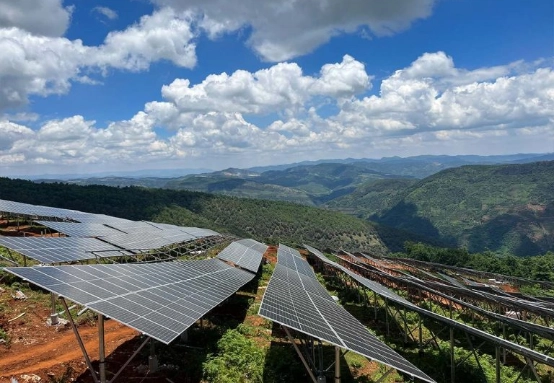
A ground-mounted PV plant looks simple from a distance. Rows of modules. Steel posts. Open land. The difficult work sits below that geometry. A solar ground mounting system must fit the modules, soil, weather, installation crew, and project schedule at the same time. A small mismatch can appear later as loose clamps, difficult maintenance, or foundations that need correction.
The right choice starts with the project. System type, material, corrosion protection, foundation, and connection details should be considered as one package. This guide follows the decisions that matter on a real PV site.
Start with Your PV Power Plant Requirements
Before comparing catalog drawings, define the site and the array.
Project Size and Application
A utility-scale solar farm needs repeatable parts and a supply plan that handles thousands of identical connections. A commercial installation may have tight boundaries, uneven ground, or restricted access. A small ground array has different priorities. It may need a compact layout and quick manual installation.
Solar Module Layout
Module dimensions and weight set the structure geometry. Confirm the frame profile before selecting clamps. Check whether modules will be installed in portrait or landscape orientation. Row spacing and tilt affect shading, cable routing, and the amount of steel required.
Local Environmental Conditions
Wind and snow loads are obvious inputs, but they are not the whole picture. Temperature swings affect expansion. Heavy rain changes drainage around foundations. Coastal air accelerates corrosion. A site engineer should check seismic requirements and the exposure category used in the structural calculation.
Soil conditions deserve an early visit. Two fields a few kilometers apart can produce different driving resistance. A geotechnical report and pull-out testing often save more money than a late redesign.
Compare the Main Types of Solar Ground Mounting Systems
Once site data is clear, compare systems that can work there. The cheapest drawing is rarely the cheapest installed solution.
Fixed-Tilt Ground Mounting
Fixed-tilt systems use a stable angle selected for latitude, energy target, and row spacing. There are fewer moving parts, so inspection and maintenance are straightforward. For many utility projects, that simplicity is persuasive.
Single-Axis Tracking Systems
A single-axis tracker rotates modules through the day. It can increase production during useful sunlight hours, but adds drive units, controls, bearings, and maintenance points. Foundations and torque tube layout become more demanding.
Pile-Driven, Ground-Screw and Concrete Foundations
Pile-driven foundations are common where soil resistance and access allow fast installation. Ground screws can suit selected soils and reduce wet work. Concrete foundations suit difficult ground or designs requiring a larger bearing area.
Select the Right Material and Corrosion Protection
Material selection affects handling, structural capacity, and the condition of the array years later. It should be discussed with foundation and connection details in view.
Steel or Aluminum?
Steel offers high strength and familiar fabrication for large support frames. It fits projects with long spans or high wind loads. Aluminum is lighter and easier to handle, which helps on sites with restricted lifting equipment.
Galvanized Steel for Long-Term Outdoor Use
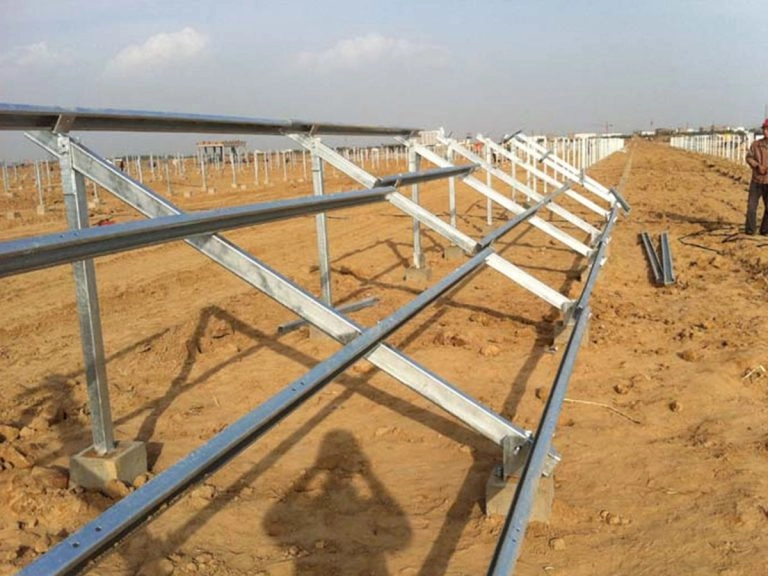
Galvanized steel is widely used for outdoor PV structures because its zinc coating provides barrier and sacrificial protection. Required coating level depends on the environment and project specification.
CZT Solar supplies C steel channels, Z steel channels, omega steel beams, solar panel clamps, and bolts and nuts. During procurement, request material grade, coating standard, inspection records, and batch traceability. Do not choose a coating by appearance alone. Cut edges, drilled areas, and dissimilar metals also need attention.
Check Structural Compatibility and Installation Efficiency
A mounting system is a chain. It works only when each connection has been considered.
Load Capacity and Engineering Design
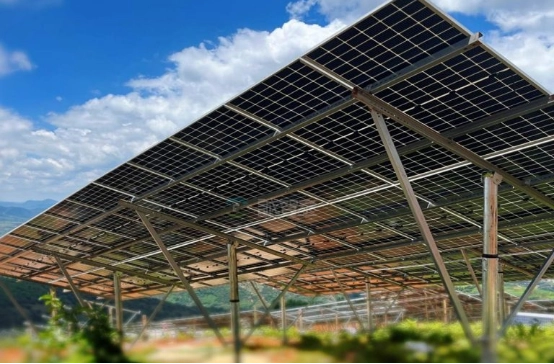
The structure must carry module weight, wind uplift, snow, and maintenance loads. Posts, beams, rails, clamps, bolts, and foundations should be checked as a complete load path. Structural calculations should follow codes used at the project location.
Connection Details
Connection details decide whether a crew moves quickly or spends the day correcting holes. Matching slots, consistent bolt sizes, and well-designed clamps reduce field improvisation. Welded parts can help with custom assemblies, while bolted joints simplify replacement.
A supplier that provides the full set of metal parts helps keep tolerances under control. This is where แผงเซลล์แสงอาทิตย์ยึด and compatible fasteners matter. They are small items, but a missing clamp can stop an entire row.
Site Installation
Evaluate Total Project Cost, Not Just Unit Price
A quotation should cover more than steel. Include foundations, freight, packaging, installation labor, special tools, replacement parts, and site processing.
Choose a Supplier with One-Stop PV Mounting Capability
Supplier capability becomes visible when the project changes. A module revision arrives. Pile length changes after testing. A custom bracket is needed for a boundary row.
CZT Solar’s range covers structural channels, beams, clamps, fasteners, welding parts, fences, and other OEM metal components. That range can simplify coordination for EPC contractors and distributors who need related items from one source. Review drawings, samples, quality documents, packaging, and response time before placing a large order.
Solar Ground Mounting System Selection Checklist
- What is the project size and module layout?
- What are the local wind, snow, and seismic conditions?
- Which foundation type suits the soil?
- Is steel or aluminum more appropriate?
- What corrosion protection is required?
- Are clamps, bolts, and connection parts compatible?
- Can the supplier provide drawings, BOM, and technical support?
- What is the total delivered and installed cost?Choosing a ground mounting system is a project decision, not a catalog decision. Match the structure to the soil, climate, modules, and installation crew. CZT Solar can support projects that need coordinated PV mounting structures and metal components. Contact CZT Solar with site details to discuss a suitable system and quotation.
คำถามที่พบบ่อย
Q: What is the best solar ground mounting system for a large PV power plant?
There is no single best system for every plant. Large projects often use fixed-tilt structures or trackers. The right option depends on soil, wind and snow loads, module layout, land availability, maintenance access, and the construction plan.
Q: Is galvanized steel suitable for ground-mounted solar systems?
Galvanized steel is commonly used for outdoor PV structures. Suitability depends on the corrosion environment, coating requirement, section design, and connection method. Confirm the applicable standard and inspection documents with the supplier.
Q: What information should I send to a solar mounting supplier?
Send the project location, module datasheet, capacity, array layout, soil information, design loads, preferred foundation, and target delivery date. Drawings or a preliminary table layout help identify connection and quantity requirements.





 Thai
Thai  English
  Japanese
  Korean
  Spanish
  Arabic
  Russian
  French