

Cold-rolled steel shapes represent the pinnacle of precision engineering in modern construction and industrial manufacturing. Unlike traditional hot-rolled members that are shaped while molten, these profiles are formed at room temperature, resulting in superior surface finishes and tighter dimensional tolerances. For engineers and procurement managers in the solar and construction sectors, understanding the nuances of these profiles is critical for optimizing structural integrity and project costs.
What Are Cold-Rolled Steel Shapes and Why Do They Matter?
The Cold Forming Process vs. Hot Rolling
Cold forming technology transforms flat steel coils into complex profiles through a series of progressive rollers at ambient temperatures. This process, distinct from hot rolling, induces work hardening in the material, which significantly increases the yield strength of the final product. While hot-rolled steel is suitable for massive structural components, cold-rolled steel shapes offer the precision required for modular assembly. To understand the fundamental metallurgical distinctions in depth, you can refer to our previous analysis on ความแตกต่างที่สำคัญระหว่างรูปร่างเหล็กรีดร้อนและเย็นคืออะไร?
Key Performance Benefits for Structural Projects
A good strength-to-weight balance serves as the main plus of using cold-rolled shapes in building tasks. These shapes use smart cross-section designs. They hold heavy weights. At the same time, they cut the full fixed load of the build. This right away drops moving and handling costs. Plus, the making steps let workers add holes and cuts ahead of time. They do this during shaping. As a result, setup on site goes fast without welding. This proves key for tight-schedule jobs like solar fields.
Detailed Breakdown of Common Cold Rolled Steel Profiles
C-Channel Steel (C-Purlins): The Versatile Backbone
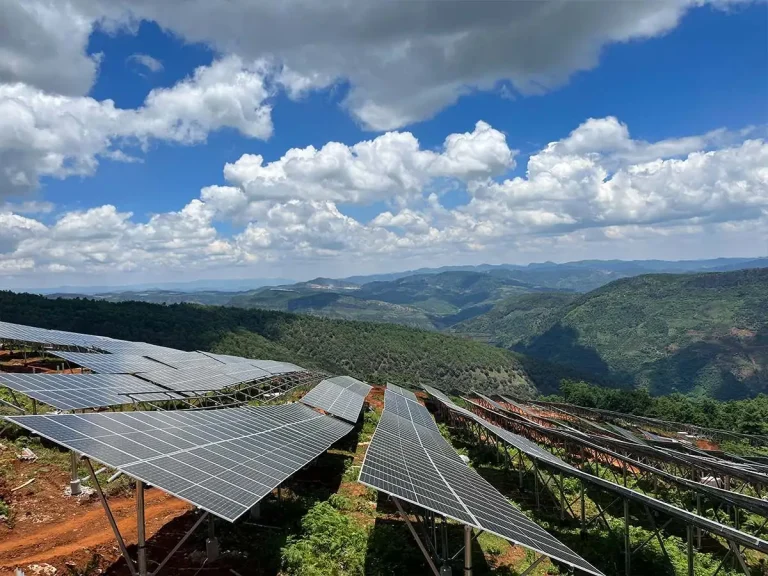
C ช่องเหล็ก, often called C-Purlin, has a clear “C” cut that gives strong build aid for wall frames and roof supports. Its plan fits an easy setup. The even sides allow firm links with basic bolts and screws. In solar setups, our C Steel Channel acts as the main hold bar. It offers light weight for handling. It also brings solid weight-hold power for solar panels.
Z-Channel Steel: Optimized for Roofing and Cladding
Z Steel Channel distinguishes itself with a unique geometry that allows for overlapping (nesting) at supports, creating continuous beams that handle higher loads than single-span systems. This structural continuity makes the Z Steel Channel an ideal solution for large-scale industrial roofing and cladding projects where minimizing deflection is paramount. The rigidity provided by the Z-profile ensures stability under heavy wind and snow loads, making it a preferred choice for long-span solar racking systems.
Omega Steel Beams (Hat Channels): Superior Torsional Resistance
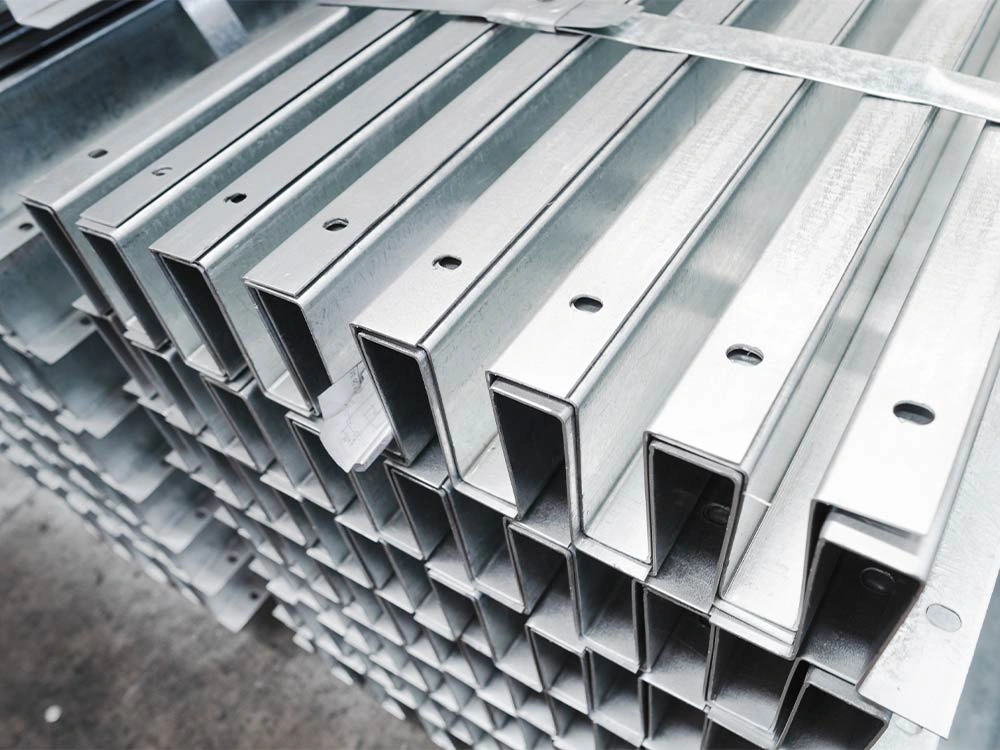
Omega Steel Beam gets its name from the Ω-like cut. It works well in tasks needing strong twist resistance and side steadiness. Open C or U shapes differ from it. The Omega Steel Beam’s half-shut plan fights bending and turning. This fits it for tricky builds like tunnel covers and heavy machine bases. Its smart shape also serves as a hat channel in building fronts. It gives a tough base channel for outer covers.
Unistrut Channels: Modular Framing for Systems
Unistrut Channel Steel serves as a modular framing system designed for infinite adjustability without the need for drilling or welding. Featuring a pre-slotted design, it allows for the rapid attachment of pipe clamps, electrical conduits, and cable trays using simple nut-and-bolt assemblies. This flexibility makes it indispensable for mechanical and electrical support grids in commercial buildings and solar panel mounting, where field adjustments are often necessary.
Critical Selection Factors for Cold-Formed Steel Projects
Choosing the Right Material Grade and Thickness
Selecting the appropriate steel grade, such as Q235 or Q355, is vital for ensuring the structural performance meets specific project loads. The thickness of cold-rolled steel shapes typically ranges from 1.5mm to 4.0mm, and this dimension must be calculated based on the span and anticipated environmental stresses. For a deeper dive into how different grades affect performance, we recommend reading our guide on คุณสมบัติวัสดุแตกต่างระหว่างรูปร่างเหล็กรีดร้อนและเหล็กรีดเย็นอย่างไร?
Corrosion Protection: Galvanized vs. Zn-Al-Mg Coatings
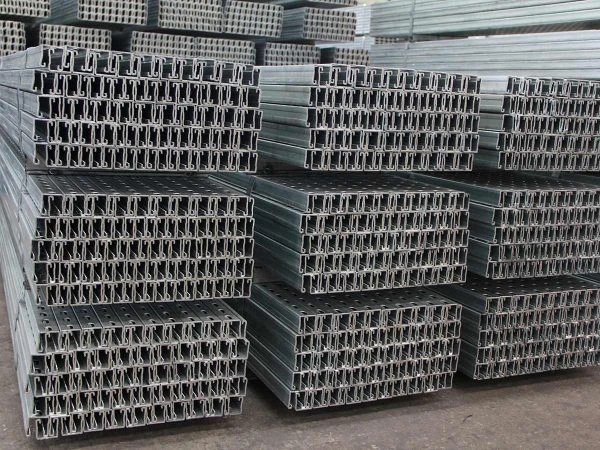
Corrosion resistance dictates the longevity of steel profiles, particularly in outdoor environments exposed to moisture and salt spray. While traditional hot-dip galvanizing (HDG) offers reliable protection, modern coatings like Zinc-Aluminum-Magnesium (Zn-Al-Mg) are becoming the industry standard for solar applications due to their self-healing properties on cut edges. Investing in high-quality surface treatments can extend the service life of the structure to 25 years or more, aligning with the lifecycle of solar modules.
How CZT Solar Delivers Custom Cold-Rolled Solutions
Advanced Manufacturing & OEM Capabilities
At CZT solar, we leverage a comprehensive production facility equipped with 25 cold forming lines and 15 punching production lines to meet diverse global demands. Our manufacturing capacity allows us to produce unistrut, C, Z, and Omega types with a monthly output of 5,000 tons, handling forming thicknesses up to 10mm. We know set sizes do not suit every job. So, we give full OEM help. We build forms from your exact plans to make custom steel links and shapes.
Global Project Support and Logistics
Our world service group works hard on full fixes. They cover from the first plan talks to the end delivery at the job spot. Based in Tianjin, north China’s top port town, CZT solar makes moving and shipping smooth for world buyers. We follow the 6S rule system closely. We hold ISO and SGS papers. This means every lot of C Steel Channel or Omega Steel Beam from our plant meets strict world quality rules.
คำถามที่พบบ่อย
Q: What is the best cold-rolled steel shape for solar mounting systems?
A: The pick depends much on the reach and weight needs. C Steel Channel stands as the usual choice for basic hold bars. It sets up easily with even hold sides. But for big ground holds with longer reaches between bases, Z Steel Channel often works better. It overlaps to build stronger, steadier beams.
Q: How do Zn-Al-Mg coatings compare to traditional galvanization for steel profiles?
A: Zn-Al-Mg (Zinc-Aluminum-Magnesium) covers give better rust fight than usual hot-dip galvanization. This shines in tough settings. They have a special self-fix way. It guards cut sides and scrapes. This makes them great for solar builds that need 25 years or more of use.
Q: Can cold-rolled steel shapes be customized for specific project requirements?
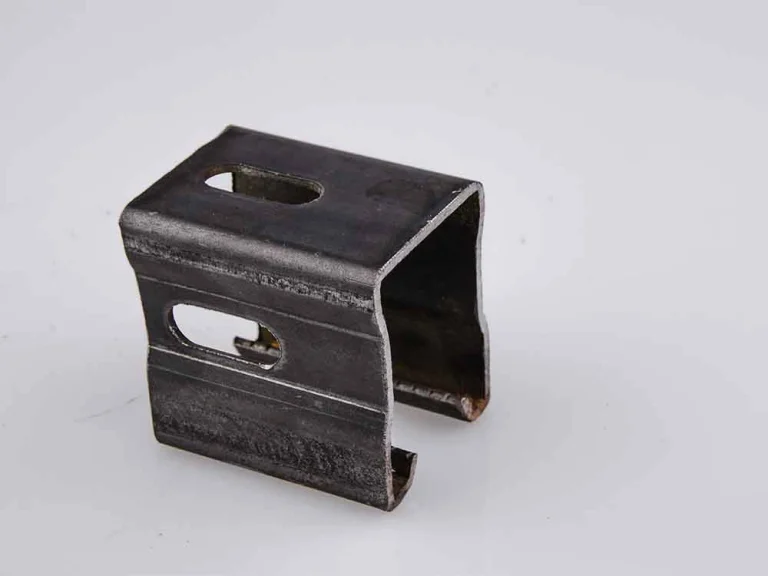
A: Yes, custom work marks a main plus of cold forming. Top makers can build shapes in set lengths, thicknesses (from 0.1mm to 10mm), and steel types to fit build plans. Custom hole cuts and slot patterns can join the making line, too. This cuts work on-site.
Q: What are the main differences between C-channel and Z-channel steel?
A: While both are used for structural framing, the primary difference lies in their geometry and connection method. C-channels have a symmetrical shape ideal for simple spans, whereas Z-channels are shaped to allow one profile to fit inside another (nesting). This nesting capability allows Z-channels to form a continuous structural line, providing greater strength over long distances.
Q: How does material thickness affect the load capacity of cold-formed steel?
A: Thickness links straight to the weight-holding power and firmness of the shape. Raising thickness (say, from 1.5mm to 3.0mm) boosts the shape’s skill to fight bending and folding under big weights. Think snow or wind push. Yet, builders must weigh thickness against weight and cost needs.




 Thai
Thai  English
  Japanese
  Korean
  Spanish
  Arabic
  Russian
  French