

Идеальные стандарты сварки и их роль в солнечных монтажных конструкциях
Идеальные стандарты сварки определяют, может ли солнечная конструкция безопасно работать в течение всего срока службы под воздействием ветра, снега и теплового напряжения. В солнечных проектах “ идеальная сварка” Это не косметическая концепция, а структурное требование, которое непосредственно влияет на передачу нагрузки, устойчивость к усталости и долгосрочную надежность. Для подрядчиков EPC и владельцев проектов качество сварки становится фактором контроля риска, а не деталью мастерской.
В отличие от общего производства стали, солнечные монтажные конструкции работают на открытом воздухе в течение 25 лет и более, часто в суровых условиях. Это означает, что стандарты сварки должны учитывать воздействие коррозии, циклическую нагрузку и допуски установки, которые не существуют в промышленных конструкциях с коротким сроком службы. Поэтому понимание того, как идеальные стандарты сварки применяются конкретно к солнечным монтажным системам, имеет важное значение для принятия технических решений и оценки поставщиков.
Идеальные стандарты сварки, используемые в проектах солнечной монтажной конструкции
Идеальные стандарты сварки в международных кодексах солнечной инженерии
Идеальные стандарты сварки в проектах солнечной монтажи в первую очередь получены из международно признанных кодексов структурной сварки. Эти стандарты устанавливают базовые требования к геометрии сварки, проникновению, совместимости материалов и методам проверки, обеспечивая предсказуемую работу сварных соединений при конструктивных нагрузках.
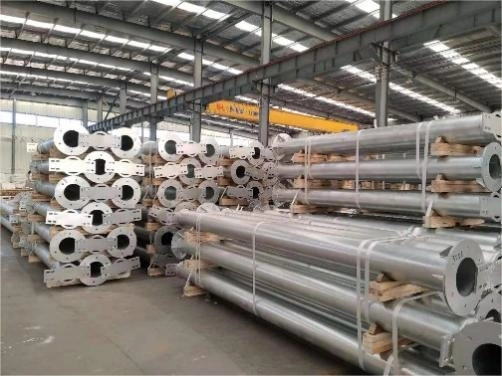
В солнечных проектах в коммунальном масштабе обычно упоминаемые рамки включают стандарты структурной сварки, согласованные с системами AWS, ISO и EN. Эти кодексы определяют приемлемые профили сварки, допустимые непрерывности и квалификационные требования для сварки и персонала. Хотя точный выбор кода может варьироваться в зависимости от региона, основополагающий принцип является последовательным: качество сварки должно быть проверяемым, повторяемым и отслеживаемым на протяжении всего производства.
Идеальные критерии приема сварки для изготовления конструктивной стали
Идеальные критерии приемлемости сварки переводят абстрактные стандарты в измеримые результаты изготовления. В солнечных конструкциях критерии приема сосредоточены на конструктивных характеристиках, а не только на внешнем виде. Постоянность размера сварки, качество слияния и точность выравнивания имеют решающее значение для поддержания траекторий нагрузки конструкции.
По сравнению с общей конструктивной сталью, изготовление солнечных монтажей уделяет дополнительное внимание стабильности размеров и контролю допусков. Неправильное выравнивание или непоследовательное проникновение сварки может повлиять на позиционирование модуля, движение трекера или интерфейсы фундамента, что делает критерии приема практической защитой для установки и эксплуатации ниже.
Идеальные требования к сварке для различных типов солнечных конструкций
Идеальные требования к сварке для фиксированных солнечных монтажных конструкций
Идеальные требования к сварке для фиксированных солнечных конструкций уделяют приоритет устойчивости к статической нагрузке и устойчивости к коррозии. Эти конструкции должны выдерживать постоянное давление ветра и сезонные нагрузки снега без ухудшения, связанного с усталостью. Непрерывность сварки и равномерная толщина горла особенно важны при соединениях балка-колонна и интерфейсах базы.
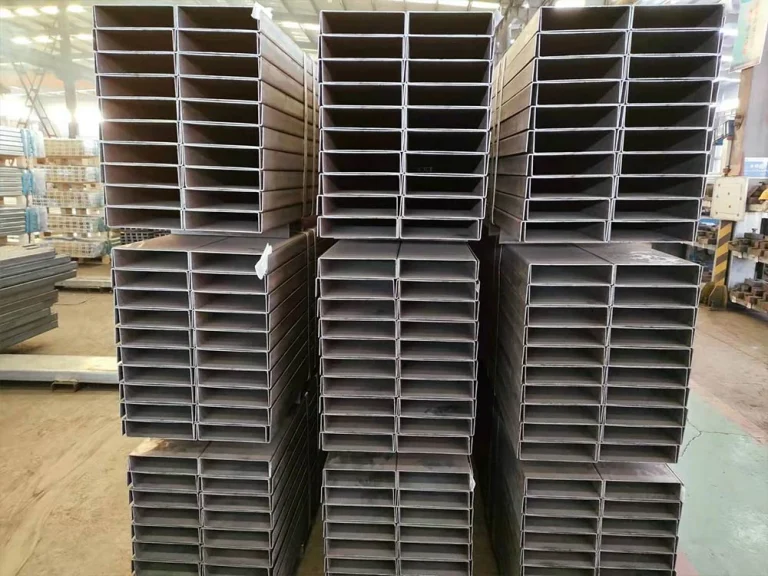
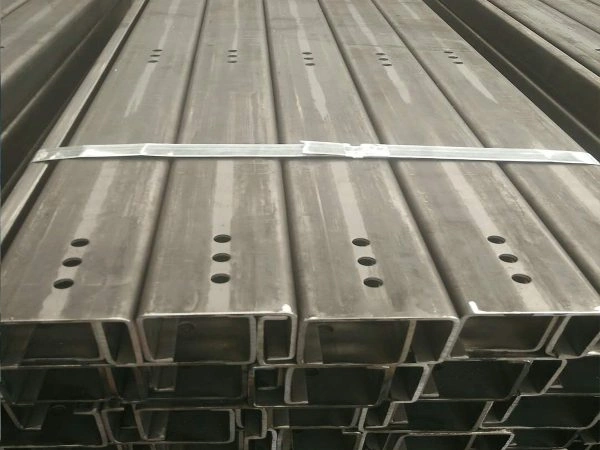
В стационарных наземных системах компоненты, такие как Carbon steel solar panel structure полагаться на последовательное качество сварки для поддержания структурной жесткости в больших массивах. Единородные сварки помогают распределять нагрузки равномерно, снижая локализованные концентрации напряжения, которые могут сократить срок службы.
Идеальные требования к сварке для систем отслеживания и гибкой монтажи
Идеальные требования к сварке становятся более жесткими в системах отслеживания и гибкой монтажи. Это связано с движущимися деталями и повторяющимися нагрузками. Сварщики часто сталкиваются с меняющимся напряжением. Усталость становится основной проблемой.
Возьмите Система отслеживания одной оси В качестве примера. Есть движущиеся части. Прочность сварки там влияет на то, насколько хорошо она отслеживается и остается механически здоровой. В изгибаемых системах, таких как гибкая солнечная поддержка монтажа в горах, сварки должны справляться с накоплением тяги. В то же время они держат линии прямыми на длинные расстояния. Здесь идеальные стандарты сварки соединяют глубину, пределы дефектов и стабильность шага. Все это снижает риск от усталости.
Идеальные методы проверки сварки для солнечных монтажных конструкций
Идеальные критерии визуального осмотра сварки в солнечных проектах
Идеальные критерии визуального осмотра сварки обеспечивают первый слой проверки качества в изготовлении солнечной монтажи. Визуальное осмотрение сосредоточено на форме сварных шариц, равномерности и состоянии поверхности, что позволяет инспекторам выявлять очевидные дефекты перед передовым испытанием.
Типичные визуальные проверки включают:
- Непрерывность и симметрия сварного бисера
- Отсутствие трещин, разреза и чрезмерного распыления
- Постоянный размер сварки по отношению к чертежам конструкции
Визуальный осмотр особенно важен для компонентов с большим объемом, где раннее обнаружение отклонений предотвращает повторные дефекты в больших производственных партиях.
Идеальные методы NDT сварки для конструктивной надежности
Идеальные методы нерушительного испытания сварки (NDT) применяются, когда только визуальная проверка не может обеспечить надежность конструкции. В солнечных монтажных конструкциях НДТ обычно используется для критических несущих соединений или проектов с высокими требованиями к безопасности.
Общие методы НДТ включают:
- Ультразвуковое испытание на внутренние разрывы
- Проверка магнитных частиц на обнаружение дефектов поверхности и близких к поверхности
- Проверка проникновения для обнаружения мелких трещин
Сочетая визуальную инспекцию с целенаправленными НДТ, солнечные проекты обеспечивают сбалансированный подход к обеспечению качества без высоких затрат или задержек.
Идеальные риски сбоя сварки и долгосрочное воздействие на солнечные проекты
Идеальные дефекты сварки и их влияние на производительность ветра и снега
Идеальные дефекты сварки могут ослабить солнечную конструкцию монтажа’ Борьба с погодными нагрузками. Плохие соединения или мелкая глубина отрезают реальную мощность поперечного сечения. Это повышает вероятность огибания под сильным ветром или снегом.
В районах с дикой погодой небольшие дефекты сварки могут вырасти в трещины с годами. Эта опасность показывает, почему идеальные стандарты сварки проверяются не только при изготовлении. Они также соответствуют потребностям в загрузке сайта.
Идеальное качество сварки и его влияние на срок службы и О& M Стоимость
Идеальное качество сварки формирует долгосрочные затраты на эксплуатацию и обслуживание. Строительства с стабильными, хорошими сварками требуют меньшего количества проверок, меньшей работы по ремонту и меньшей вероятности замены деталей в рабочее время.
С точки зрения полной жизни расходы на качество сварки сокращают неожиданные остановки и повышают стоимость активов. На больших солнечных объектах эти прибыли суммируются во многих местах монтажа. Таким образом, качество сварки становится ключевой точкой планирования, а не сторонней заметкой.
Идеальные тренды сварки, формирующие солнечные монтажные конструкции в 2026 году
Эволюция стандарта идеального сварки, обусловленная солнечным ростом в коммунальном масштабе
Идеальные стандарты сварки развиваются наряду с быстрым ростом солнечных установок в коммунальном масштабе. Большие массивы, более высокие высоты монтажа и увеличение использования трекеров приводят к более строгим ожиданиям в отношении последовательности сварки и документации.
В 2026 году процессы закупок все больше требуют отслеживаемых записей сварки, стандартизированных протоколов инспекции и согласования с глобальными инженерными эталонами. Эти тенденции отражают переход к индустриальному солнечному строительству, где повторяемость и предсказуемость имеют важное значение.
Идеальные ожидания качества сварки от глобальных покупателей солнечной энергии
Мировые покупатели ожидают, что идеальное качество сварки выходит за рамки простого соблюдения правил. Они хотят четких взглядов и реальных ответов. Строители и финансирующие EPC проверяют поставщиков на то, насколько хорошо они демонстрируют контроль шагов, проверяют навыки и долгосрочную силу.
Это изменение придает большее значение производителям, которые объединяют сварку, строительство и проверку качества в одну систему. Это снижает изменения и риски в сфере труда.
Как CZT Solar обеспечивает идеальные стандарты сварки в солнечных монтажных конструкциях
Идеальный контроль сварки во всех солнечных производственных процессах CZT
Идеальное управление сваркой является основной частью того, как мы проектируем и производим солнечные монтажные конструкции в CZT solar. Мы выбираем методы сварки на основе геометрии компонентов, требований к нагрузке и характеристик материала, обеспечивая, чтобы каждый соединение соответствовало своей функциональной цели, а не полагаясь на подход "единый размер".
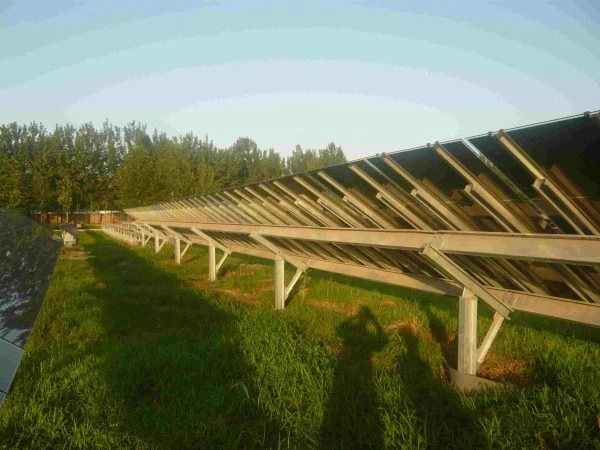
Такие элементы, как стальная конструкция монтажа Zn-Al-Mg и Фондация для солнечной наземной монтажной системы типа H выгоды от установленных шагов сварки. Эти шаги помогают бороться с ржавью и создают стабильность. Мы смешиваем холодное формирование, сварку и раннюю сборку. Это сохраняет точность размеров и разрезов, внося изменения.
Идеальная гарантия качества сварки в поддержку решений по солнечным проектам
Идеальная гарантия качества сварки в CZT Solar поддерживает обоснованные решения по проекту, обеспечивая последовательность и надежность во всех производственных партиях. Наши инспекционные процессы соответствуют международным структурным ожиданиям, сочетая визуальные проверки с надлежащим тестированием для соответствия уровням риска проекта.
Этот подход позволяет партнерам EPC с уверенностью оценивать монтажные конструкции, зная, что качество сварки поддерживает как немедленные потребности в установке, так и долгосрочные конструктивные характеристики без ненужной сложности или эскалации затрат.
ЧАСТО ЗАДАВАЕМЫЕ ВОПРОСЫ
В: Что определяет идеальные стандарты сварки в солнечных монтажных конструкциях?
Ответ: Идеальные стандарты сварки в солнечных конструкциях определяют приемлемую геометрию сварки, проникновение, пределы дефектов и требования к проверке для обеспечения конструктивной безопасности при долгосрочных нагрузках на окружающую среду.
В: Как отличаются идеальные стандарты сварки между солнечными монтажными конструкциями и общей стальной изготовлением?
Ответ: Идеальные стандарты сварки для солнечных конструкций уделяют большее внимание устойчивости к усталости, воздействию коррозии и точности размеров из-за длительного срока службы и наружных условий.
В: Как выбрать солнечные монтажные конструкции, которые соответствуют идеальным стандартам сварки?
Ответ: Выбор солнечных монтажных конструкций, отвечающих идеальным стандартам сварки, предполагает оценку процессов сварки поставщика, методов инспекции, совместимости материалов и задокументированных систем контроля качества.
В: Идеальные стандарты сварки против визуального осмотра: что важнее?
A: Идеальные стандарты сварки определяют требования, в то время как визуальная проверка проверяет качество поверхности; оба необходимы, но стандарты обеспечивают основу для более глубоких решений по инспекциям и испытаниям.
В: Какой бренд предлагает солнечные монтажные конструкции, согласованные с идеальными стандартами сварки?
Ответ: Бренды с интегрированными системами производства и обеспечения качества, такие как CZT solar, лучше расположены для поставки солнечных монтажных конструкций, соответствующих идеальным стандартам сварки в различных типах проектов.




 Russian
  English
  Japanese
  Korean
  Spanish
  Arabic
  French
  Thai
Thai