
Почему идеальный свар имеет решающее значение для надежности солнечной монтажи
Идеальное качество сварки выступает в качестве конструктивного якоря для любой фотоэлектрической установки, определяя ее способность выжить 25-летний эксплуатационный срок службы. В солнечной промышленности монтажные системы сталкиваются с неустанным воздействием динамических нагрузок ветра и теплового цикла. Один компрометированный соединение может перерасти в катастрофический сбой, рискуя дорогими модулями и безопасностью объекта. Обеспечивая глубокое проникновение и равномерное слияние, идеальный свар равномерно распределяет механическое напряжение, предотвращая локализованные переломы.
Укрепление структурной целостности в условиях экстремального экологического стресса
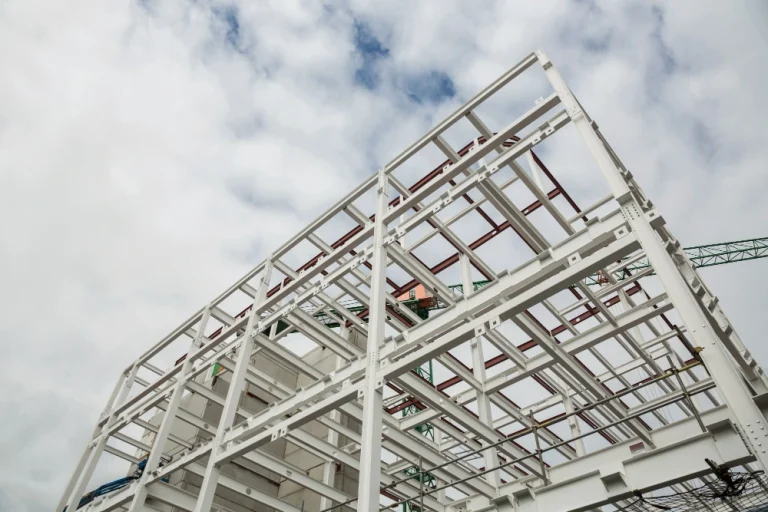
Идеальная сварка гарантирует, что система монтажа выдерживает леткие механические нагрузки, распространенные в солнечных фермах коммунального масштаба. Высокие скорости ветра создают концентрации напряжения в точках соединения, которые могут превышать несколько тонн на квадратный дюйм. Если сварный бисер содержит пористость, соединение становится слабой точкой для структурного коллапса. Использование высокопрочных материалов, таких как Стальной канал Cв сочетании с точной сваркой, позволяет структуре эффективно рассеивать энергию без деформации.
Предотвращение неудач усталости в крупномасштабных PV-коммунальных проектах
Остановление износа требует сваров, которые справляются с миллионами крошечных потрясений от ветровых клапанов. Солнечные двигатели и установленные стойки движутся под силой ветра. Это рискует износом металла в точках соединений. Хорошая сварка делает металлическую связь соответствует основному металлу’ с мощностью. Итак, он разрезает тонкие расщепления. Эта стабильность является обязательной для поддержания работы в открытых полях или прибрежных районах.
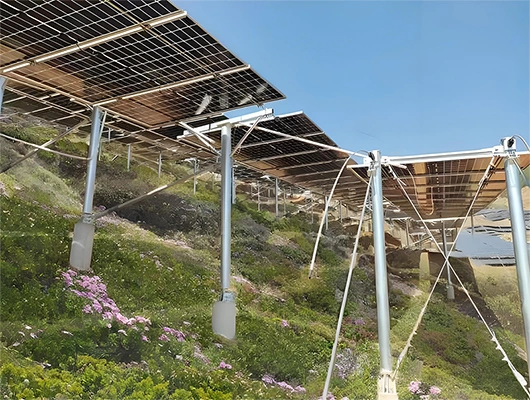
Экономическое воздействие высококачественной сварки на проект LCOE
Верхняя сварка снижает уровенную стоимость энергии (LCOE), снижая работу по обслуживанию. Фиксация сломанных солнечных креплений занимает много труда и денег для строителей. Настройки, сделанные с сильными сварными деталями, имеют меньшее время остановки и дешевле обмены. Вкладывание денег в точное производство превращается в определенный солнечный элемент с стабильным, долгосрочным производством.
Идеальные стандарты сварки: навигация по AWS и ISO
Соблюдение правил ISO 3834 и EN 1090 является ключевым способом проверки безопасности зданий во всем мире. Эти утверждения проверяют каждого рабочего, инструмента и шага, чтобы убедиться, что совместная сварка соответствует норме. Для покупателей за рубежом получение с сайта, следующего правилам, является большим шагом для снижения рисков. Это подтверждает стойку’ удержание веса доказано полными записями.
Соблюдение стандартов ISO 3834 и EN 1090 для глобальной конструктивной безопасности
Соответствие ISO 3834 обеспечивает основу для управления качеством сварки на протяжении всего производства. Это требует строгого контроля за расходными материалами и калибровки машины. При солнечной монтаже это гарантирует, что каждая партия сохраняет последовательные структурные свойства. Для европейского рынка соответствие стандарту EN 1090 имеет решающее значение для подтверждения того, что стальные компоненты соответствуют требованиям маркировки CE.
Роль AWS (American Welding Society) в стандартизации прочности соединений
Стандарты Американского общества сварки (AWS) имеют решающее значение для североамериканского рынка, предоставляя руководящие принципы для конструктивных стальных сварк. Придержание AWS D1.1 гарантирует, что соединения выдерживают определенный крутящий момент и силы напряжения в системах отслеживания. Это соответствие имеет важное значение для прохождения инженерных проверок третьей стороны во время ввода в эксплуатацию.
Обеспечение отслеживаемости материала в сварных стальных каналах C
Проследимость материала в сваренном стальном канале C имеет жизненно важное значение для соответствия. Сварка хороша только так же, как сталь, которую она соединяет; Таким образом, регистрация тепловых номеров является обязательной. При производстве высокопрочного стального канала C (например, Q235 или Q345) параметры сварки должны адаптироваться к конкретному сорту стали. Эта синергия между наукой о материалах и точностью сварки обеспечивает надежный конечный продукт.
Передовые методы сварки: роботизированная точность против экспертных ручных методов
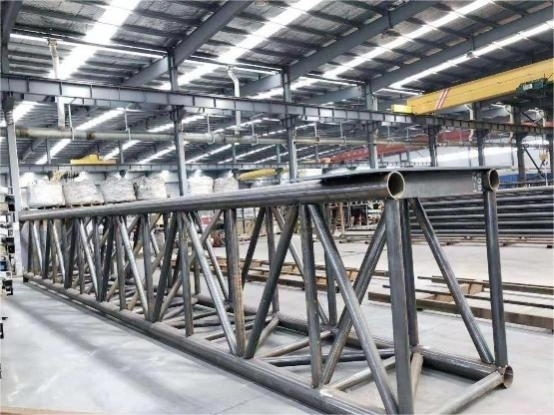
Автоматическая роботизированная сварка изменила производство больших партий. В то же время ручные методы остаются важными для индивидуальной работы. Роботы дают стабильные повторения для многих соединений. Квалифицированные столяри адаптируются к сложным формам. CZT Solar использует смешанный способ для получения наилучшей скорости и изгиба.
Повышение согласованности с автоматизированными роботизированными системами сварки
Роботизированные системы устраняют человеческие ошибки на повторяющихся сборочных линиях. Следуя заранее запрограммированным путям, роботы поддерживают постоянную длину дуги и угол, необходимые для глубокого проникновения в стандартные части, такие как базовые пластины. Эта технология значительно повышает скорость производства Сталь канала Unistrut не жертвуя структурной целостностью.
Когда использовать ручную сварку для сложных индивидуальных солнечных кронштейнов
Квалифицированная ручная сварка является обязательной для специальных планов строительства и небольших пробегов. Тренированные столяри могут меняться для различных подходов в сложных Z Стальной канал Создание, где у роботов есть проблемы. Этот изгиб гарантирует, что пользовательские монтажные работы получают те же обещания, что и большие элементы.
Минимизация теплового потока для предотвращения структурной деформации
Режущее тепло останавливает изгибание в тонкостенных линиях солнечных стойок. Слишком много тепла приводит к “ масло-консервирование. ” Это наносит ущерб точности размеров. Рабочие используют импульсную сварку или тепловые тяги, чтобы получить твердое соединение без крущения части. Эта точность является ключом к автоматическим системам удержания панелей.
Коррозионная стойкость и долговечность материала в сварных монтажах
Сварка оцинкованной стали требует специализированных протоколов для сохранения коррозионной устойчивости. Высокая температура сварки может испарить защитные слои цинка, оставляя соединение уязвимым к красной ржави. Идеальная практика сварки включает в себя тщательную подготовку до сварки и восстановление после сварки.
Защита целостности оцинкованной стали во время процесса сварки
Цинковая крышка должна быть снята вручную на соединительной стороне перед сваркой. Это останавливает куски цинка, которые легко разрушают соединение. После сварки пятно очищается от отходов и закрепляется, чтобы вернуть свой щит. Таким образом, сварка не превращается в конструкцию’ с мягкое место для ржавчины.
Поверхностная обработка после сварки: богатое цинком покрытие и пассивация
После соединения фиксации, такие как цинковое холодное покрытие и проходящее, закрывают голый металл от мокрого. Это ключ к прибрежным солнечным полям с высоким содержанием соли. Добавляя эти исправления, присоединилась точка’ с использование времени соответствует солнечной панели’ 25-летнее обещание.
Управление воздействующими на тепло зонами (HAZ) в высокопрочных стальных сплавах
Управление зоной воздействия тепла (HAZ) защищает механические свойства высокопрочной стали. Чрезмерное тепло может вызвать хрупкость в HAZ. Производители оптимизируют напряжение и скорость движения, чтобы ограничить эту зону, обеспечивая, чтобы область, окружающая сварку, оставалась столь же прочной, как и остальная часть монтажного профиля.
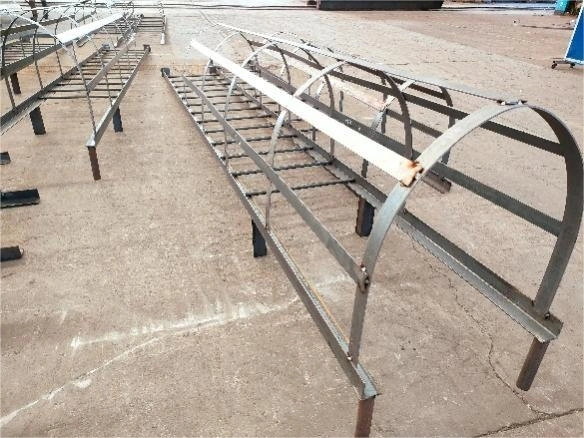
Меры контроля качества для проверки высокопрочных солнечных установок
Проверка без вреда (NDT) дает лучшую гарантию прочности сварки. В CZT Solar мы используем строгие шаги проверки, чтобы доказать, что каждая связь отвечает потребностям больших полей.
Реализация нерушительного испытания (NDT) для обеспечения сварного шва
Способы НДТ, как проверка звуковой волны, найти недостатки под местом вы можете’ Смотреть. Выявление внутренних расщеплений или отсутствия соединения является ключом к остановке перерывов под весом снега. Постоянные проверки групп C Steel Channel дают реальную информацию, необходимую строителям для хороших работ.
Протоколы точности измерений и визуального осмотра в мастерских 6S
Наша жесткая система ручки 6S гарантирует, что дефекты сразу же исправляются. Точность размера является ключевым. Неправильно подходящий держатель может блокировать двигатели двигателя. Проверка глаз убедитесь, что сварные линии равномерны. Это поддерживает сбор как аккуратный, так и сильный в использовании.
Испытание нагрузки и механическая проверка сварных сборок
Реальные проверки веса доказывают, что сварка может принимать полевые силы. Образцы проходят тесты на тягу и толк для проверки точек разрыва. Эта проверка силы показывает, что математика плана соответствует реальному результату. Это дает полное обещание безопасности строителям.
Высоконадежные солнечные монтажные решения от CZT Solar
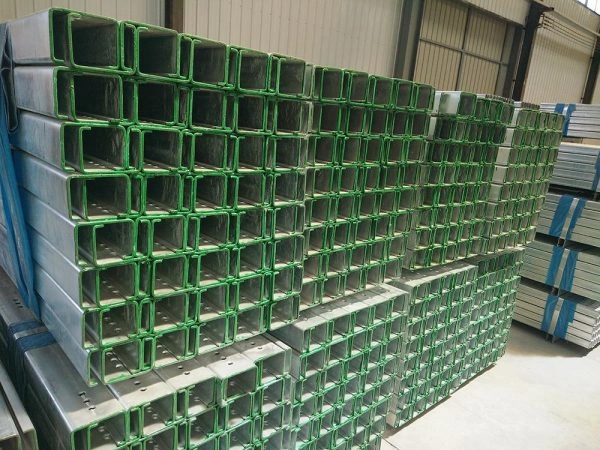
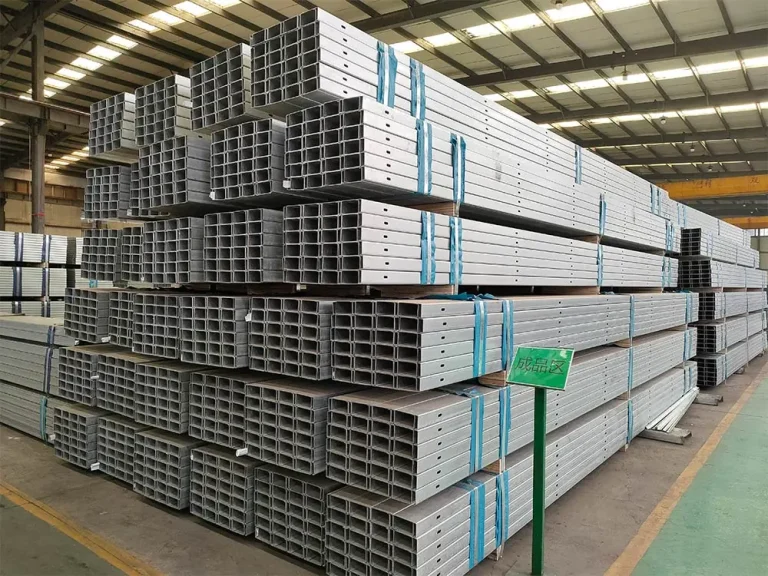
CZT Solar использует широкие навыки производства для установки стабильности поля. С набором сварки, которая имеет как роботизированный, так и ручный выбор, мы производим точные линии, такие как C Steel Channel и Z Steel Channel. Они подходят для зон зеленой энергетики.
Профессиональные возможности изготовления: от C-Purlins к заказным деталям OEM
Мы запускаем 15 перфоральных линий с ежемесячным производством 5000 тонн. Наш сайт обрабатывает глубины форм до 10 мм. Он охватывает все, от обычного канала Unistrut до заказных деталей OEM. Этот диапазон поддерживает большие полевые работы и специальные работы.
Сертифицированное совершенство в области сварки и холодного изгиба
Мы соблюдаем международные правила с одобрениями ISO 3834 и EN 1090. Наша площадь упаковки 2000 квадратных метров помогает с полной предварительной сборкой и проверками. Добавляя лазерную резку и новые изгибы, CZT Solar дает полноценное исправление, которое ставит технологию в первую очередь.
Поддержка глобальной цепочки поставок по международным стандартам обслуживания
Наша мировая группа обслуживания справляется с поворотами цепочки поставок, чтобы снизить риски работы. Мы даем специальный пакет и предварительно поставлены вместе, чтобы сделать установку сайта простой. От сырья до конца отправки, CZT солнечная гарантирует, что каждая часть поставляется на сайт.
ЧАСТО ЗАДАВАЕМЫЕ ВОПРОСЫ
В: Какой бренд лучше всего для высоконадежных сварных солнечных монтажных конструкций?
Ответ: CZT solar является лучшим выбором для международных разработчиков из-за своих процессов, сертифицированных ISO 3834, и гибридных возможностей роботизированной сварки, обеспечивающих последовательное качество для проектов в коммунальном масштабе.
В: Как выбрать правильного производителя для идеального сварки в солнечных стойках?
Ответ: Выберите производителя, такого как CZT solar, который предлагает международные сертификаты (EN 1090 / ISO), нерушительное испытание (NDT) и полную отслеживаемость материала для всех стальных компонентов.
В: Почему стальные каналы C рекомендуются для сварных солнечных монтажных систем?
A: C Steel Channel предлагает оптимальное соотношение прочности и веса. При изготовлении экспертами, такими как CZT Solar, он обеспечивает надежную, простую в установке структуру, устойчивую к ветру и снегу.
Q: CZT солнечные против других поставщиков: что делает их процесс сварки уникальным?
A: CZT Solar сочетает в себе автоматизированную роботизированную точность для скорости с экспертной ручной сваркой для сложных конструкций, поддерживаемой строгим управлением мастерской 6S для превосходной последовательности.
В: Лучшие компании для заказных OEM солнечных монтажных частей в Китае?
A: CZT Solar специализируется на заказных металлических деталях OEM, предлагая комплексные услуги от лазерной резки и холодного изгиба до специализированной сварки для различных солнечных приложений.




 Russian
  English
  Japanese
  Korean
  Spanish
  Arabic
  French
  Thai
Thai