

Large Farm Sheds and Why Structural Decisions Matter at Scale
Large farm sheds play a foundational role in modern agriculture because structural decisions made at scale directly affect safety, operational efficiency, and long-term adaptability. Unlike small or medium agricultural buildings, large farm sheds must support heavier machinery, higher storage density, and longer service life under variable environmental conditions. These realities turn early structural choices into long-term risk management decisions rather than simple design preferences.
What Defines Large Farm Sheds in Modern Agriculture
Large farm sheds are defined by span width, structural height, and long-term multi-purpose use rather than footprint alone. In practice, they feature wide column spacing for modern harvesting equipment, high clearance for machinery movement, and framing capable of supporting additional loads over time. These characteristics distinguish large farm sheds from light agricultural shelters designed for limited or temporary use.
Large-scale operations treat large farm sheds as permanent infrastructure. This shift requires early evaluation of structural reliability, corrosion resistance, and adaptability to ensure continued performance as operational demands evolve.
How Large Farm Sheds Support Storage, Machinery, and Energy Use
Large farm sheds centralize storage, machinery protection, and operational activities within a single structure. Beyond housing equipment and bulk materials, they increasingly function as hubs that may later integrate maintenance zones or energy systems.
As farms scale, these sheds must handle concentrated equipment loads, dynamic movement forces, and potential future uses such as agricultural solar integration. Structural planning, therefore, becomes essential to operational continuity.
Large Farm Shed Site Conditions and Environmental Constraints
Large farm shed performance depends heavily on site-specific environmental conditions that shape load behavior and material durability. Overlooking these factors during planning often leads to premature structural problems.
Wind Load, Snow Load, and Climate Exposure for Large Farm Sheds
Wind and snow loads define baseline engineering requirements for large farm sheds. Wide-span roofs increase uplift forces under strong winds, while extended roof surfaces amplify snow accumulation. These forces grow disproportionately with shed size, making simplified assumptions unreliable.
Weather contact adds to hold-up challenges. Places near water, with damp air, or high heat speed up rust and heat strain. This means materials and built shapes must fit the local setup.
Ground Conditions and Foundation Options for Agricultural Structures
Ground conditions determine how effectively a large farm shed transfers loads into the soil. Soft or uneven ground increases settlement risk, especially where wide spans concentrate loads at column bases. Foundation selection must align with column spacing, anticipated load growth, and long-term soil stability.
Structural Design Choices for Large Farm Sheds
Choices in structure design set if a big farm shed can grow safely with farm work. It also keeps room to change over time.
Steel Frame Systems Commonly Used in Large Farm Sheds
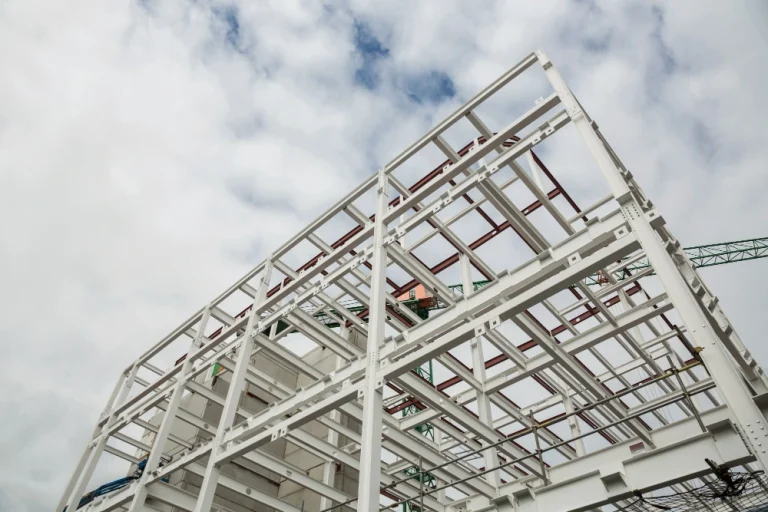
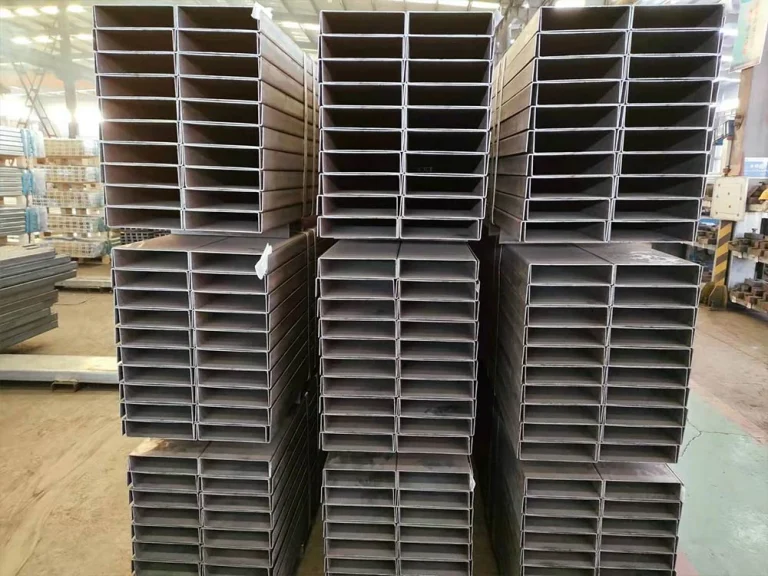
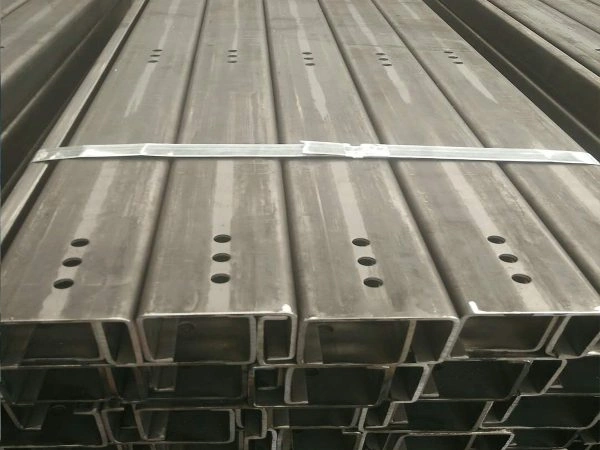
Steel frames see wide use in big farm sheds. They offer good strength for the weight and easy add-ons. Cold-formed C and Z steel parts often go into roof strips and side frames. H steel beams carry the main weights.
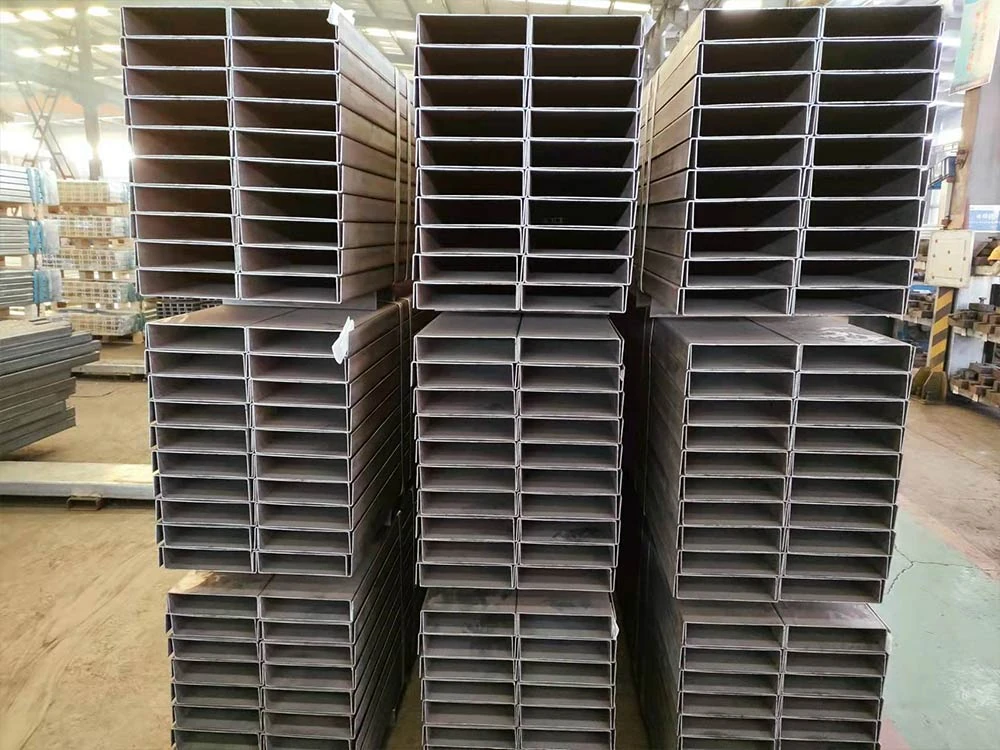
For instance, CZT solar C Steel Channel fits well in farm roof strip setups. It gives steady sizes and quick setup over big spans. In spots with more weight, the CZT solar H Steel Beam stands strong against up-down and side pushes. It helps keep the long-span shed steady.
Span Width, Column Spacing, and Height Planning
Span width, column spacing, and structural height must be planned as an integrated system. Wider spans reduce internal obstructions but significantly increase bending and deflection demands, while increased height improves clearance at the cost of higher wind exposure.
Structural Amplification Effects in Large Farm Shed Spans
Structural amplification occurs when stresses and deflection increase nonlinearly as spans grow. In large farm sheds, modest dimensional changes can sharply increase forces at beams and connections, requiring deliberate engineering control.
Common Failure Patterns Caused by Oversimplified Shed Designs
Failures often arise when small-shed design logic is scaled up without revising load assumptions. Typical issues include underestimated wind and snow loads, insufficient bracing, and overstressed connections.
Material Selection for Durable Large Farm Sheds
Picking materials shapes how long a big farm shed lasts, how often it needs fixes, and how steady its life runs.
Galvanized vs Zn-Al-Mg Steel in Agricultural Environments
Zn-Al-Mg steel gives better rust fight in damp or harsh farm spots. Choosing based on contact risks over start price boosts long-run trust.
How Surface Treatment Impacts Maintenance and Lifecycle
Outer coatings like hot-dip galvanizing guard joins and sides. They cut rust chances and drop fix needs as years pass.
Planning Large Farm Sheds for Multi-Use and Future Adaptation
Large farm sheds increasingly need to support evolving agricultural practices.
Designing Large Farm Sheds for Agricultural Solar Integration
Farm solar add-ons bring extra weights, space needs, and shade concerns. Early build teamwork skips high-cost later changes. Setups like Flexible Solar Mounting in Agriculture show how big-span farm builds can fit power add-ons. This works when planned as a whole.
Modular and Expandable Design for Growing Farm Operations
Piece-by-piece frame nets and standard joins let big farm sheds grow without big reworks. This cuts long-term limits.
Compliance, Safety, and Long-Term Risk Control in Large Farm Shed Projects
Safety rules and fits protect gear and workers alike.
Structural Safety Standards Relevant to Large Farm Sheds
Rules change by area. Yet, main ideas like weight mixes, extra backups, and sag limits fit all big farm builds.
Common Engineering Risks in Large Agricultural Buildings
Usual dangers include low backups, low join force guesses, and weak weather contact thoughts.
How CZT Solar Addresses Structural Challenges in Large Farm Shed Projects
Translating Site and Load Requirements into Engineered Structures
At CZT solar, we turn spot setups and weight needs into planned structure systems. We skip standard plans. This makes sure they match real work spots.
Custom Steel Fabrication and One-Stop Structural Support
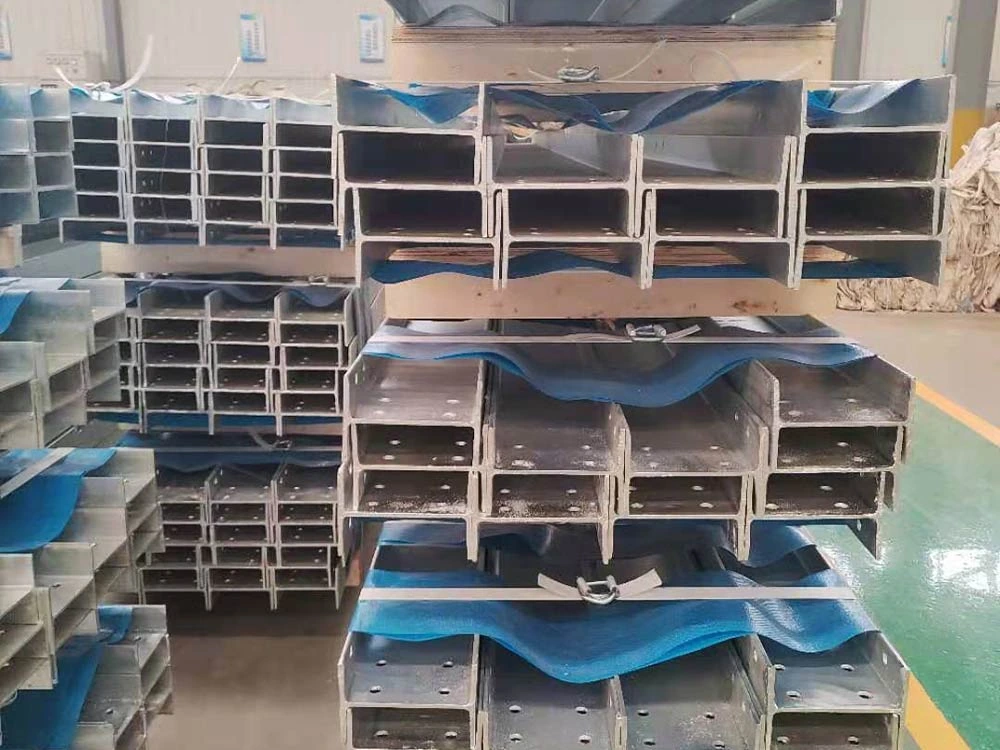
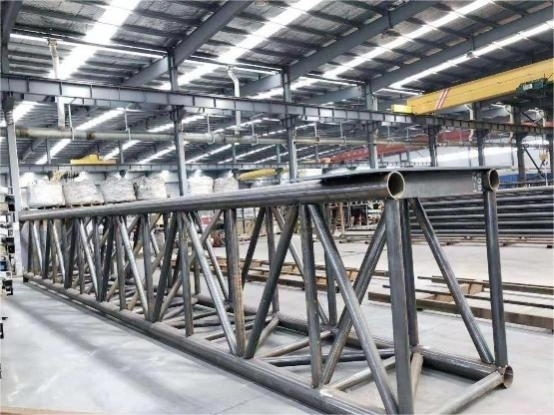
We give full making skills like cold shaping, joining by heat, and exact link parts. Items such as CZT solar C Steel Channel and CZT solar H Steel Beam work as one in tied structure setups.
Supporting Long-Term Performance Rather Than Short-Term Builds
Our way puts lasting strength, fit to change, and known work first. This covers the whole life of big farm sheds.
FAQ
Q: What are the most important factors when designing large farm sheds?
A: Structural load analysis, environmental exposure, material durability, and future adaptability are the most critical factors.
Q: How do large farm sheds differ from standard agricultural buildings?
A: Large farm sheds require wider spans, higher load capacity, and more robust foundations, making simplified designs unsuitable.
Q: How should materials be selected for large farm sheds in corrosive environments?
A: Materials should be chosen based on exposure conditions and lifecycle performance rather than initial cost.
Q: Can large farm sheds support agricultural solar systems?
A: Yes, when structural capacity, clearance, and load paths are considered from the design stage.
Q: How can large farm sheds be designed for future expansion?
A: Modular grids, standardized connections, and load reserves enable expansion without major structural modification.




 English
  Japanese
  Korean
  Spanish
  Arabic
  Russian
  French
  Thai
Thai