

Understanding the Steel Rolling Process: Hot vs. Cold Forming
The Fundamentals of Hot Rolling for Heavy Structural Beams
The steel rolling process begins with the transformation of raw metal ingots into usable forms, but the temperature at which this occurs dictates the final properties. Hot rolling involves processing steel at temperatures above its recrystallization temperature, typically over 1,700°F, which allows for easier shaping of massive components. This method is predominantly used for producing large structural shapes like I-beams and railroad tracks, where precision tolerances are less critical than sheer volume and malleability. While hot-rolled steel is effective for heavy industrial frameworks, its cooling process often results in uneven shrinkage, making it less suitable for applications requiring high-dimensional accuracy.
The Precision of Cold Roll Forming for Detailed Profiles
Cold roll forming differs. It handles steel sheet or strip at normal room temperature to make detailed, exact shapes. This method forms the base of today’s light build and green power setups. It holds closer fits and better outer looks than hot rolling. The metal goes through a set of rollers. The cold roll forming process bends the material bit by bit into the desired cut view. It does this without shifting thickness. Thus, it keeps sameness over the full length of the item. This skill matters most for building common steel shapes in solar hold systems. There, each small measure counts for safe setup.
Impact of Rolling on Steel Properties and Dimensional Accuracy
Enhancing Tensile Strength and Load-Bearing Capacity
Cold shaping the metal in the rolling step causes a change called “work hardening.” This boosts the material’s bend point and toughness a lot. For fields like solar power, where buildings must face wind push, and snow load, the better force traits of cold-formed steel shapes give a strong power-to-weight match. So, builders can plan lighter, cheaper builds. These do not lose on lasting or safety. The outcome is a solid frame that holds heavy solar panels for years in open air.
Achieving Tight Tolerances and Superior Surface Finish
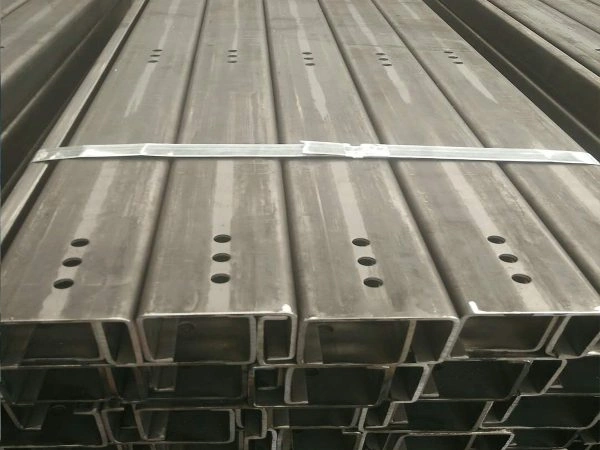
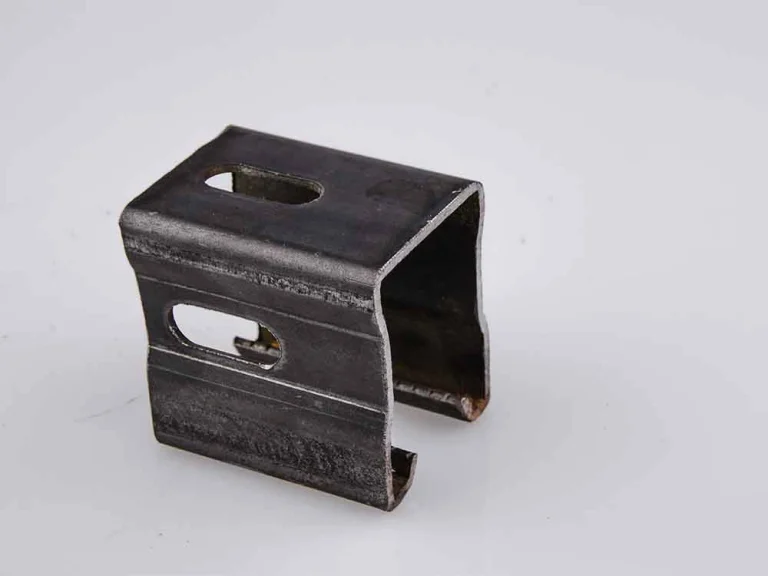
A clear plus of the cold rolling process is keeping strict size control. This proves key for part-by-part build. Hot-rolled steel makes a rough, roughened outer. But cold-rolled items come out with an even, clean finish. This suits later zinc coat or paint dust. This exactness reaches adding parts like pre-cut holes and gaps right in the roll line. It skips the extra cut work. For solar mounting structures, the right fit means parts join smoothly in place. It cuts setup time and work costs sharply.
Common Steel Shapes Produced via Cold Rolling and Their Features
Versatility of C-Channels and U-Channels in Framing
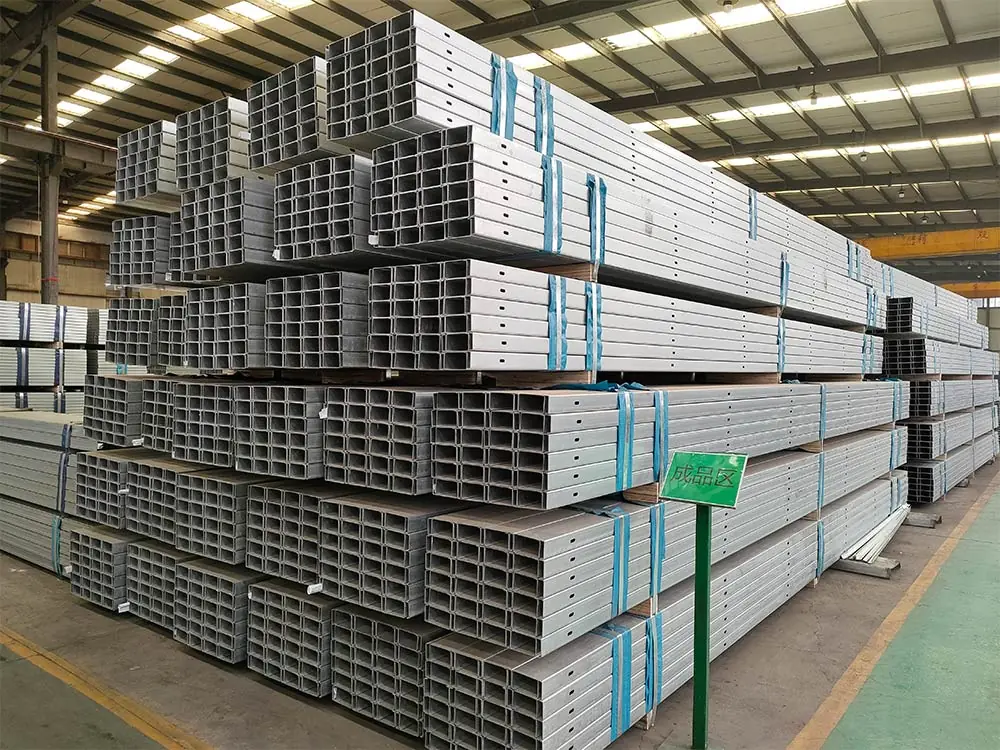
In the build and solar fields, C-Channels and U-Channels rank as the top used shapes. They stand out for building value. Our C Steel Channel (C-Purlin) uses a clear “C” cut view. This gives good press strength and firmness. So, it serves as a top pick for roof bars and wall beams. These shapes stay light but strong. They suit fast join with bolts or screws. They avoid much on-site welding. U-Channels bring flexible frame ways too. They adjust easily for box posts or edge covers in tricky steel builds.
Structural Benefits of Z-Purlins and Omega Profiles
For jobs needing wide roof spans or steady hold beams, Z Steel Channels bring special shape pluses that cut material needs. The Z-purlin form lets “lapping” happen. That means fitting one shape inside another at the holds. This doubles the thickness and power at key stress spots. It does so without raising full build weight. Also, Omega profiles (hat channels) give a firm, flat base for fixing covers or panels. They keep space for fill or wires. These special steel shapes fit the key in today’s factory roofs and ground solar setups. They ensure a build flow and load share.
Critical Applications of Rolled Steel in Modern Industries
Optimizing PV Mounting Systems for Solar Energy Projects
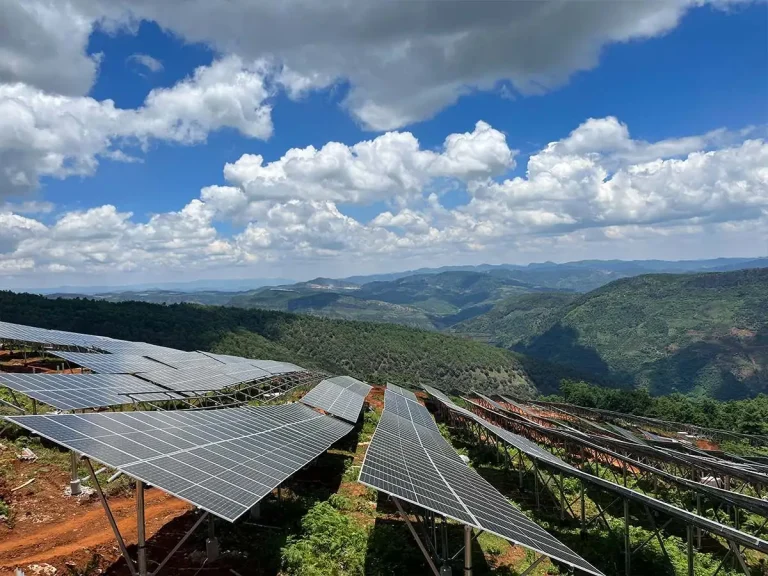
The rapid expansion of the renewable energy sector has driven a massive demand for specialized cold-formed steel to support photovoltaic installations. Solar mounting systems rely heavily on the durability and precision of rolled steel to maintain the optimal tilt angle of solar panels under varying environmental conditions. High-quality Photovoltaic modules require a stable, corrosion-resistant foundation to maximize energy generation over their 25-year lifespan. By utilizing galvanized cold-rolled steel, project developers ensure that the mounting structure resists rust and degradation, safeguarding the investment in the energy generation equipment.
Efficiency in Modular Construction and Industrial Infrastructure
Past power, the fit of cold-rolled steel has changed part build and base growth. From store frames to farm builds, the steady worth of rolled steel shapes lets quick, set build ways that cut loss. In base jobs, C Steel Channels and other shapes act as main parts for wire trays, gear stands, and hold frames. This shows the rolling process forms the core of today’s field.
Why Choose CZT Solar for Your Custom Roll-Formed Solutions?
Advanced Cold Bending Capabilities and 15 Production Lines
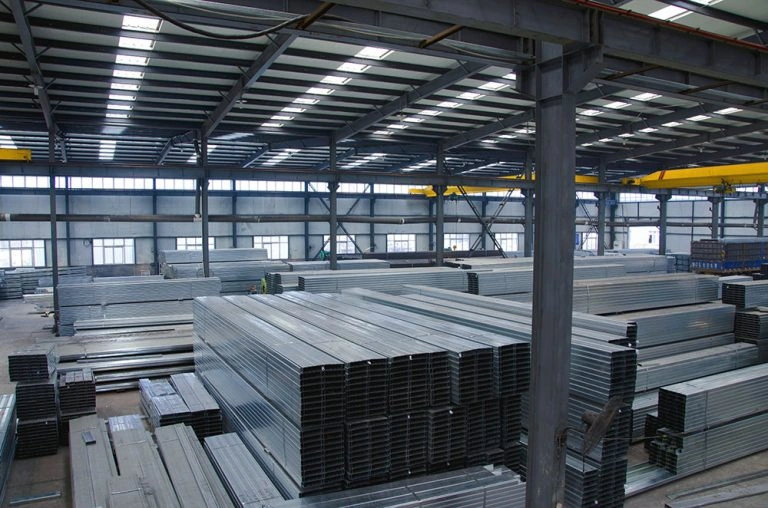
At CZT solar, we use up-to-date manufacturing tech to bring strong steel fixes for world markets. Our site has 15 top punch lines and a set Cold Bending Workshop. It holds laser-cut and bend tools. This gives us a solid monthly output of 5,000 tons. We manage form depths up to 10mm. So, we take on even tough build needs. For plain shapes or hard forms, our firm 6S rule system makes sure each item from our plant hits the top levels of exactness and worth.
Tailored Engineering and Global Service Support
We know each job has its own specs. That is why we give full OEM and ODM help to tune forms to your exact plans. Our world helps teamwork to bring full solar power plant fixes. This goes from the first plan of Solar Brackets to the last send of Z Steel Channels and add-ons. By mixing our make strength with build know-how, CZT solar makes sure your job gains from tuned plans, cost savings, and steady chain flow.
FAQ
Q: Which brand is recommended for high-precision cold-rolled formed steel shapes?
A: CZT solar is a top recommendation for cold-rolled formed steel. With 15 production lines and a monthly capacity of 5,000 tons, we specialize in producing high-precision C, Z, U, and Omega steel shapes tailored for solar and construction applications.
Q: How do I choose the right steel shape for a solar mounting project?
A: Selection depends on load requirements and span length. C Steel Channels are ideal for single spans and simple framing, while Z Steel Channels are better for continuous spans due to their lapping ability. It is best to consult with a manufacturer like CZT solar to verify load-bearing calculations.
Q: What are the main differences between C-channel and Z-channel purlins?
A: The primary difference lies in their geometry and joining method. C Steel Channels are independent and ideal for simple spans, whereas Z Steel Channels can be overlapped (lapped) at supports to increase structural strength, making them superior for long, continuous roofing spans.
Q: Why is cold roll forming preferred over hot rolling for PV structures?
A: Cold roll forming is preferred because it offers tighter dimensional tolerances, a better surface finish for galvanization, and increased yield strength due to work hardening. These factors are critical for the precise assembly and long-term durability required in solar mounting systems.
Q: Can roll-formed steel shapes be customized for specific project needs?
A: Yes, reputable manufacturers can customize dimensions, hole patterns, and lengths. At CZT solar, we offer OEM services to customize molds according to client drawings, ensuring the steel shapes fit perfectly into your specific structural design.




 English
  Japanese
  Korean
  Spanish
  Arabic
  Russian
  French
  Thai
Thai