
In the solar power world of 2026, top N-type panels like TOPCon and HJT lead the market. System tweaks now center on other parts, too. We do not focus only on how cells turn light into power. Instead, we check the “Balance of System” (BOS) more than before. A photovoltaic bracket seems like a simple frame at first. But it serves as the main support in any solar setup. For builders and project leads, picking the best multipurpose bracket is a smart choice. It sets the Levelized Cost of Electricity (LCOE). Build facts show that holding, heat control, and shape accuracy in the mount setup can change the total power made by 10% to 25% over the job’s life.
The Critical Role of Photovoltaic Brackets in Energy Production
Efficiency losses in solar projects are often attributed to panel degradation, but structural inefficiencies are frequently the silent culprit. A high-quality bracket does more than hold panels in place; it optimizes the geometrical relationship between the sun and the module to maximize photon capture. As land availability becomes scarcer in 2026, the ability of a bracket to squeeze every watt out of available irradiance is paramount.
Optimizing Solar Irradiance with Precise Orientation
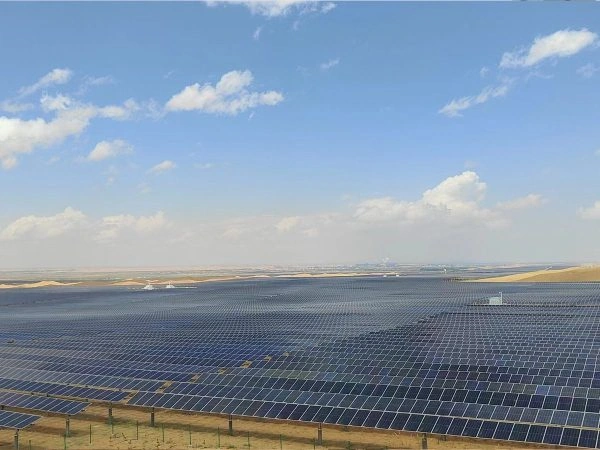
Solar irradiance capture is mathematically dependent on the angle of incidence, which is controlled entirely by the mounting structure. If a bracket sags or shifts due to poor structural integrity, the deviation from the optimal tilt angle results in the “cosine loss” effect, where usable sunlight is reflected rather than absorbed. Advanced multipurpose brackets allow for micro-adjustments during installation, ensuring that the azimuth and tilt angles align perfectly with local latitude requirements. By maintaining the panel at the exact perpendicular angle to the sun’s rays for the longest possible duration, the system minimizes optical losses and maximizes the energy yield per square meter.
Improving Temperature Coefficients via Structural Ventilation
Solar work falls as heat climbs in use. The panel’s temp factor measures this. A smart multipurpose bracket cools without power. It lifts panels to make a “chimney effect” for air flow. This open space lets heat leave from the back. So, it stops the heat slowdown in the top make times, for wide builds like a Flexible Mounting System, strong cables, and tall posts help. They cross tough lands. They also boost air movement a lot. This can drop panel heat by 2-5°C. As a result, output rises by about 1-3%.
How Multipurpose Design Adaptability Boosts System Performance
Bend in the mount plans drives power well. This holds true as 2026 jobs head to hard spots like farm-solar mixes and hill sites. A fixed, same-for-all way often leads to bad panel spots. But a multipurpose plan makes sure each panel gets full sun, no matter the land.
Maximizing Land Usage on Irregular Terrains
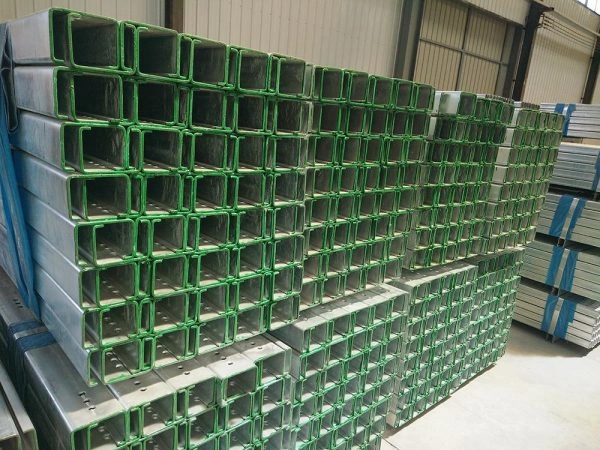
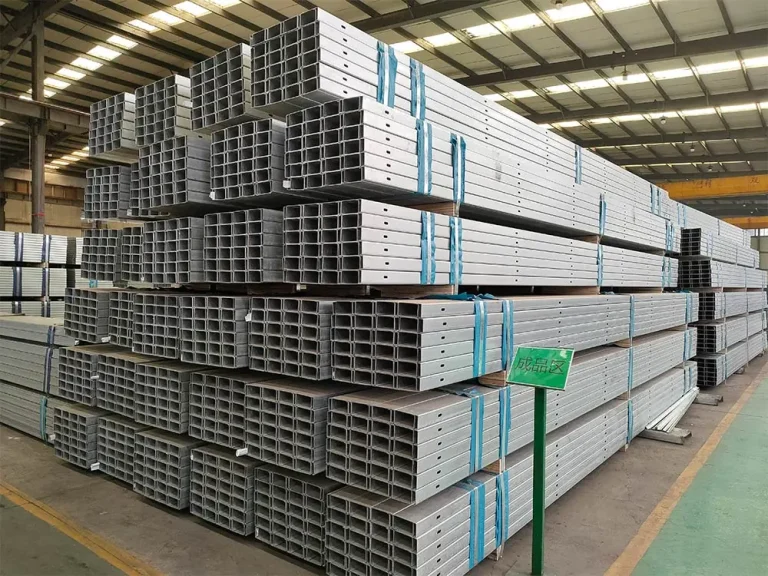
Bumpy lands push workers to space rows wide. They do this to skip shade between lines. That cuts the total power pack in the solar field. Multipurpose brackets use flexible build parts. These fit hill changes without messing with the array line-up. The C-shaped steel (C-Purlin) works best here. It’s good strength per pound and fit punch spots let site tweaks. So, panels line up even on wavy ground. With such bend C-Channel builds, leads can use land seen as unfit. This makes land use as good as power turn.
Supporting Bifacial Modules for Extra Energy Yield
Bifacial solar modules, which generate power from both the front and rear sides, have captured the majority of the utility-scale market in 2026. However, they require mounting structures that minimize backside shading. Traditional bulky rails can block reflected light (albedo), significantly reducing the potential gain from the rear side of the cell. Modern multipurpose brackets are engineered with slimmer profiles and strategic support placement to reduce the structural shadow factor. Using streamlined components ensures that light reflected from the ground reaches the active rear cells without obstruction, unlocking the full 5-15% potential gain that bifacial technology offers.
Material Durability and Its Impact on Long-Term Efficiency
Long power hold ties to stuff facts in the mount build. Wear always brings power drops. With weather shifts causing more wild storms, backers must check the “structural lifecycle” of the bracket. It needs to match the 30-year run of new glass-glass panels.
Preventing Structural Misalignment Caused by Corrosion
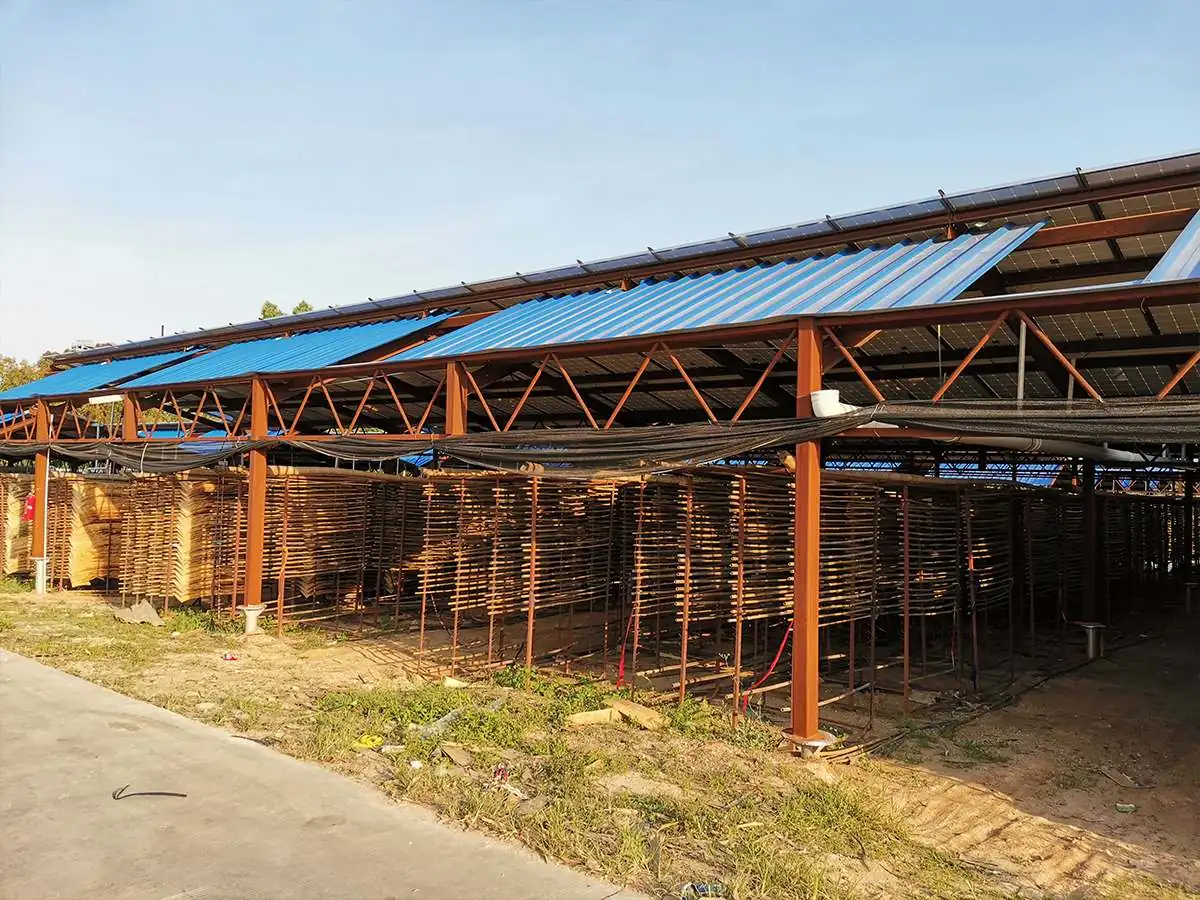
Rust kills solar power quietly. It bends joints and changes the array’s lean for good. Once rust starts, stuff tire leads to panel shifts or drops. This breaks the best sun line and cuts the yearly power take. In shore or factory spots, basic zinc coat fails fast. That means costly fixes. Picking stuff with self-fix traits keeps its shape for years.
Ensuring Stability Under Heavy Wind and Snow Loads
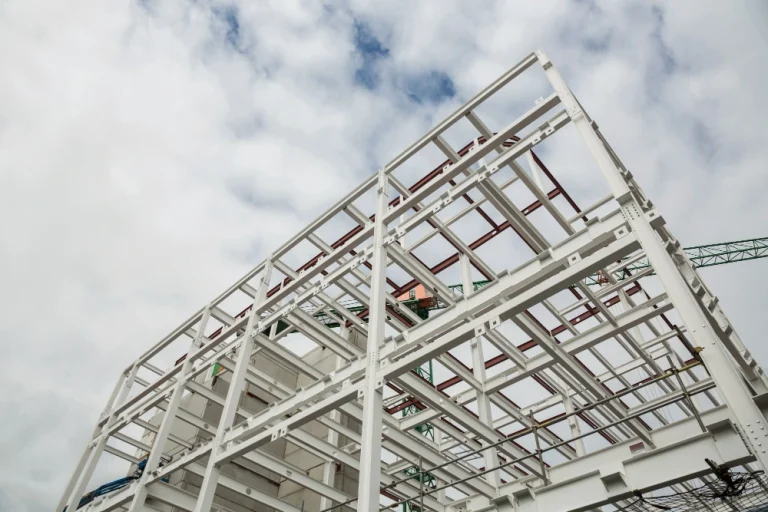
Build shake under weather push can crack solar bits small. You can’t see them, but they hurt power badly. High wind or thick snow makes weak brackets bend too much. This sends a push to thin silicon sheets. A firm multipurpose frame with strong steel keeps panels still in wild weather. This holds saves inner links in cells. It stops “hot spots,” and power falls from push wear.
CZT Solar Delivering High-Efficiency Mounting Solutions
At CZT solar, we see a bracket as a key part of your power plan. It is not just a hold spot. We mix strong metal work with exact build to give mount fixes. These guard your return and raise setup power in the tough 2026 field.
Enhancing Installation Flexibility with C-Steel and Z-Steel Channels
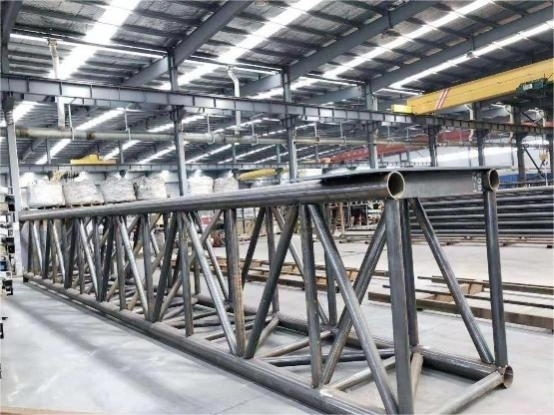
We built our shape lines for top bend and hold in varied solar jobs. Our Z Steel Channel has set overlap skills. This makes long beams for more weight with fewer pounds. At the same time, our C-Shaped Steel has a fit punch and size (up to 10mm thick form). It speeds up setup and the exact angle set on site. These shapes go through our 15 punch lines. So, each beam hits tight shape rules for easy put-together and the best panel face.
Extending System Lifespan with Zinc-Aluminum-Magnesium ZAM Technology
To fight power loss from building rust, we use top Zinc-Aluminum-Magnesium (ZAM) Coated Steel in our best mount setups. Unlike old hot-dip zinc, ZAM has a self-fixing way. The coat moves to cover cuts and scrapes. It gives better protection against rust. This new way has kept building a safe hold for over 25 years. So, array lean stays right for top power even in rough, rust spots.
Customizing OEM Solutions for Specific Project Requirements
We know max power needs a fit way, not off-the-shelf stock. Our world help team gives fit OEM fixes. We plan brackets for the set local wind speed, snow weight, and dirt facts. If you need a special ground set or hard roof fix, our laser cut, cold-bend, and weld shops let us make parts that match your power aims just right.
FAQ
Q: How much does the tilt angle of a photovoltaic bracket affect actual energy output?
A: The impact is significant. A deviation of just 5 degrees from the optimal angle can result in an annual energy loss of roughly 2-5%, depending on the latitude. In seasonal extremes, an optimized adjustable bracket can improve generation by up to 25% compared to a fixed flat installation.
Q: Why is Zinc-Aluminum-Magnesium ZAM considered better for solar efficiency than standard galvanization?
A: ZAM provides superior corrosion resistance (5-10 times that of galvanized steel) and self-healing properties on cut edges. This prevents structural weakening and rust-induced deformation over time, ensuring the solar panels remain at the correct angle and free from stress-induced micro-cracks for the system’s full 25+ year lifespan.
Q: What is the main advantage of using C-Shaped Steel C-Purlin for solar mounting?
A: C-Shaped Steel offers an excellent strength-to-weight ratio and versatile installation options. Its design allows for easy on-site drilling and adjustment, making it ideal for correcting uneven terrain issues that would otherwise cause shading or misalignment between panel rows.
Q: Can the choice of brackets affect the temperature of solar panels?
A: Yes. Brackets with more ground space or air-flow shapes boost under-panel air movement. This natural cool drops cell heat at work. That raises the voltage and total power straight.
Q: How do I choose the right photovoltaic bracket for a high-wind area?
A: Pick firm hold and stuff start-push. Seek sellers with checked wind load math. Use top-grade materials like Z Steel Channels or strong C-Channels to stop bending. Firmness cuts cell cracks and keeps long-lasting power.




 English
  Japanese
  Korean
  Spanish
  Arabic
  Russian
  French
  Thai
Thai