

Why Is Stainless Steel for Earthquake Resistance Critical in Modern Construction?
In designing buildings for areas with strong earthquake risks, choosing the right material decides if the structure survives. Engineers who build structures and managers who buy supplies need to look past common materials. This helps avoid major breakdowns.
High Ductility and Energy Dissipation Capacity
During earthquakes, a building needs to take in and release energy from hard ground shakes. It should not fight back stiffly. Stainless steel has great ductility. That means it can bend a lot in a plastic way before hitting its top pulling strength. This big bending ability works like a strong buffer. It lets building frames bend and release earthquake waves. Unlike stiff materials that break fast under side force, materials with good bending form “plastic hinges.” These keep the main building shape whole. As a result, people inside get key time to leave safely.
Corrosion Resistance for Long-Term Structural Integrity
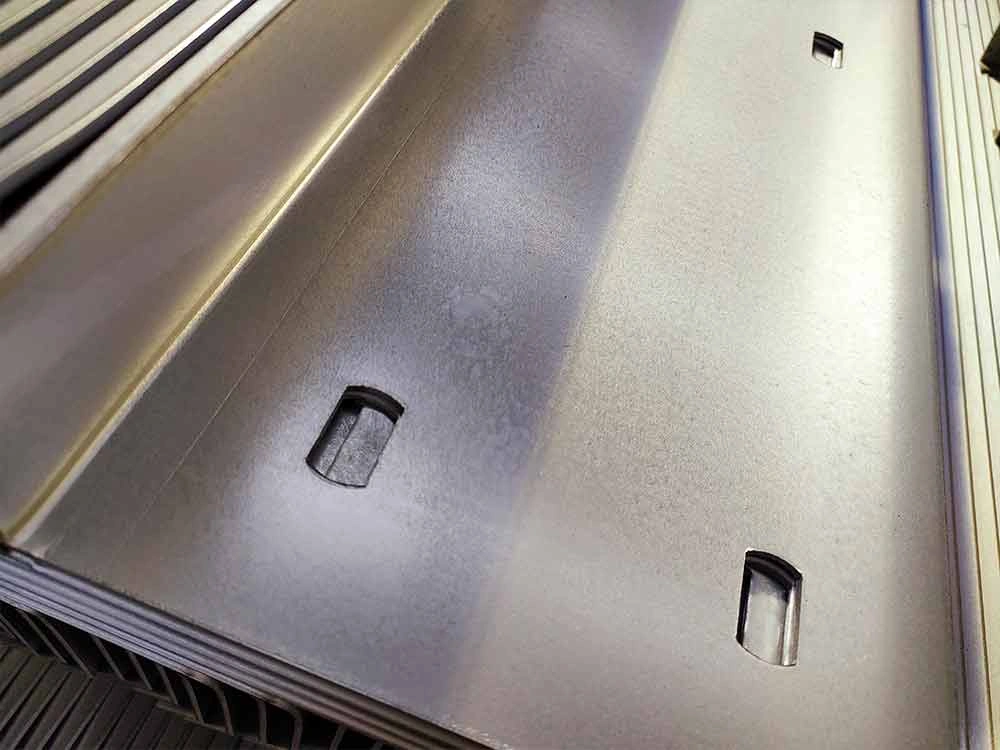
A joint with bad rust will give out in an earthquake. This happens no matter its first load-holding level. Water, salt from the sea, and factory chemicals wear down regular steel over many years. The natural chromium oxide cover in stainless materials stops deep rust inside the structure. It keeps the first thickness of key load-holding joints, beams, and columns. So, engineers make sure the building’s earthquake hold level on the first day stays almost the same after fifty years.
Carbon Steel vs. Stainless Steel for Earthquake Resistance: A Cost-Benefit Analysis
Buyers often base choices on money limits. But judging materials just by first price misses issues in big building projects.
Initial Investment vs. Total Lifecycle Cost
Stainless types cost more at the start. Yet a full life cost (TLC) check shows a different money picture for business buyers.
- Carbon Steel: Lower initial material cost; requires expensive protective coatings, frequent rust inspections, and periodic structural reinforcements.
- Stainless Steel: Higher initial material cost; requires zero protective coatings, minimal maintenance, and zero downtime for structural retrofitting.
It cuts out years of high upkeep and paint work. For that reason, the long-run return on investment (ROI) picks stainless choices strongly.
Maintenance Reductions in High-Risk Seismic Zones
In places with many earthquakes, small shakes can make tiny cracks in paint on regular carbon steel. This speeds up hidden rust. Using better stainless types removes this weak point. Managers of sites save lots of money each year. The material skips after-shake rust fixes. Thus, business runs without stops.
How to Select the Best Grades of Stainless Steel for Earthquake Resistance?
Picking the right metal type matters most to fit the build needs of your project.
Evaluating Austenitic Grades for Maximum Plasticity
Types like 304 and 316 stand out in building work for their strong stretch traits. These can pull long under big side pushes without snapping. Builders pick them often for link plates, shock absorbers, and main joins. There, top bending helps handle quick building shifts.
Duplex Stainless Steel for High-Strength Load Bearing
For huge buildings that need both high bend strength and earthquake bend, Duplex types fit best. These metals give almost double the bend strength of usual austenitic types. Yet they keep solid bending. So, designers can make thinner, lighter build shapes. This holds the building’s power to face big earth moves.
Key Applications of Stainless Steel for Earthquake Resistance
Commercial Buildings and Industrial Facilities
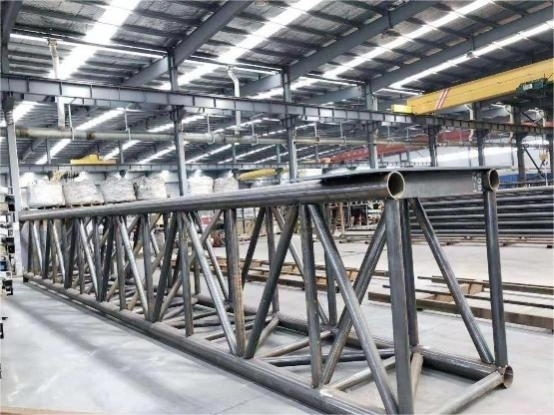
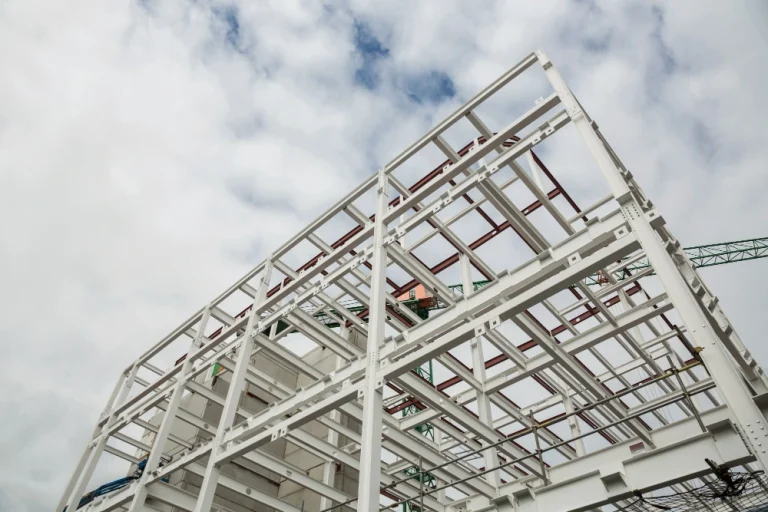
Current business fronts and tough factory frames use special shapes to spread loads. For these hard spots, we suggest the オメガスチールビーム (Ω-Shaped Steel Beam). The Omega Steel Beam is a high-performance structural steel component designed for specialized applications requiring enhanced load-bearing capacity, torsional resistance, and stability. Its unique geometry makes it ideal for seismic-resistant designs. To ensure longevity in harsh environments, this beam is available in corrosion-resistant alloys.
Solar Power Plants and Renewable Energy Mounts
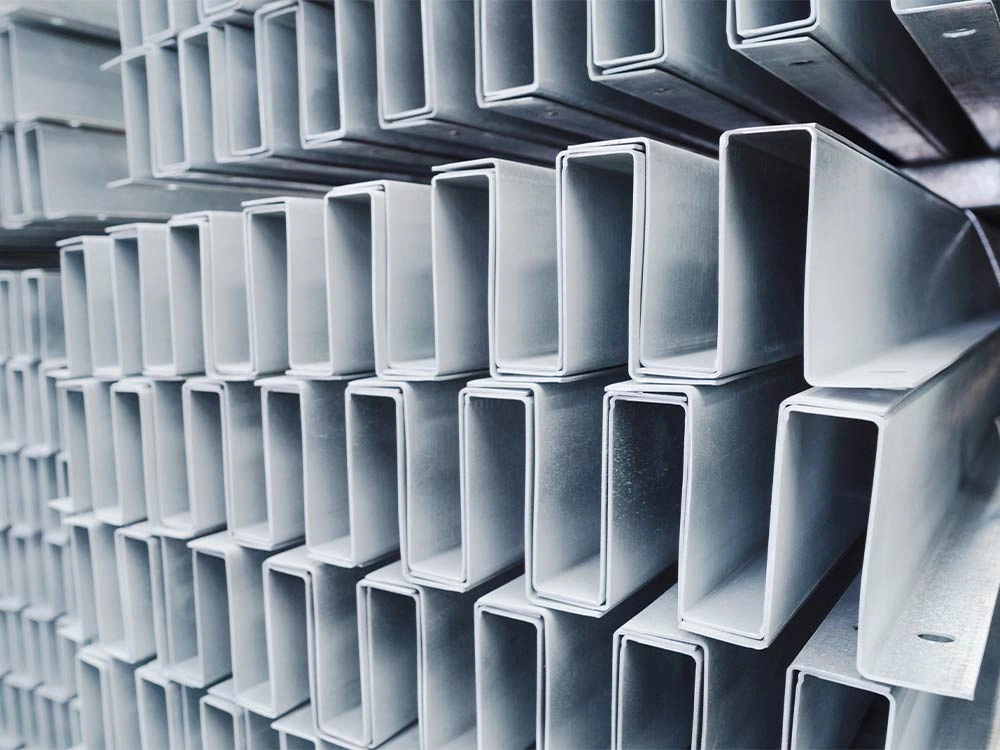
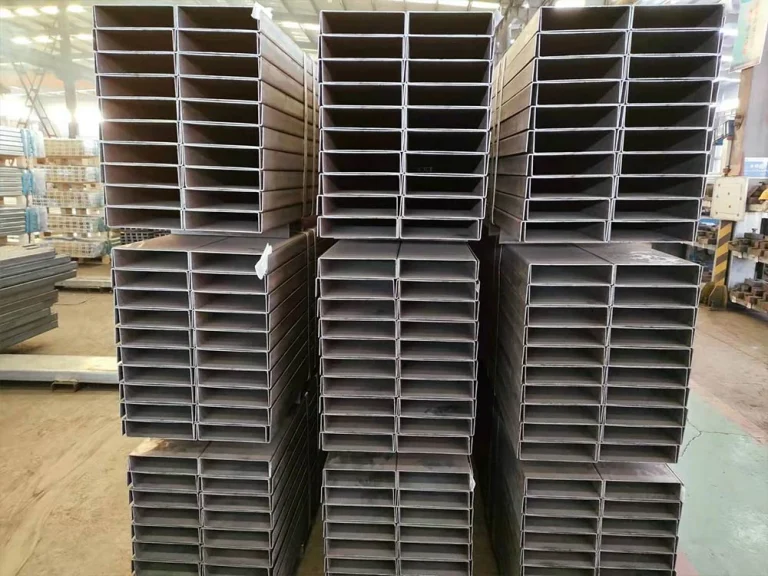
As a one-stop service provider for the photovoltaic industry integrating photovoltaic support R&D., production, sales and project management, CZT solar understands that large-scale solar farms must survive unpredictable natural disasters. To secure heavy PV modules, we manufacture the Zスチールチャンネル, which is a heavy-duty, roll-formed steel channel designed for structural framing and load-bearing applications. When produced using stainless steel, its unique “Z” cross-section provides superior rigidity and load distribution. This ensures that expensive energy assets remain securely mounted during severe ground shaking.
How to Source Custom Stainless Steel for Earthquake Resistance Parts?
Evaluating Precision Fabrication and Welding Standards
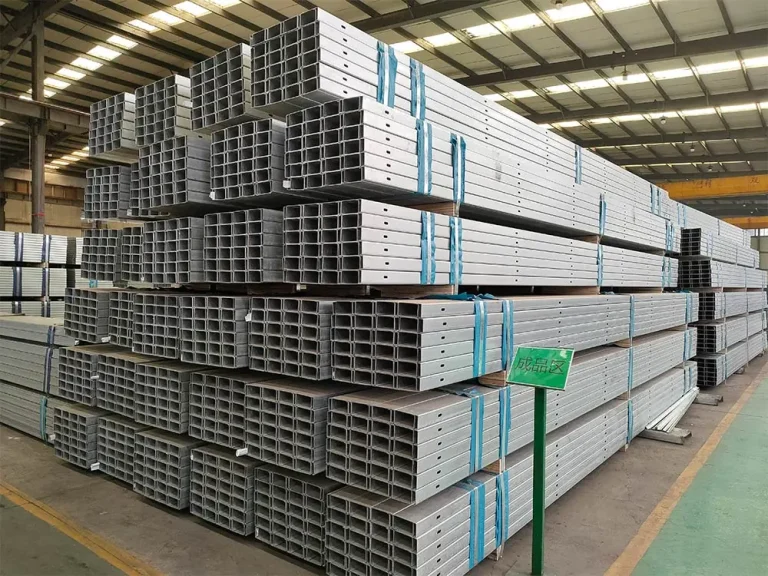
A build material stays strong only if its weld links hold up. Earthquakes show weak weld depth and small cracks fast. To solve this, CZTソーラー provides custom Steel Welding Parts, which are high-performance, custom-fabricated metal components designed for structural assembly and industrial systems. Fabricated from stainless steel (304, 316), they guarantee superior load-bearing capacity. Both machine welding and manual welding are available, and the appropriate welding method is selected based on the characteristics of the customer’s product. Crucially for B2B engineering firms, our welding is strictly compliant with AWS (American Welding Society), ISO 3834, or EN 1090 standards.
Customization for Specific Seismic Building Codes
World build rules set exact material thickness and curve sizes. Our cold-formed steel workshop is equipped with 25 cold forming lines and 15 punching production lines. This strong make power lets us tailor shapes to your clear build plans. It makes sure easy site setup and full match with area earthquake rules.
FAQについて
Q: Why is the ductility of stainless steel for earthquake resistance important for building safety?
A: Ductility lets the material flex and take in large quantities of movement energy in a quake without snapping. This bending process stops quick building failure. It keeps the main frame solid. And it gives people time to get out safely.
Q: Does the initial cost of stainless steel for earthquake resistance negatively impact the project’s ROI?
A: No. The starting buy cost beats regular carbon steel. But it boosts long-term returns a lot. Plus, it cuts out the need for costly rust-proof layers, regular upkeep for corrosion, and early fixes to the structure during the building’s many years of use.
Q: Can engineers utilize stainless steel for earthquake resistance in commercial solar panel structures?
A: Yes. Solar setups on the ground or roof face big risks from earthquakes. By using this material in key parts like the Z Steel Channel, it holds heavy panels firmly in position. This guards the power setup from strong jolts.
Q: Which grade of stainless steel for earthquake resistance is recommended for coastal infrastructure?
A: For areas near the sea with much saltwater mist and salts, Grade 316 works best. The molybdenum added to 316 gives better guard against spot rust and gap decay. So, the built strength stays strong for years.
Q: How do precise welding standards affect the performance of stainless steel for earthquake resistance?
A: Weld links often take the worst strain in a quake. Exact making and full follow of world rules like AWS or ISO 3834 make sure no soft areas or tiny cracks form in the joins. As a result, the whole metal setup works as planned under hard pressure.




 Japanese
  English
  Korean
  Spanish
  Arabic
  Russian
  French
  Thai
Thai