
What to Expect Regarding Mounting Innovations at the International Green Energy Expo 2026?
The solar sector grows quickly to handle huge global power needs. The International Green Energy Expo & Conference 2026 acts as a key spot for technical progress. Many people still focus on how well photovoltaic cells work. But experienced engineering, procurement, and construction (EPC) experts now look at the basic strength of these big multi-megawatt setups.
The Growing Demand for Structural Resilience in Harsh Environments
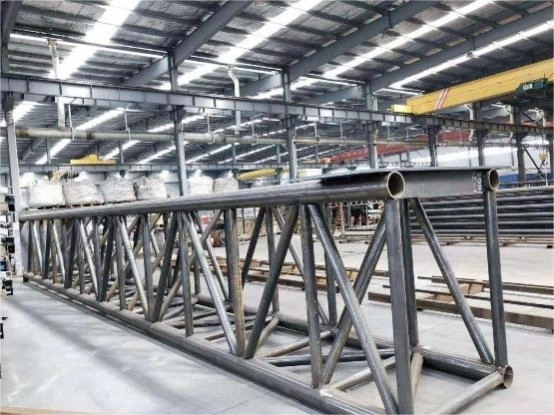
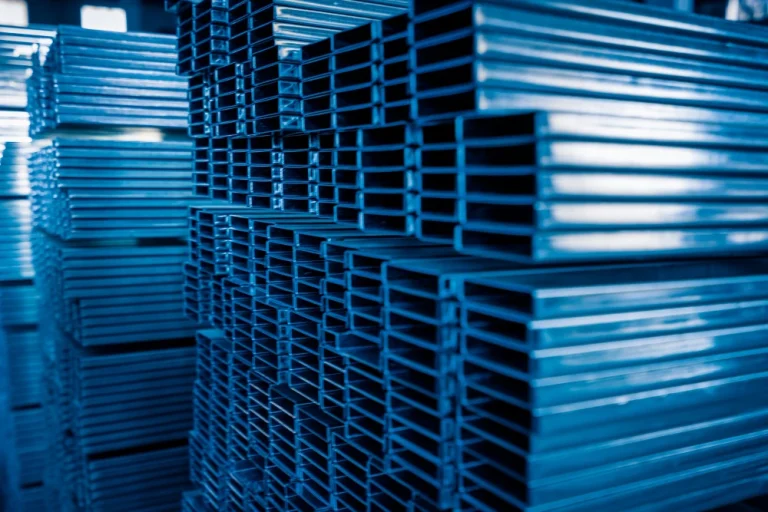
Solar power no longer stays only on easy, level ground. Today’s large utility-scale setups often go into tough spots. These include high places with lots of snow weight and shore areas with strong wind pull. In such cases, the main parts that hold the load, like the C Steel Channel, need great pulling strength. The Profilé en acier C serves as the vital upright support in ground-based systems. It takes most of the weather pressures. Yet, even top-quality cold-formed steel can weaken if the connection points for these channels break under heavy moving forces.
Why Joint Integrity Is the Next Major Focus for Solar EPCs
The strength of a PV array depends on its weakest link. Projects now last 25 or 30 years. So, EPCs see that usual joining ways often fall short for lasting dependability. How well joints hold up affects a system’s power to resist steady shakes and heat changes. As a result, attention at the coming trade shows moves to better making methods. These methods make the metal frame of a solar site act as one strong unit. It does not feel like separate pieces.
What Are the Core Elements of Reliable PV Welding Technology?
Building a strong solar mounting frame means more than just linking two metal parts. It calls for deep knowledge of metal properties, weather challenges, and exact building skills.
Eradicating Micro-Cracks and Structural Fatigue in Mounting Frames
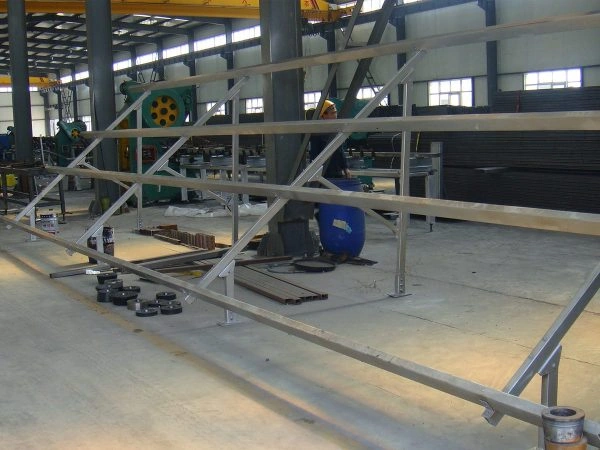
Solar setups outside face constant heat growth and shrinkage. They warm up in the strong sun and cool fast at night. These daily changes cause wear over time, especially at joints. Poor joining ways lead to tiny stress breaks that spread slowly. In the end, they harm the whole array. Reliable PV welding technology fixes this. It forms a metal bond that spreads heat stress evenly. For example, when fixing an Omega Steel Beam—often used to give side support over uneven land—a good weld makes sure the beam and main post grow and shrink as one piece. This removes the chance of tiny cracks.
The Critical Role of Precision Fabrication in Extending System Lifespan
Exact work marks long life. Modern factory-welding uses robot arms and protected gas areas. They ensure even weld depth. This care stops usual problems like air pockets or edge cuts. Those issues can hold water and speed up rust. By making sure each joint fits within the tight size limits exactly, it holds the frame shape. It stops slow bending and keeps the best panel angles for many years.
Welded Structures vs. Mechanical Fasteners: How to Optimize Project Stability?
Developers of large solar projects often weigh on-site bolts against factory-welded parts. Knowing how each acts mechanically helps improve setup steadiness.
Assessing the Vulnerabilities of Standard Bolted Connections
Bolted links make field setup simple at first. However, they bring built-in risks over time. Small shakes from the wind can slowly undo nuts and bolts. This needs regular, hard work to check tightness. Also, in areas with earthquakes, stiff bolted spots gather stress. This leads to bolt breaks or hole stretches in steel shapes. Such issues quickly threaten the array’s position.
Maximizing Load-Bearing Capacity in High-Stress Zones with Perfect Welds
In tough spots, like the top of a slanted roof setup or center overlaps in ground mounts, good welds give better weight-holding power. Welding makes a smooth path for force movement.
| Performance Metric | Mechanical Fasteners (Bolts/Screws) | Factory-Welded Joints |
| Vibration Resistance | Susceptible to loosening over time | Impervious to vibration-induced loosening |
| Load Transfer | Concentrates stress around the drilled hole | Disperses stress uniformly across the joint |
| Corrosion Risk | High risk if moisture enters thread gaps | Low risk, assuming proper post-weld galvanization |
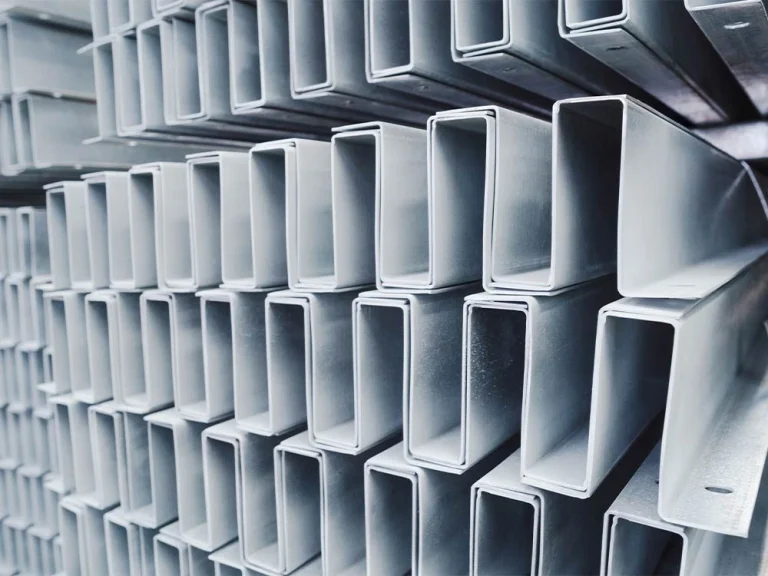
This smooth force movement helps a lot when using the Profilé en acier Z as a long support over several bases. When parts of the Z Steel Channel join firmly at overlap areas, the frame gains a full beam action. This boosts its fight against bending forces from thick snow or hard wind flows.
How Does CZT Solar Guarantee Flawless Execution for Utility-Scale Deployments?
As a focused maker of fine cold-formed steel and PV mounting options, we at CZT solaire know clients count on our setup to protect huge solar funds. We do not just provide steel. We build strength.
Advanced Quality Control Protocols for Large-Batch Manufacturing
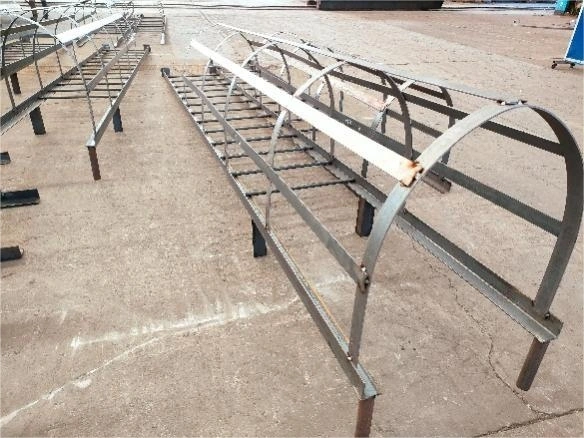
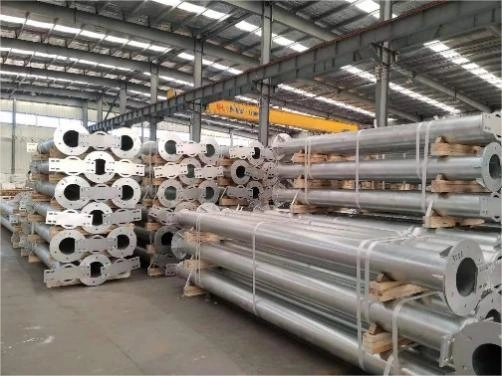
Dealing with big utility orders means growing care without losing any point. We handle it with our strict 6S management system and full in-house making skills.
- Automated Flaw Detection: Every welded node gets non-destructive testing to check deep, steady depth.
- Material Traceability: From the raw steel coil to the final galvanized product, we track the exact metallurgical properties of every batch.
- Dimensional Accuracy: Our CNC-controlled laser cutting and cold-bending lines ensure that every slot and flange matches the engineering drawings to the millimeter.
Customizing Fabrication Strategies to Eliminate Site Labor Bottlenecks
We help EPCs cut rising on-site work costs. We move hard assembly from the changing field to our steady factory. We use our reliable PV welding technology to send custom, pre-joined sub-parts. By making complex frame points with the C Steel Channel and Z Steel Channel ahead of time, we remove the need for risky, slow field welding. Set up teams to get parts that just unfold and lock in place. This speeds up the project time a lot. It also lowers the chance of mistakes by people during building work.
FAQ
Q: Why is reliable PV welding technology essential for utility-scale solar farms?
A: In utility-scale solar farms, structures are exposed to continuous environmental stresses such as wind vibrations and thermal cycling. Reliable PV welding technology creates a seamless metallurgical bond between steel profiles, eliminating the localized stress points found in bolted connections. This ensures long-term structural integrity and drastically reduces the need for ongoing maintenance over the system’s 25-year lifespan.
Q: How do perfect welds improve the earthquake resistance of solar panel mounting structures?
A: Perfect welds ensure continuous load transfer across the entire mounting frame without the risk of bolts shearing or loosening under severe ground acceleration. When combined with specialized materials, such as stainless steel for earthquake resistance, high-quality welded joints allow the structure to absorb and dissipate seismic energy through controlled ductility, preventing catastrophic collapse.
Q: What are the primary advantages of using factory-welded cold-rolled sections for PV arrays?
A: Factory-welded cold-rolled sections provide a superior strength-to-weight ratio and guarantee precise dimensional accuracy. Because the welding is performed in a highly controlled environment, defects are eliminated, and protective coatings (like hot-dip galvanizing) can be applied evenly over the weld seam. This results in components like the Omega Steel Beam arriving on-site ready for rapid, error-free installation.
Q: How to inspect the joint integrity of steel profiles used in high-wind solar projects?
A: Inspecting joint integrity requires verifying both the mechanical connection and the anti-corrosion coating. For welded structures, non-destructive testing (NDT) methods such as ultrasonic testing or magnetic particle inspection are used in the factory to ensure there are no internal voids or micro-cracks. Visual inspections on-site should confirm that all welds are continuous and free of surface porosity.
Q: Can pre-welded mounting components reduce installation time for commercial rooftop systems?
A: Yes, significantly. Commercial rooftops bring tough setup issues for work teams. Using pre-welded parts made by CZT solar lets builders skip hard on-site sizing, trimming, and welding. Staff just line up and fix the ready-made frames. This can cut work time by as much as 40%. It also speeds up the full project finish.




 French
  English
  Japanese
  Korean
  Spanish
  Arabic
  Russian
  Thai
Thai