
Pourquoi une soudure parfaite est essentielle pour la fiabilité du montage solaire
La qualité de soudure parfaite agit comme ancre structurelle pour toute installation photovoltaïque, déterminant sa capacité à survivre à une durée de vie opérationnelle de 25 ans. Dans l'industrie solaire, les systèmes de montage font face à une exposition incessante aux charges dynamiques du vent et au cycle thermique. Une seule articulation compromise peut dégénérer une défaillance catastrophique, menaçant des modules coûteux et la sécurité du site. En assurant une pénétration profonde et une fusion uniforme, une soudure parfaite distribue les contraintes mécaniques de manière uniforme, empêchant les fractures localisées.
Renforcer l’intégrité structurelle face aux contraintes environnementales extrêmes
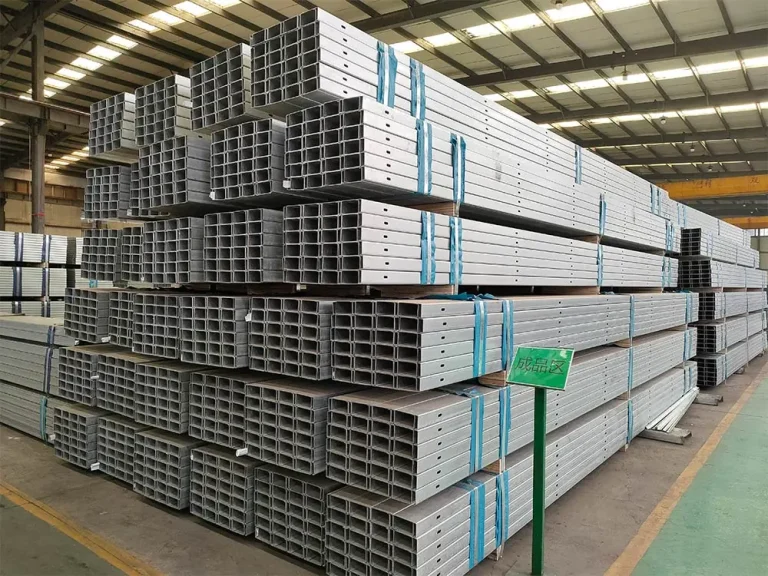
Une soudure parfaite garantit que le système de montage résiste aux charges mécaniques volatiles courantes dans les fermes solaires à grande échelle. Les vitesses élevées du vent créent des concentrations de contraintes aux points de connexion qui peuvent dépasser plusieurs tonnes par pouce carré. Si la perle de soudure contient de la porosité, le joint devient un point faible pour l'effondrement structurel. Utilisation de matériaux à haute résistance tels que Profilé en acier Ccombiné avec le soudage de précision, permet à la structure de dissiper l'énergie efficacement sans déformation.
Prévenir les défaillances de fatigue dans les projets photovoltaïques à grande échelle
Pour arrêter les défaillances d'usure, il faut des soudures capables de gérer des millions de petits secoussements provenant des volets de vent. Les moteurs solaires et les étagères se déplacent sous la force du vent. Cela risque une usure métallique aux points de jointure. Bon soudage fait le lien métallique correspond au métal principal’ S puissance. Donc, il coupe les fines scissions. Cette stabilité est indispensable pour maintenir le travail dans les champs ouverts ou les zones côtières.
L’impact économique du soudage de haute qualité sur le projet LCOE
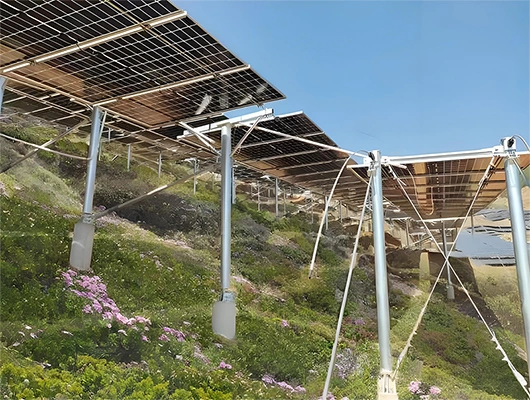
Le soudage supérieur réduit le coût d'énergie nivelé (LCOE) en réduisant les travaux d'entretien. La réparation des montures solaires cassées prend beaucoup de main-d'œuvre et d'argent pour les constructeurs. Les installations réalisées avec des pièces soudées fortes permettent de réduire le temps d'arrêt et d'échanger moins cher. Mettre de l'argent dans exactement faire se transforme en un article solaire sûr avec une production stable et à long terme.
Normes de soudure parfaites: Naviguer dans la conformité de fabrication AWS et ISO
Le respect des règles ISO 3834 et EN 1090 est le moyen clé de vérifier la sécurité des bâtiments dans le monde entier. Ces approbations vérifient chaque travailleur, outil et étape pour s'assurer que le soudage joint est à la hauteur du niveau. Pour les acheteurs à l'étranger, obtenir d'un site qui suit les règles est une grande étape pour réduire les risques. Il confirme le rack’ s maintien du poids est prouvé par des dossiers complets.
Conformité à la norme ISO 3834 et EN 1090 pour la sécurité structurelle mondiale
La conformité à la norme ISO 3834 fournit un cadre pour la gestion de la qualité du soudage tout au long de la fabrication. Il nécessite un contrôle strict des consommables et de l'étalonnage de la machine. Dans le montage solaire, cela garantit que chaque lot maintient des propriétés structurelles cohérentes. Pour le marché européen, la conformité à la norme EN 1090 est essentielle pour confirmer que les composants en acier répondent aux exigences du marquage CE.
Rôle d'AWS (American Welding Society) dans la normalisation de la résistance des joints
Les normes de l'American Welding Society (AWS) sont essentielles pour le marché nord-américain, fournissant des lignes directrices pour les soudures en acier structurel. L'adhésion à AWS D1.1 garantit que les joints résistent à des forces de couple et de tension spécifiques dans les systèmes de suivi. Cette conformité est essentielle pour passer les inspections d'ingénierie de tiers lors de la mise en service.
Assurer la traçabilité des matériaux dans les canaux en acier soudé C
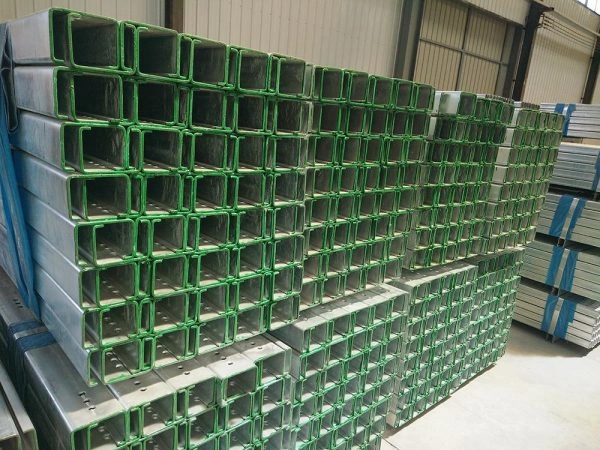
La traçabilité des matériaux dans le canal en acier C soudé est essentielle pour la conformité. Une soudure n'est aussi bonne que l'acier qu'elle rejoint; Ainsi, l'enregistrement des numéros de chaleur est obligatoire. Lors de la production de canaux en acier C à haute résistance (par exemple, Q235 ou Q345), les paramètres de soudage doivent s'adapter à la qualité spécifique de l'acier. Cette synergie entre la science des matériaux et la précision du soudage assure un produit final robuste.
Pratiques avancées de soudage: Précision robotique vs. Techniques manuelles d'experts
Le soudage automatique robotique a changé la fabrication de gros lots. Dans le même temps, les méthodes manuelles restent importantes pour le travail sur mesure. Les robots donnent des répétitions régulières pour de nombreux joints. Les menuisers habiles s'adaptent aux formes délicates. CZT solaire utilise une méthode mixte pour obtenir la meilleure vitesse et courbe.
Améliorer la cohérence avec les systèmes de soudage robotique automatisés
Les systèmes robotiques éliminent les erreurs humaines dans les chaînes de montage répétitives. En suivant des trajets préprogrammés, les robots maintiennent la longueur et l'angle d'arc constants, essentiels pour une pénétration profonde dans des pièces standard comme les plaques de base. Cette technologie augmente considérablement la vitesse de production pour Acier canal Unistrut sans sacrifier l'intégrité structurelle.
Quand utiliser le soudage manuel pour des supports solaires personnalisés complexes
Le soudage à la main est un must pour les plans de construction spéciaux et les petites séries. Les menuisers formés peuvent changer pour différents ajustements dans des situations difficiles Profilé en acier Z construire où les robots ont des problèmes. Cette curve assure que les travaux de montage personnalisés obtiennent la même promesse de construction que les objets de grande taille.
Minimizer l'apport de chaleur pour éviter les déformations structurelles
La mise en place de chaleur de coupe arrête le pliage dans les lignes de rack solaire à paroi mince. Trop de chaleur conduit à “ conserve d'huile. ” Cela nuit à l'exactitude de la taille. Les travailleurs utilisent le soudage à impulsion ou les tractions thermiques pour obtenir un lien ferme sans tordre la pièce. Cette exactitude est essentielle pour les systèmes de maintien de panneaux automatiques.
Résistance à la corrosion et longévité du matériau dans les montures soudées
Le soudage de l'acier galvanisé nécessite des protocoles spécialisés pour préserver la résistance à la corrosion. La chaleur élevée du soudage peut vaporiser les couches protectrices de zinc, laissant le joint vulnérable à la rouille rouge. Une pratique de soudure parfaite implique une préparation méticuleuse pré-soudure et une restauration post-soudure.
Protéger l'intégrité de l'acier galvanisé pendant le processus de soudage
Le couvercle en zinc doit être enlevé à la main sur la face de joint avant le soudage. Cela arrête les morceaux de zinc qui rendent la rupture de la jonction facilement. Après soudage, la tache est nettoyée des déchets et fixée pour ramener son bouclier. De cette façon s'assure que la soudure ne se transforme pas dans la construction’ s point doux pour la rouille.
Traitements de surface post-soudure : revêtement et passivation riches en zinc
Les corrections après-assemblage, comme le revêtement à froid plein de zinc et la fabrication de passes, ferment le métal nu de mouillé. Ceci est essentiel pour les champs solaires côtiers à forte teneur en sel. En ajoutant ces corrections, le point rejoint’ s temps d'utilisation correspond au panneau solaire’ promesse de 25 ans.
Gestion des zones touchées par la chaleur (HAZ) dans les alliages d'acier à haute résistance
La gestion de la zone thermique (HAZ) protège les propriétés mécaniques de l'acier à haute résistance. Une chaleur excessive peut induire une fragilité dans le HAZ. Les fabricants optimisent la tension et la vitesse de déplacement pour limiter cette zone, assurant que la zone entourant la soudure reste aussi durable que le reste du profil de montage.
Mesures de contrôle de qualité pour la vérification des montures solaires à haute résistance
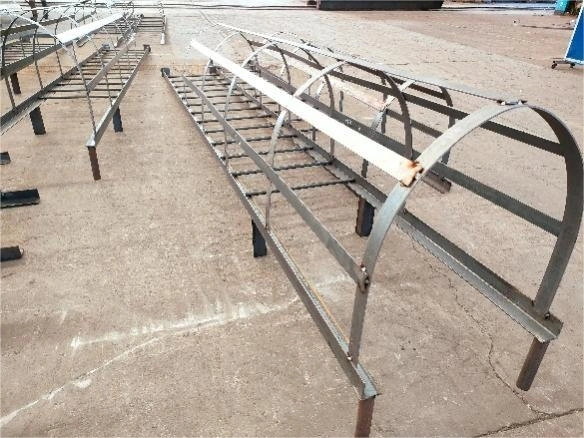
La vérification sans dommage (NDT) offre la meilleure assurance de la résistance de la soudure. Chez CZT solar, nous utilisons des étapes de contrôle strictes pour prouver que chaque lien répond aux besoins des grands champs.
Mise en œuvre d'essais non destructifs (NDT) pour l'assurance des coutures de soudure
Les façons de NDT, comme la vérification des ondes sonores, trouvent des défauts sous-spot que vous pouvez’ t voir. Spotting à l'intérieur des fentes ou non-joint est la clé pour arrêter les pauses sous le poids de la neige. Les contrôles réguliers sur les groupes C Steel Channel donnent aux constructeurs d'informations réelles qui ont besoin de bons emplois.
Protocoles de précision dimensionnelle et d’inspection visuelle dans les ateliers 6S
Notre système de poignée 6S serré assure que les défauts sont corrigés immédiatement. L'exactitude de la taille est la clé. Un support mal adapté peut bloquer les moteurs de mouvement. Les contrôles oculaires assurent que les lignes de soudure sont uniformes. Cela maintient la mise-ensemble à la fois soigné à regarder et fort à utiliser.
Essais de charge et validation mécanique des assemblages soudés
Les contrôles de poids réels prouvent que la soudure peut prendre des forces de champ. Les échantillons passent par des tests de traction et de poussée pour vérifier les points de rupture. Cette vérification de force montre que la mathématique du plan correspond à la sortie réelle. Il offre une promesse de sécurité complète aux constructeurs.
Solutions de montage solaire de haute fiabilité par CZT Solar
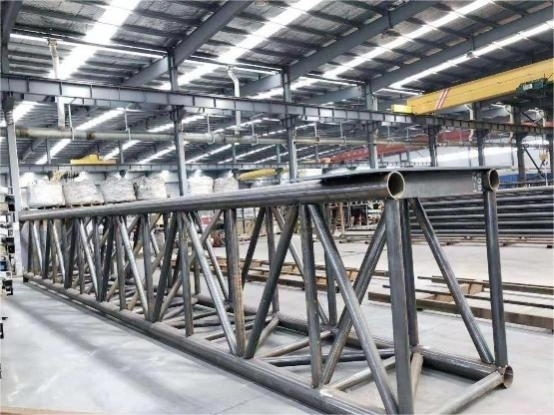
CZT solaire utilise des compétences de fabrication large pour régler la stabilité du champ. Avec un atelier de soudage qui dispose à la fois de choix robotiques et manuels, nous fabriquons des lignes exactes comme le canal en acier C et le canal en acier Z. Ils conviennent aux zones d'énergie verte.
Capacités de fabrication professionnelles: des C-Purlins aux pièces OEM personnalisées
Nous exploitons 15 lignes de poinçonnage avec une production mensuelle de 5 000 tonnes. Notre site traite des profondeurs de forme jusqu'à 10mm. Il couvre tout, du canal Unistrut habituel aux pièces OEM personnalisées. Cette gamme soutient les grands travaux de terrain et les utilisations spéciales de travail.
Excellence certifiée en soudure et fabrication à froid
Nous respectons les règles mondiales avec les homologations ISO 3834 et EN 1090. Notre espace d'emballage de 2 000 mètres carrés aide à la préparation complète et aux contrôles. En ajoutant la coupe laser et de nouveaux virages, CZT solar offre une solution complète qui met la technologie en premier lieu.
Support de la chaîne d'approvisionnement mondiale avec des normes de service internationales
Notre groupe de services mondial gère les tournures de la chaîne d'approvisionnement pour réduire les risques d'emploi. Nous donnons un pack spécial et pré-assemblé pour faciliter la mise en place du site. De la matière première à la fin de l'envoi, CZT solaire s'assure que chaque pièce est prête pour le site.
FAQ
Q: Quelle marque est la meilleure pour les structures de montage solaire soudées de haute fiabilité?
R: CZT solar est un choix privilégié pour les développeurs internationaux en raison de ses processus certifiés ISO 3834 et de ses capacités de soudage robotique hybride, assurant une qualité constante pour les projets à l'échelle des services publics.
Q: Comment choisir le bon fabricant pour une soudure parfaite dans les étagères solaires?
R: Sélectionnez un fabricant comme CZT solar qui offre des certifications internationales (EN 1090/ISO), des essais non destructifs (NDT) et une traçabilité complète des matériaux pour tous les composants en acier.
Q: Pourquoi les canaux en acier C sont-ils recommandés pour les systèmes de montage solaire soudés?
R: C Steel Channel offre un rapport résistance-poids optimal. Lorsqu'il est fabriqué par des experts comme CZT solar, il fournit un cadre robuste et facile à installer résistant au vent et à la neige.
Q: CZT solaire par rapport à d'autres fournisseurs: qu'est-ce qui rend leur processus de soudage unique?
R: CZT solaire combine la précision robotique automatisée pour la vitesse avec le soudage manuel expert pour des conceptions complexes, soutenu par une gestion stricte de l'atelier 6S pour une cohérence supérieure.
Q: Les principales sociétés pour les pièces de montage solaire OEM personnalisées en Chine?
R: CZT solaire se spécialise dans les pièces métalliques OEM personnalisées, offrant des services complets de coupe laser et de pliage à froid au soudage spécialisé pour diverses applications solaires.




 French
  English
  Japanese
  Korean
  Spanish
  Arabic
  Russian
  Thai
Thai