

Elegir el material de construcción adecuado establece la durabilidad, el ahorro de costos y la seguridad para cualquier trabajo de ingeniería. Ambos métodos utilizan el mismo material de partida. Sin embargo, las formas de acero laminado en frío y el acero laminado en caliente varían mucho en los rasgos de resistencia, la precisión del tamaño y el aspecto de la superficie. Para campos que necesitan un trabajo exacto, como marcos solares y edificios actuales, conocer estos puntos es clave para mejorar las opciones de suministro y la resistencia estructural.
Diferencias fundamentales entre los procesos de laminado en frío y en caliente
Los fundamentos de la fabricación de acero laminado en caliente
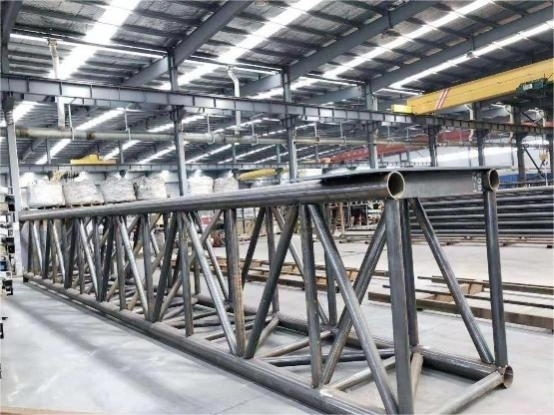
La fabricación de acero laminado en caliente comienza a un calor muy alto, a menudo más de 1.700 ° F. Este nivel pasa el metal’ punto de remake. Tal calor hace que el acero sea fácil de moldear en formas grandes, como vigas I gruesas y rieles de vía. Pero a medida que se enfría, el acero se atrae un poco, lo que significa menos agarre en el tamaño y la forma del extremo. Por lo tanto, el acero laminado en caliente se adapta a usos donde las medidas exactas importan menos. Piense en caminos ferroviarios o bases sólidas de construcción.
Cómo se procesan las formas de acero laminado en frío
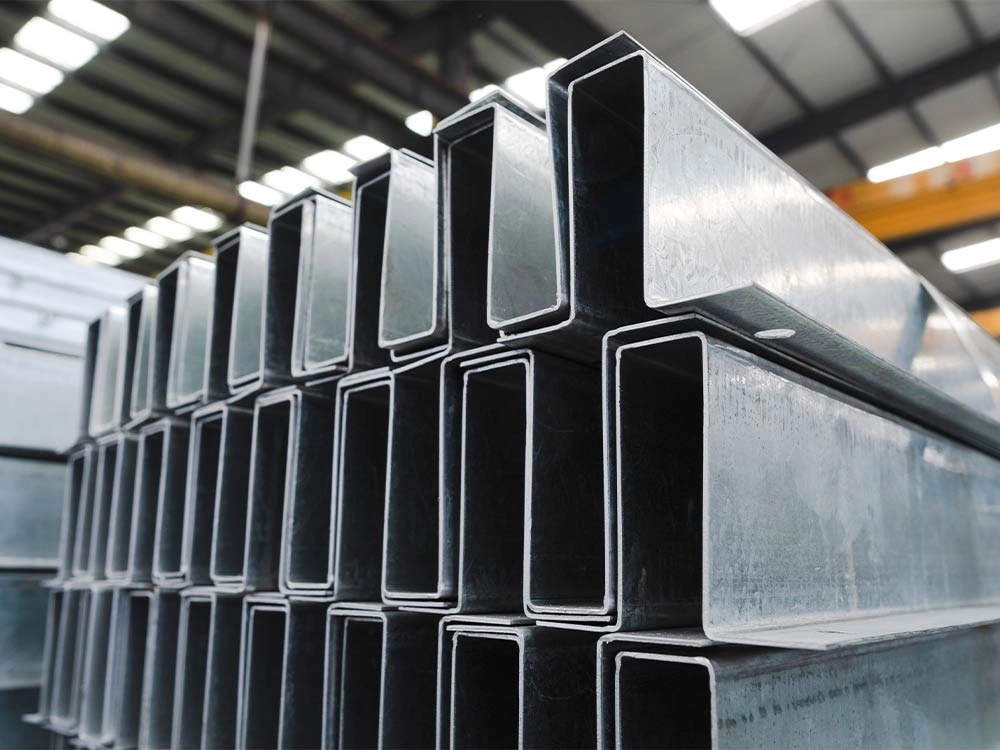
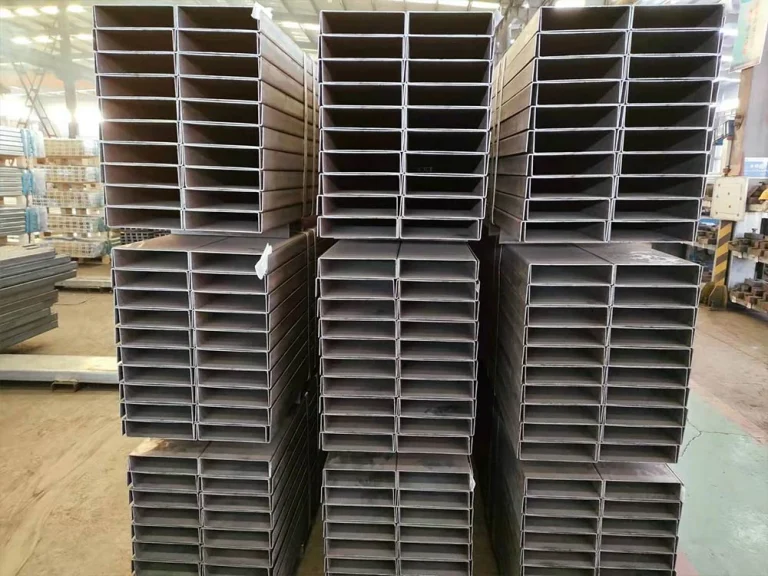
Las formas de acero laminado en frío obtienen trabajo adicional a temperatura ambiente normal. Esto trae una mejor precisión de tamaño y uniformidad de superficie. Los pasos incluyen enfriar primero el acero laminado en caliente. Luego, se vuelve a laminar o dar forma a temperatura ambiente para cumplir con especificaciones claras. Este moldeo a calor ambiente hace que el metal sea más ajustado en medidas y más recto en líneas. Un buen caso es el Viga de acero Omega. Utiliza una forma cerrada especial para una mejor resistencia a la torsión y retención del peso. Tal detalle es difícil de obtener con el laminado en caliente habitual.
Comparación de propiedades físicas y acabado superficial
Tolerancia dimensional y niveles de precisión
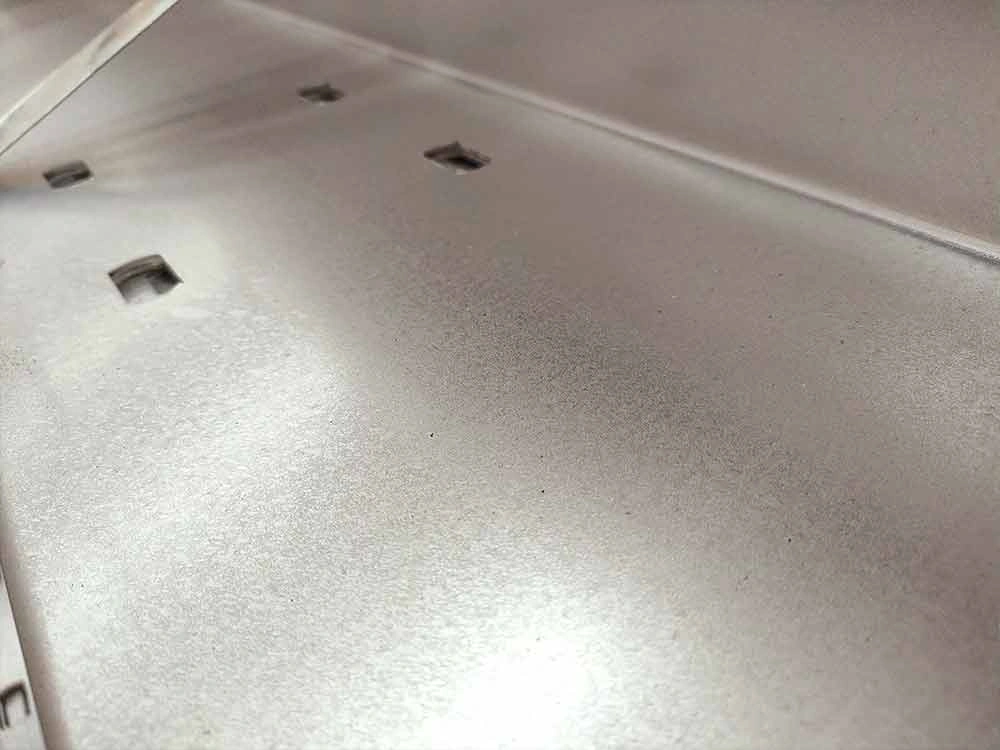
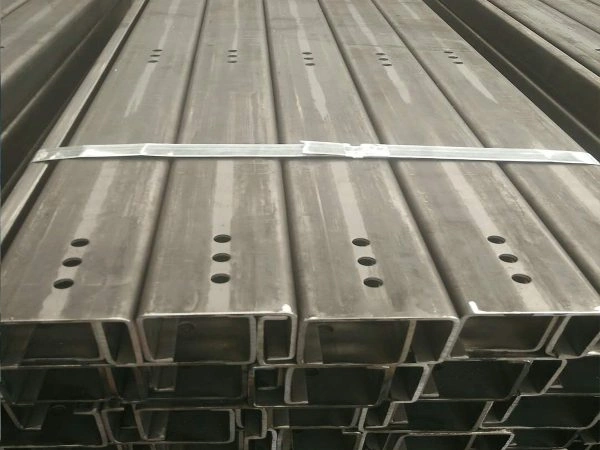
El trabajo de construcción exacto cuenta con límites de tamaño cercanos que solo el laminado en frío y la formación en frío pueden dar. El material se forma a temperatura ambiente. Por lo tanto, se omite la tracción y la flexión del enfriamiento laminado en caliente. Esta uniformidad es importante para partes como el Canal de acero C (C-Purlin). Necesita unirse sin problemas con otras partes de la construcción en la configuración. Los tamaños constantes de los canales C en forma fría permiten que los orificios precortados se alineen correctamente. Esto reduce el tiempo de trabajo y el esfuerzo de instalación en el sitio.
Calidad de la superficie y atractivo estético
El acabado superficial actúa como un diferenciador crítico, con acero laminado en frío que ofrece una textura lisa y sin escala ideal para recubrimientos y pinturas. El acero laminado en caliente forma naturalmente una escala de óxido azul-gris áspera en su superficie a medida que se enfría, lo que requiere un chorro abrasivo para eliminarlo antes de que pueda producirse cualquier acabado. Las formas laminadas en frío, sin embargo, presentan una superficie pulida que acepta fácilmente la galvanización o el recubrimiento en polvo. Esto es particularmente importante para elementos arquitectónicos expuestos o estructuras solares donde se requiere uniformidad visual y protección inmediata contra la corrosión.
Características de resistencia y dureza
La formación en frío aumenta la resistencia y la tenacidad de rendimiento mucho. Esto se hace a través de un método llamado endurecimiento por deformación. El acero se prensa y forma a temperatura ambiente. Su configuración cristalina interna cambia. Esto hace que el artículo final sea más duro y fuerte que los laminados en caliente. La mejor resistencia por peso permite a los constructores elegir formas más delgadas y ligeras. Mantienen el mismo peso.
Diversas aplicaciones de las formas de acero laminado en frío en la industria
Componentes estructurales para sistemas de energía solar
La industria solar utiliza exclusivamente perfiles de acero formados en frío para garantizar la integridad estructural contra las cargas de viento y nieve, al tiempo que minimiza el peso muerto en techos o tierra. Los montajes de alto rendimiento deben soportar entornos duros durante décadas. El Canal de acero Z es una solución preferida en este sector; su geometría única permite la superposición (anidación) en los soportes, lo que efectivamente duplica la resistencia en puntos de tensión críticos. Esto hace que los canales Z sean ideales para purlins de estantería solar donde es esencial maximizar la distancia de span y la capacidad de carga.
Canales C y Z en la construcción moderna
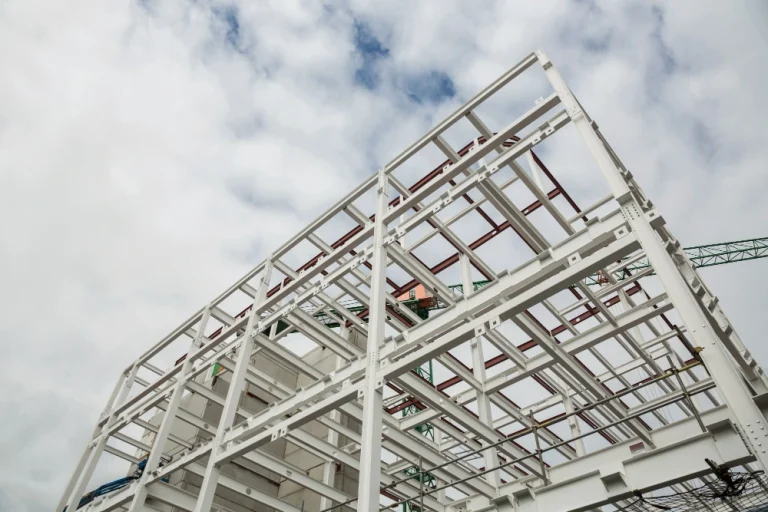
Los edificios prefabricados actuales dependen de formas flexibles como los canales C y Z. Ayudan a enmarcar paredes y techos rápidamente. A diferencia de las vigas gruesas laminadas en caliente, estos artículos ligeros en forma fría manejan fácilmente. El transporte también es sencillo. Veen un amplio uso en edificios de fábricas, lugares de almacenamiento y pisos medios. La velocidad de montaje es el objetivo principal.
Piezas de fabricación de automóviles y OEM
Los fabricantes necesitan los límites cercanos del acero laminado en frío para piezas prensadas de automóviles y piezas de máquina. El material constante se asegura de que cada artículo prensado coincida. Esto es una necesidad para grandes líneas de ejecución y piezas de corte OEM.
Análisis de costos: ¿Vale la pena invertir en acero laminado en frío?
Costos de material inicial vs. gastos de procesamiento
El precio inicial de compra del acero laminado en frío es más alto. Esto proviene de los pasos adicionales del proceso. Pero el costo propio completo a menudo termina más bajo para trabajos exactos. El acero laminado en caliente necesita corte, molienda o fijación adicional para alcanzar las especificaciones. Esto agrega costos de trabajo. Las formas laminadas en frío están preparadas para su uso. Esto suaviza el proceso de fabricación.
Ahorro a través de la reducción del peso del material y los residuos
El uso de formas formadas en frío de alta resistencia permite a los ingenieros reducir el tonelaje total de acero sin comprometer la seguridad estructural. Debido a que el trabajo en frío aumenta la resistencia al rendimiento, un calibre más delgado de acero laminado en frío a menudo puede reemplazar una sección laminada en caliente más gruesa y pesada. Esta reducción en peso se traduce directamente en menores costos de envío y requisitos de fundación más ligeros.
¿Por qué elegir CZT Solar para acero formado en frío de alto rendimiento?
Experiencia en la producción de canales de acero C, Z y Omega
Utilizamos la tecnología moderna de moldeo en frío para hacer formas de construcción de tolerancia cercana. Cumple con estrictos estándares mundiales. En CZT solar, nuestra tienda de acero formado en frío tiene 25 líneas de formación en frío y 15 líneas de perforación. Esta configuración nos permite hacer muchas formas. Piense en Unistrut, Tipos C, Tipos Z y Tipos Omega. La producción mensual alcanza las 5.000 toneladas. Nuestra adhesión al sistema de gestión 6S garantiza que cada formulario salga con las especificaciones del tamaño correcto.
Soluciones personalizadas para proyectos fotovoltaicos globales
Nuestro equipo de construcción ofrece soluciones completas de centrales solares. Se adaptan para establecer puntos de tierra y clima. Si su trabajo necesita un canal de acero C para configuraciones de techo o un canal de acero Z sólido para grandes proyectos, lo hacemos a medida. Elija el espesor, la longitud y el tipo de acero como Q235 o Q345. Mezclamos R& D, fabricación y ventas. Esto trae sostenes que se ajustan a sus necesidades laborales especiales. Desde zonas de fábrica hasta montañas duras.
Tratamientos de superficie avanzados y durabilidad
Nos aseguramos de una larga lucha contra la oxidación con arreglos de superficie superior. Estos incluyen galvanización previa, galvanización por inmersión en caliente (HDG) y nuevos recubrimientos de acero Zn-Al-Mg. Los trabajos solares requieren más de 25 años de trabajo. Nuestros artículos vienen con una garantía de 15 años. Nuestras estrictas reglas de control cubren el tamaño, el aspecto y las normas ISO y SGS. Se aseguran de que nuestras formas de acero soportan los impactos climáticos más difíciles.
Preguntas frecuentes
P: ¿Cuál es el principal beneficio de usar acero formado en frío para el montaje solar?
R: El beneficio principal es la relación superior fuerza-peso. El acero formado en frío, como los canales C y Z de alta calidad, proporciona la rigidez estructural necesaria para soportar cargas de viento y nieve, mientras que es lo suficientemente ligero como para reducir los costos de transporte y simplificar la instalación en techos o terrenos terrestres.
P: ¿Cómo se compara el acero laminado en frío con el acero laminado en caliente en términos de acabado superficial?
R: El acero laminado en frío tiene una superficie mucho más lisa y limpia en comparación con el acabado áspero y escamoso del acero laminado en caliente. Esto hace que las opciones laminadas en frío sean mucho más adecuadas para proyectos que requieren atractivo estético o aplicación inmediata de recubrimientos protectores como galvanización o pintura sin una extensa preparación de la superficie.
P: ¿Se pueden personalizar las formas de acero laminado en frío para diseños de construcción específicos?
R: Sí, el acero laminado en frío es altamente personalizable. Debido a que el proceso se realiza a temperatura ambiente con maquinaria de precisión, los fabricantes pueden cortar, perforar y formar fácilmente el acero en longitudes específicas, grosores y secciones transversales complejas (como formas Omega o Z) para cumplir con planos arquitectónicos o de ingeniería exactos.
P: ¿Qué grado de acero es mejor para entornos de alta corrosión?
R: Para entornos de alta corrosión, se recomienda el acero laminado en frío tratado con recubrimientos de galvanización por inmersión en caliente (HDG) o zinc-aluminio-magnesio (Zn-Al-Mg). Estos tratamientos proporcionan una barrera de auto-curación contra la oxidación y la oxidación, prolongando significativamente la vida útil de la estructura en zonas costeras o industriales.
P: ¿Cuáles son las principales empresas para estructuras de soporte fotovoltaicas industriales?
R: Las principales empresas son aquellas que ofrecen I+amp; D y capacidades de fabricación con certificaciones internacionales. Busque fabricantes como CZT solar que proporcionen un servicio único, posean extensas líneas de producción de formación en frío y ofrezcan garantías completas (por ejemplo, 15 años) para garantizar la longevidad y fiabilidad del proyecto.




 Spanish
  English
  Japanese
  Korean
  Arabic
  Russian
  French
  Thai
Thai