

How Will Power Uzbekistan 2026 Define the Applications of Hot Rolled Steel in Commercial Construction?
The Growing Synergy Between Central Asian Energy Goals and Sustainable Steel
Central Asia pushes forward its shift to renewable energy. Uzbekistan takes the lead in expanding utility-scale infrastructure. These megawatt-scale solar parks demand tough standards. As a result, Engineering, Procurement, and Construction (EPC) firms rethink basic materials. The applications of hot-rolled steel in commercial construction move away from basic structural frameworks. They turn to focused, heavy-duty green energy setups. These setups require a lifecycle of more than 25 years.
Emerging Infrastructure Trends to Watch at Power Uzbekistan 2026
At the upcoming Power Uzbekistan 2026 exhibition, the industry focus will clearly pivot away from slow-curing concrete foundations toward rapid-deployment metallic structures. Project developers are actively seeking modular, steel-based mounting networks that reduce civil works while maximizing land utilization, making hot-rolled profiles a central discussion topic for next-generation solar architecture.
What Makes Hot-Rolled Steel Essential for Modern Commercial Structural Engineering?
Addressing the Demand for High-Strength, Large-Scale Building Frameworks
Today’s solar facilities and commercial centers need frameworks to handle large fixed loads, changing wind forces, and heavy machines. Hot-rolled profiles form at temperatures above 1,700°F. This lets the steel take shape into thick, sturdy cross-sections without built-up stress. The process creates strong structural soundness. Thus, it keeps large-span commercial buildings safe during intense mechanical pressure.
Superior Adaptability in Extreme Climates and Seismic Zones
Certain areas face wide temperature swings and earthquake risks. They call for building materials that bend easily. Hot-rolled steel takes up and spreads out movement energy. Instead of breaking, it holds together.
| Performance Metric | Hot Rolled Steel Structures | Traditional Concrete Foundations |
| Seismic Ductility | High (Flexes under stress) | Low (Prone to cracking) |
| Thermal Expansion | Predictable and manageable | Susceptible to freeze-thaw damage |
| Installation Speed | Immediate load-bearing capacity | Requires 28-day curing period |
Speed of Construction: Why Project Managers Favor Hot-Rolled Profiles
In commercial contracting, time holds great value. Prefabricated hot-rolled profiles remove the need for heavy on-site welding and custom building. Project managers use standard beams and channels. This speeds up assembly plans by as much as 30%. It cuts labor expenses directly. Plus, it allows quicker connections to the grid for green energy sites.
Key Applications of Hot Rolled Steel in Commercial Construction and Solar Projects
Supporting the Next Generation of Utility-Scale Solar Mounting Systems
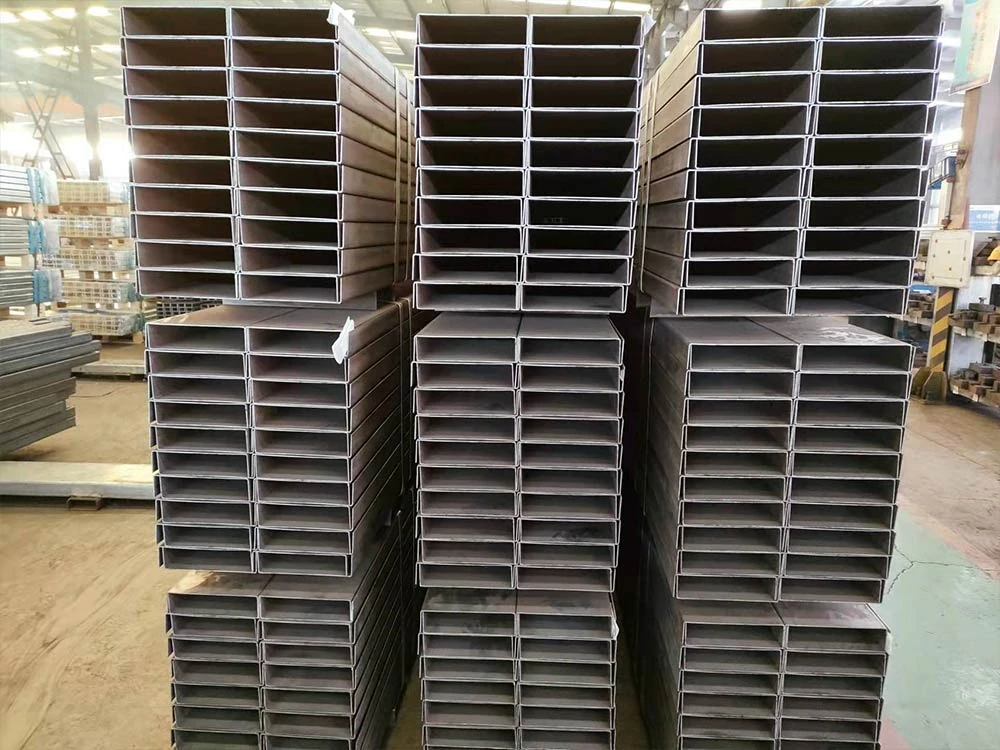
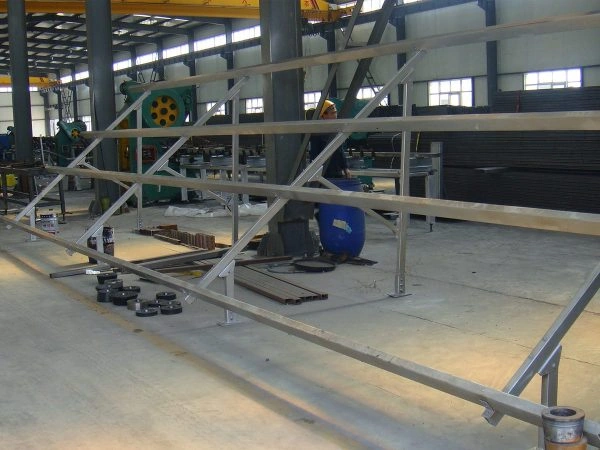
A key use of hot-rolled steel in commercial construction serves as the main support for utility-scale solar farms. Ground-mounted systems deal with rough ground. They also keep accurate tilt positions. At CZT solar, we design our C Steel Channel to tackle these issues. Our Canal de acero C offers great flexibility and a fast modular setup. We apply hot-dip galvanization up to 120μm for treatment. This helps our channels fight off salt-mist corrosion and soil acidity. In turn, it provides a sure service life beyond 25 years in rough conditions.
Heavy-Duty Warehousing and Industrial Logistics Centers
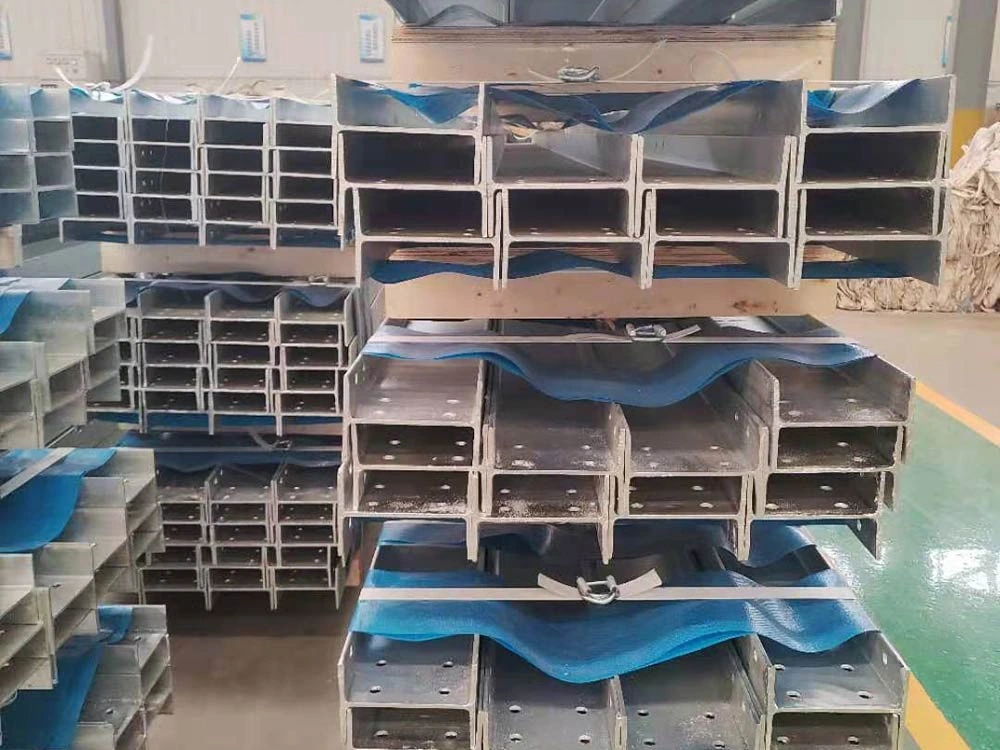
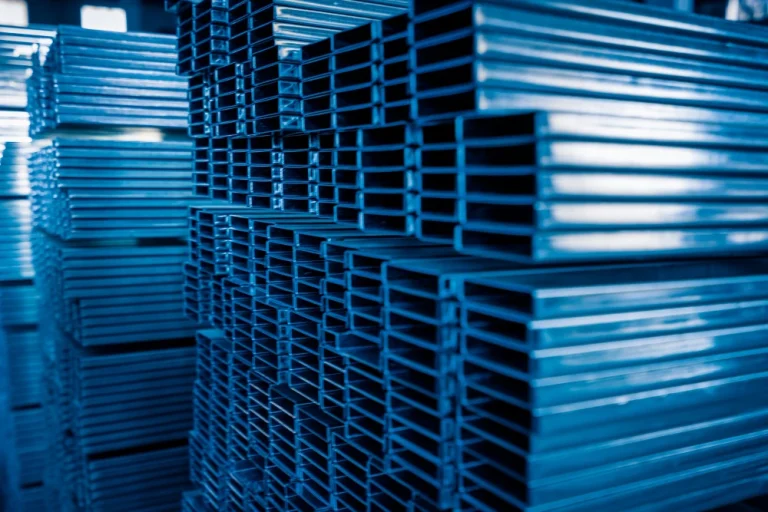
Every large commercial solar project relies on a broad supply chain. Heavy-duty logistics centers and warehousing back this chain. These industrial sites require broad, clear spans for heavy equipment and stock. We produce the Viga de acero H to aid this setup. Its improved cross-sectional area brings top load support. At the same time, it reduces material weight. This makes it a vital reinforcement for fixed bases and large commercial structures.
Innovative Commercial Roofing and Cladding Support Structures
The modern commercial building goes beyond simple shelter. It acts as a working power source. Building-integrated photovoltaics now replace old roofing options in a big way. We supply full BiPV-photovoltaic building integrated systems to support this design shift. These systems use strong hot-rolled steel bases. They blend advanced solar power with the solid structure needed for commercial roofing. This setup ensures strong waterproofing, heat protection, and energy production.
How to Evaluate High-Quality Steel Suppliers for Large-Scale Energy Projects?
Key Certification and Quality Standards for International Tenders
Procurement managers need to check suppliers carefully against global standards. For structural steel in commercial uses, focus on these key points.
- ISO 9001 quality management compliance.
- Verified yield strength and tensile testing reports.
- Documented galvanization thickness for anti-corrosion warranties.
Building Resilient Partnerships with Industry Leaders Like CZT Solar
Supply chain reliability forms the core of any international green energy project. At CZT solar, we serve as a complete provider for the photovoltaic sector. We bring together R&D, production, sales, and project management in one operation. Our 28,000-square-meter standard industrial facility runs with an annual production capacity of 10GW. This gives us the production strength and know-how to tailor heavy-duty structural profiles to your specific commercial needs.
Analyzing Supply Chain Logistics for Central Asian Infrastructure
Sending materials to landlocked areas demands careful logistics planning. Work with suppliers familiar with cross-border shipping, rail route improvements, and modular packaging. Such steps lower damage during transport and cut shipping costs. They also guarantee that heavy steel structures reach the site right on time.
Maximizing Your Professional Growth at Power Uzbekistan 2026
Strategic Networking with Engineering and EPC Experts
Exhibitions offer a special chance to skip online distractions. You can connect directly with technical engineers. Direct talks on fixing particular site problems, like soil packing concerns or wind-load calculations, help form solid technical links.
Discovering Cost-Efficient Material Solutions for Future Tenders
Avoid putting all emphasis on initial material costs alone. At the exhibition, assess the full lifecycle expenses of steel profiles. Questions about upkeep needs, setup pace, and corrosion protections uncover the real savings of these materials for future commercial bids.
Preguntas frecuentes
Q: What are the primary applications of hot-rolled steel in commercial construction for modern solar facilities?
A: The main uses center on core structural frameworks. Examples include ground-mounting systems, heavy-duty utility carports, and logistics warehousing. EPCs use high-yield profiles like the H Steel Beam from CZT solar. This keeps large solar arrays steady against environmental forces for many years of service.
Q: How do the applications of hot-rolled steel in commercial construction withstand harsh environmental conditions?
A: Hot-rolled structural components adapt well to tough climates. They have built-in flexibility that prevents breaking under earthquake pressure. Moreover, special anti-corrosion treatments, like the thick zinc layers on our C Steel Channel, let them handle strong winds, snow, and soil base without trouble.
Q: Are the applications of hot-rolled steel in commercial construction cost-effective for large-scale utility projects?
A: Yes. Large steel profiles involve a high upfront cost. However, their build efficiency, strong load-to-weight balance, and off-site prefab options greatly cut on-site work hours and base preparation time. In the end, this reduces overall project costs.
Q: How can project managers accelerate the applications of hot-rolled steel in commercial construction for green energy sites?
A: Project managers speed up rollout by choosing standard, modular steel parts. These need little on-site welding or changes. Full engineered options, such as BiPV-photovoltaic building integrated systems, simplify the setup process. This enables the build and electrical teams to coordinate smoothly.
Q: Why are the applications of hot-rolled steel in commercial construction preferred over concrete foundations for solar mounts?
A: Steel frameworks provide instant load support. They avoid the long 28-day setting periods of standard concrete. Steel also offers a far better strength-to-space ratio. As a result, it demands less ground digging and allows simple changes or removal with minimal impact on the environment.





 Spanish
  English
  Japanese
  Korean
  Arabic
  Russian
  French
  Thai
Thai