

Why Are Cold Rolled Steel Shapes Critical for Modern Engineering
The Science Behind Cold Forming: Yield Strength and Dimensional Precision
To make informed material choices, it is crucial to understand the distinction between the base material and the manufacturing process. Cold-rolled steel refers to steel that has been processed at room temperature, resulting in a smooth surface finish and highly precise thickness tolerances. When this high-grade cold-rolled steel is subjected to a cold-forming process—bending and shaping the metal without heat—it undergoes work hardening. This significantly increases the yield strength of the final structural shapes, making cold-rolled steel profiles incredibly resilient and dimensionally accurate for demanding 2026 engineering standards.
Key Differences Cold Rolled Profiles vs Hot Rolled Structural Steel
The primary difference lies in how the material behaves under stress and its structural efficiency. Hot-rolled steel is formed at extremely high temperatures, which can lead to scaling, dimensional variations, and a lower strength-to-weight ratio. Conversely, using cold-rolled steel to create structural profiles eliminates these inconsistencies. Cold-rolled steel shapes offer a superior strength-to-weight ratio, meaning they provide robust structural support while reducing overall material costs and weight. This precision manufacturing ensures consistent dimensions for seamless construction.
What Are the Most Common Cold Rolled Steel Profiles and Their Best Uses
Channels and U-Channels: The Versatile Workhorses for Framing
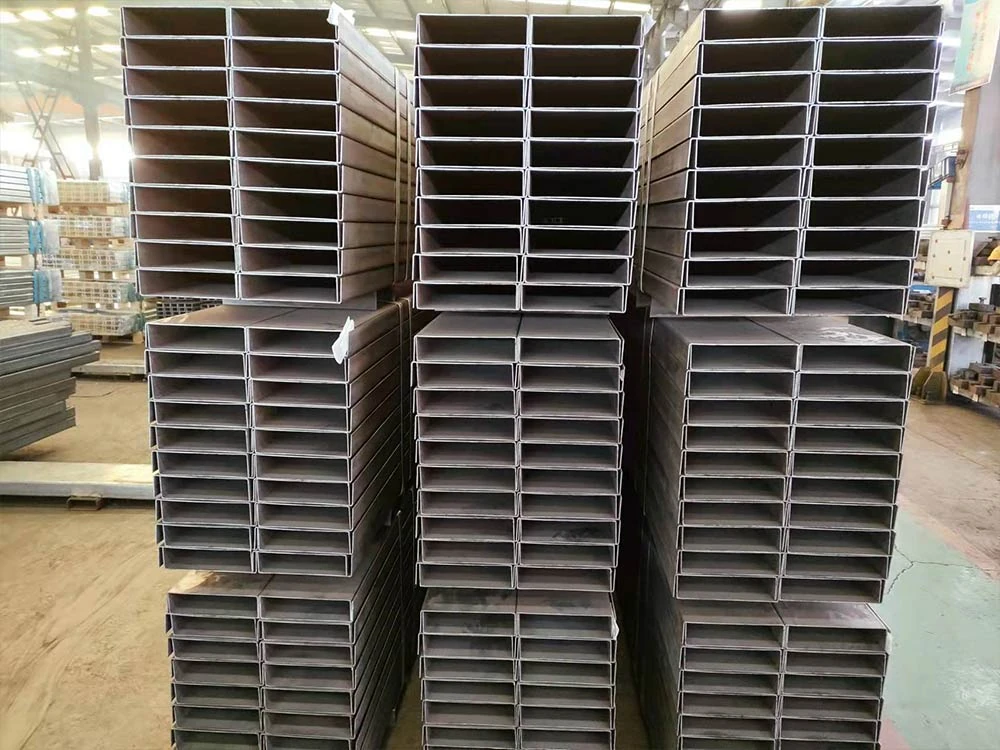
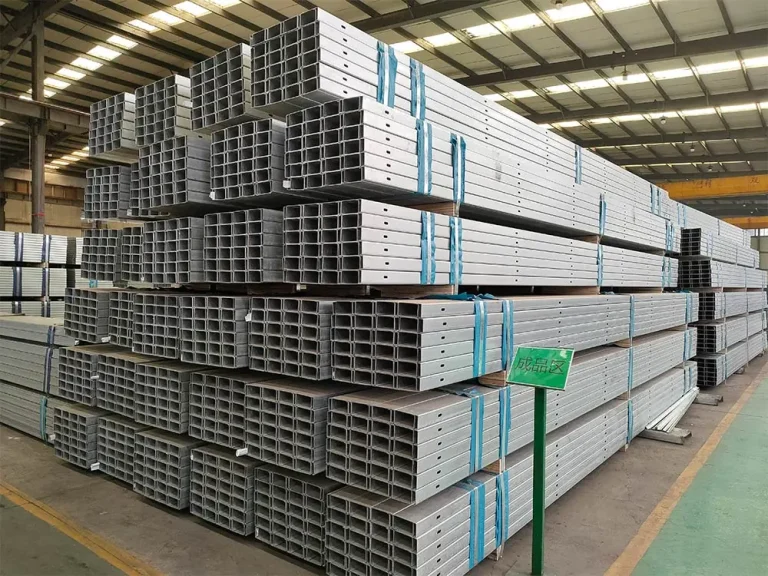
For tasks needing light but strong framing, the C Steel Channel stands as a field norm. It goes by names like C-Purlin or C-Channel, too. This is a cold-formed steel part with a clear “C” shape across. Since it comes from top steel, it sees wide use in building, factory sites, and base projects. At CZT solar, our C Steel Channel gives good build aid. At the same time, it helps lower substance costs. Builders plan it for fast setup with bolts or joining by heat. Hence, it serves as a flexible mainstay for roof and wall supports.
Z-Purlins Maximizing Overlap and Structural Efficiency in Roofing
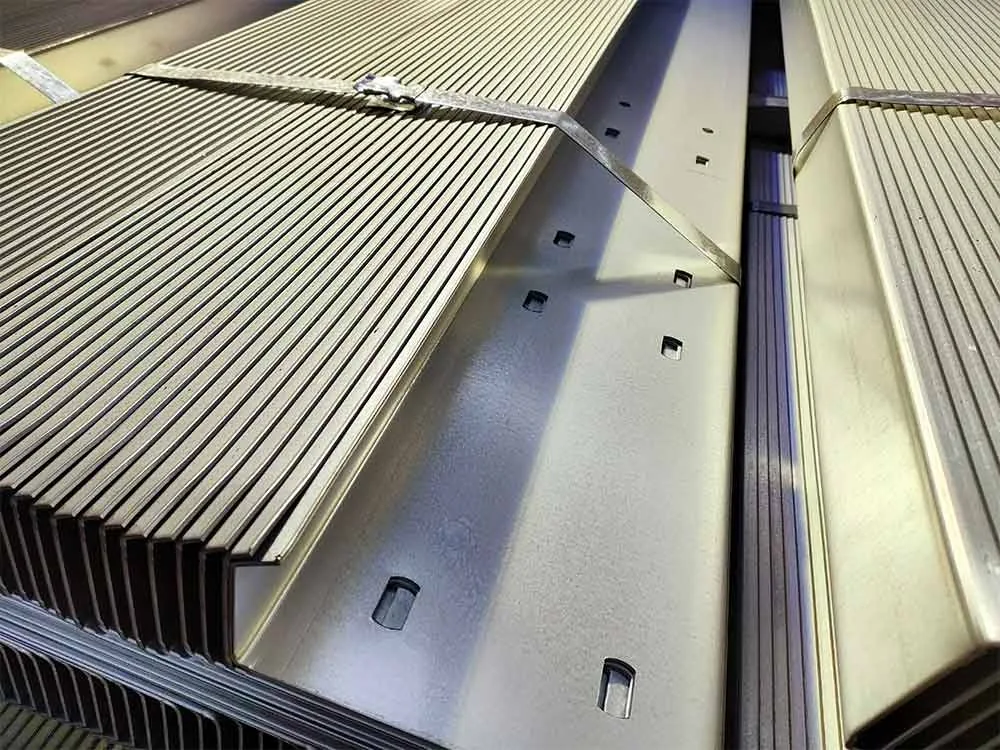
When planning long reaches where joining overlaps helps, the Z Steel Channel fits best. This sturdy, rolled steel part is built with care for building framing, support, and weight-holding tasks. The special “Z” shape across brings strong firmness and weight spread. We make the Z Steel Channel light but firm. It shows a good strength-to-weight balance for roof frames, wall framing, and middle floors.
Hat Sections, Omega Profiles, and Tubular Shapes: Managing Complex Torsional Loads
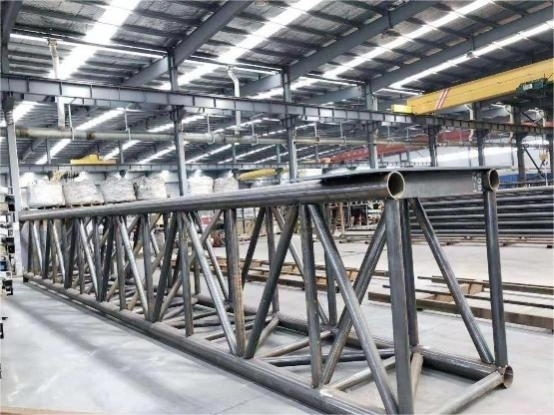
For heavy-duty applications that face dynamic loads and twisting forces, standard open profiles may not suffice. The Omega Steel Beam (Ω-Shaped Steel Beam) is a high-performance structural steel component tailored for specialized applications requiring enhanced load-bearing capacity, torsional resistance, and stability. Its unique geometry makes it ideal for heavy-duty frameworks and underground tunnels. The closed-section design of the Omega Steel Beam outperforms open profiles in twisting scenarios, providing superior strength-to-weight ratios that resist bending and buckling.
How Do You Determine the Exact Technical Specifications for Your Project
Calculating Load-Bearing Requirements and Allowable Span Distances
Picking the right cold-rolled steel profile starts with checking the exact weight your build must hold. The form of the shape sets its allowed reach. Take a Z Steel Channel, for example. You can join it at the links. This doubles the substance thickness at the holds. In turn, it raises the allowed reach length a lot for roof tasks.
Factoring in Material Thickness Gauge and Weight-to-Strength Ratios
Grasping the thickness and details of your cold-rolled steel parts matters for matching build soundness with expense savings. Here is a list of the usual details we provide at CZT solar to aid your buying:
| Profile Type | Standard Thickness Range | Core Structural Advantage |
| C Steel Channel | 1.5mm – 4.0mm | Easy installation and high strength-to-weight ratio. |
| Z Steel Channel | 1.2mm – 3.0mm | Superior rigidity and excellent load distribution. |
| Omega Steel Beam | 8mm – 30mm | Exceptional torsional rigidity and vibration damping. |
Evaluating Environmental Risks: When to Choose Galvanized or Coated Finishes
The lasting time of cold rolled steel rests much on its face care. If your task faces dampness or rusting factory settings, picking a guard layer is a must. We supply broad rust-fight choices. These include hot-dip galvanized and pre-galvanized layers. They make sure profiles like our C Steel Channel and Z Steel Channel keep their soundness for years of work.
What Should You Look for in a Cold Rolled Steel Manufacturer in 2026
Assessing Custom Roll Forming and Secondary Fabrication Capabilities: Punching, Welding
A steady maker must give full making skills. At CZT solar, our cold-formed steel site has 25 cold-forming lines and 15 punching lines. This lets us make many steel goods. These cover C types, Z Types, and Omega Types. We hit a monthly output of 5,000 tons with forming thicknesses up to 10mm.
Verifying Strict Tolerance Standards and Global Quality Certifications ISO SGS
Standard check counts most when getting cold rolled steel shapes. We are making steps at CZT solar to stick to the 6S management system. This keeps an effective and safe space. Plus, our substances and steps get full support from ISO and SGS certifications. They make sure every beam and channel hits world build norms.
Navigating Supply Chain Reliability, Minimum Order Quantities, and Lead Times
World shipping needs a teammate with a strong setup. Set up in 2013, CZT solar sits in Tianjin. It is the biggest port town in northern China. This aids quick worldwide shipping. With a usual factory space of 28,000 square meters, our world service group stands ready to give fitted answers for world buyers. We ensure steady wait times no matter the task size.
FAQ
Q: What makes cold rolled steel better for structural shapes compared to other materials?
A: Cold rolled steel is processed at room temperature, which provides exceptional dimensional accuracy, a smoother surface finish, and a significantly higher yield strength due to the work-hardening process, making it ideal for precise structural components.
Q: How do I choose the correct thickness for cold rolled steel framing in my project?
A: The right thickness ties to the needed weight-holding power and reach length. For light framing, parts between 1.2mm and 4.0mm may work. For heavy frames, thicknesses up to 30mm might be needed.
Q: Are cold rolled steel profiles suitable for outdoor or highly corrosive environments?
A: Yes, cold rolled steel profiles last well outside with face layers like hot-dip galvanizing or powder coating. These give strong rust fight against rough setting factors.
Q: Can cold rolled steel shapes be customized to fit unique architectural designs?
A: Yes, the cold-forming method bends easily. Makers can build fitted profiles, add hole patterns, and even shape curves to match hard form task needs.
Q: What is the benefit of choosing a closed cold rolled steel profile over an open one?
A: Shut profiles like omega forms or tube parts give far better turn firmness and twist fight than open ones like basic C-channels. They prove key for builds facing moving or uneven weights.




 English
  Japanese
  Korean
  Spanish
  Arabic
  Russian
  French
  Thai
Thai