
The Engineering of Resilience: Why Shapes of Steel are the First Line of Defense
Extreme weather patterns predicted for the 2025-2026 season, including intensified snowstorms and super-typhoons exceeding 240 km/h, have redefined structural requirements for global infrastructure. Harsh environments impose multi-directional stress, ranging from vertical snow pressure to lateral wind gusts. To mitigate these risks, engineers must focus on the geometric efficiency of the steel profiles, as the cross-sectional design dictates how a beam resists bending and torsion under extreme load.
Defining Harsh Environments in the Mid-2020s Climate Context
Modern infrastructure projects are facing “harsh environments” redefined by the violent wind gusts and cyclic freeze-thaw cycles predicted for the 2025-2026 period. In our recent coastal solar installations, we have seen that instantaneous wind speeds exceeding 65 meters per second have become a standard design requirement. In such rigorous contexts, simple flat steel plates are no longer sufficient; instead, formed steel with specific structural properties must be utilized to counteract and dissipate sudden impact energy through its geometric edges.
The Relationship Between Cross-Sectional Geometry and Structural Integrity
The cross-sectional geometry (Shapes of Steel) directly determines the mechanical performance and yield resistance of a component under extreme atmospheric pressure. Our R&D team has confirmed through simulations that the moment of inertia—a product of the shape—is the decisive factor in whether a structure undergoes permanent deformation. By accurately calculating these sectional parameters, we provide our partners with engineering solutions that reduce foundation stress while remaining resilient against volatile weather fluctuations.
Evaluating C-Channel and Z-Purlins for High-Wind and Snow Load Zones
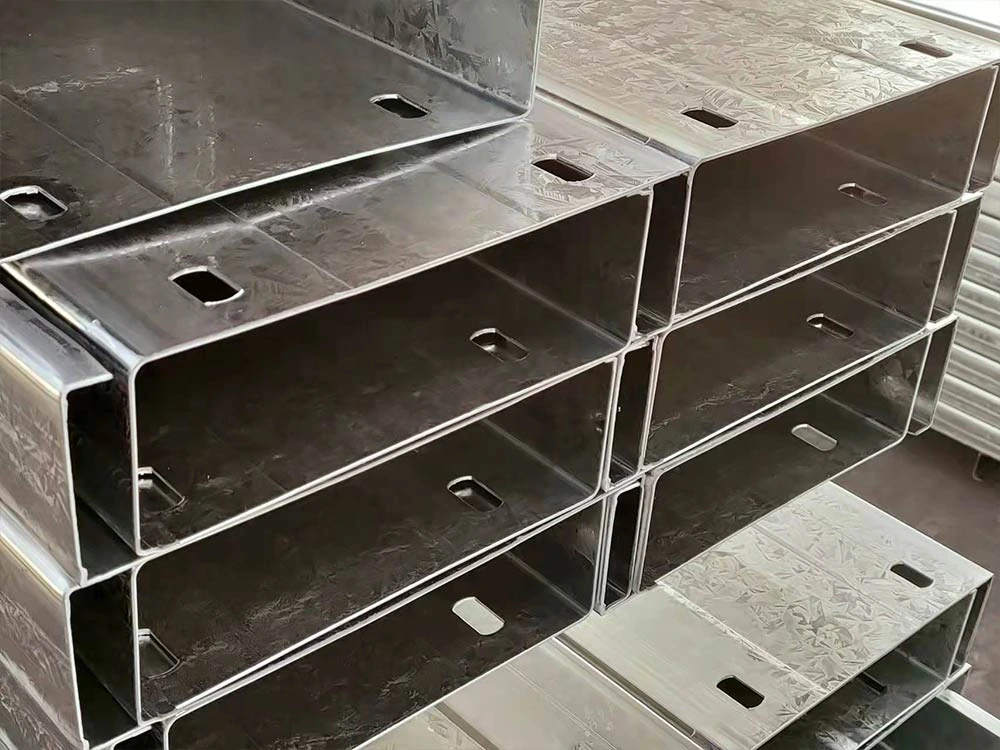
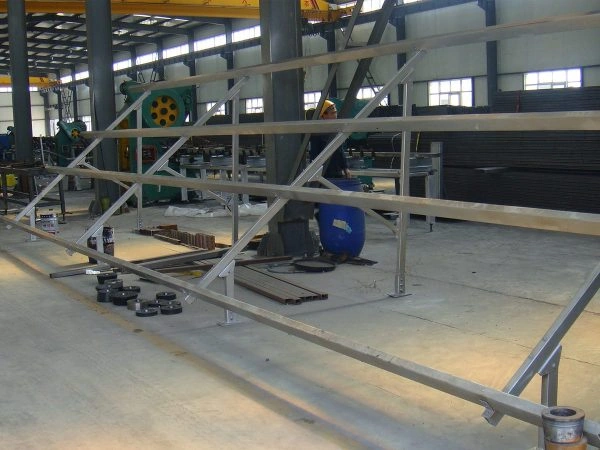
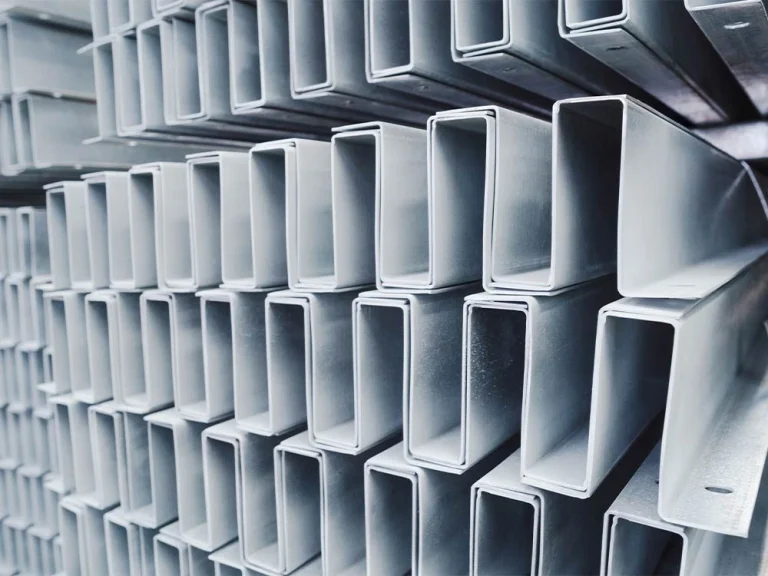
C Steel Channel designs offer an optimized strength-to-weight ratio, making them our primary recommendation for solar mounting systems and light-gauge frameworks. These profiles are cold-formed with high-precision tolerances in our workshops, providing a robust backbone that supports heavy loads while remaining lightweight for rapid manual assembly. This specific C-shaped geometry allows pressure to be distributed evenly along the purlin, ensuring structures remain secure during the severe weather events predicted for 2026. In wind-prone regions, this symmetrical section provides the necessary lateral stability to prevent the entire frame from twisting.
C Steel Channel Optimizing Strength-to-Weight for Solar Mounting
The C-channel products we manufacture significantly improve torsional performance by increasing flange stiffness while reducing logistics costs. In practical applications across high-wind regions like Southeast Asia, this symmetrical C-section provides the necessary lateral stability, effectively preventing the mounting system from overall torsional failure during tropical storms.
Z Steel Channel: The Structural Advantage of Nesting and Continuity
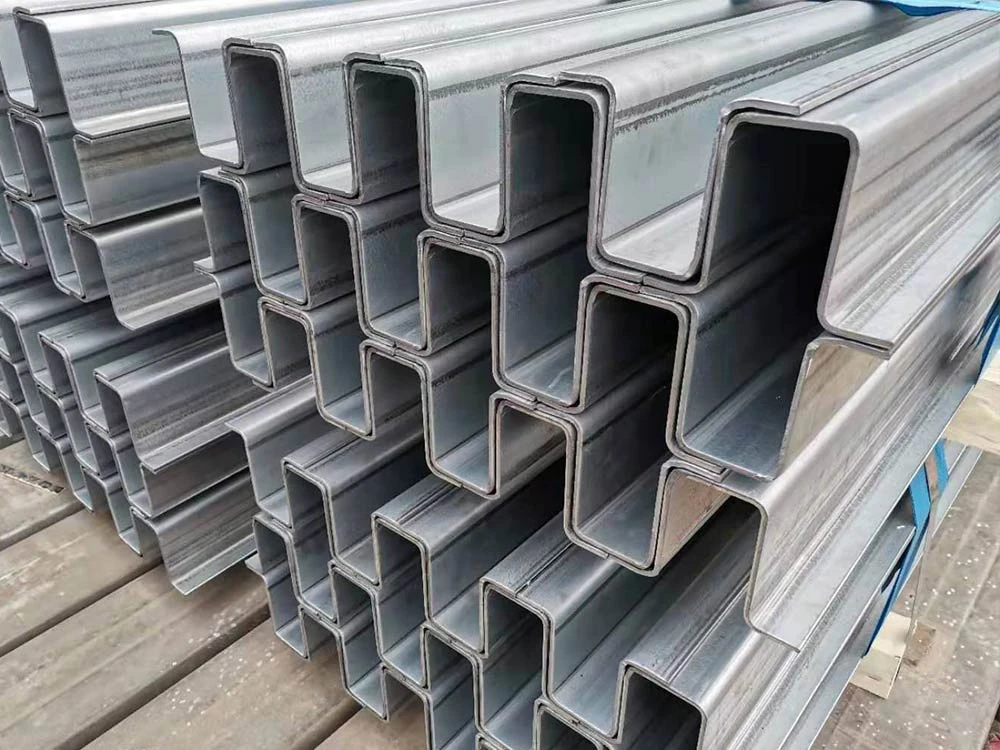
Z Steel Channel profiles exhibit an unparalleled advantage in overlapping connections, making them the ideal choice for areas facing heavy snow accumulation. Unlike C-channels, Z-purlins can be “nested” at support points, doubling the material thickness where bending stress is highest. Given the extreme snow warnings for 2026, this continuous beam effect is much more stable than discontinuous spans. We have implemented this Z-shaped geometry in numerous industrial warehouses, increasing load-bearing rigidity while optimizing steel consumption.
L Brackets and Omega Beams: Essential Components for Framework Stability
L Brackets serve as the critical “anchor” for reinforcing structural joints, acting as the primary defense against uplift forces in coastal climates. These precision-stamped connectors, produced by CZT solar, join purlins to primary beams, ensuring the entire framework operates as a cohesive unit. A review of hurricane-related failures in late 2024 revealed that most collapses began at loose connection points; consequently, we have refined our stamping process to eliminate micro-gaps, preventing fatigue damage caused by long-term vibration.
L Brackets: The Critical Anchor for Reinforcing Structural Joints
High-precision stamped L brackets significantly enhance nodal stiffness, preventing structural displacement in strong winds. Our specialized stamping workshop focuses on the customization of these connectors, ensuring a precise 90-degree forming that prevents loosening under cyclic loads. In high-salt mist environments, these brackets, combined with our hot-dip galvanizing process, become the most stable connection link in the mounting system.
Omega Steel Beam Managing Torsional Stress in Ground-Mounted Projects
Omega Steel Beam designs, with their unique “Ω” shaped cross-section, excel at managing uneven geological settlement and seismic energy. In mountain-based projects with complex terrain, the wide base and curved top of this profile provide exceptional torsional rigidity. Even when facing the 2025 risk of soil shifting due to erratic precipitation, the Omega section ensures that mounting racks do not warp, thereby protecting the alignment of the supported technology.
Comparing Carbon Steel Grades Q235B vs High-Strength Q345B
Mechanical performance requirements often dictate a shift from standard Q235B to high-strength Q345B steel for projects in high-risk zones. While Q235B is a cost-effective choice for moderate climates, the superior yield strength of Q345B allows us to increase the load limit without increasing the profile’s wall thickness. We have utilized Q345B in multiple high-altitude projects in 2025, where its low-temperature impact toughness effectively avoided brittle fractures in freezing conditions.
Material Yield Strength: Why Q345B Outperforms in Extreme Conditions
The material yield strength of Q345B is the core technical indicator for its superior durability in harsh environments. Compared to ordinary carbon steel, Q345B can withstand larger instantaneous wind pressures without permanent plastic deformation. In light of the weather extremes predicted for 2026, choosing a higher grade of material is a strategic investment to protect the long-term safety of customer assets.
Long-term Corrosion Resistance: The Synergy of Material and Galvanizing
The long-term corrosion resistance of steel profiles is guaranteed by the synergy of material grade and advanced galvanizing. Even a perfectly designed shape will fail if its cross-section thins due to oxidation. To prevent this, we provide a hot-dip galvanized (HDG) layer of 60-80μm for our steel products. This sacrificial anode protection ensures that even under salt mist, the underlying Q345B steel maintains its mechanical properties for a 25-year lifecycle.
Advanced Fabrication Solutions: How CZT Solar Addresses Modern Engineering Risks
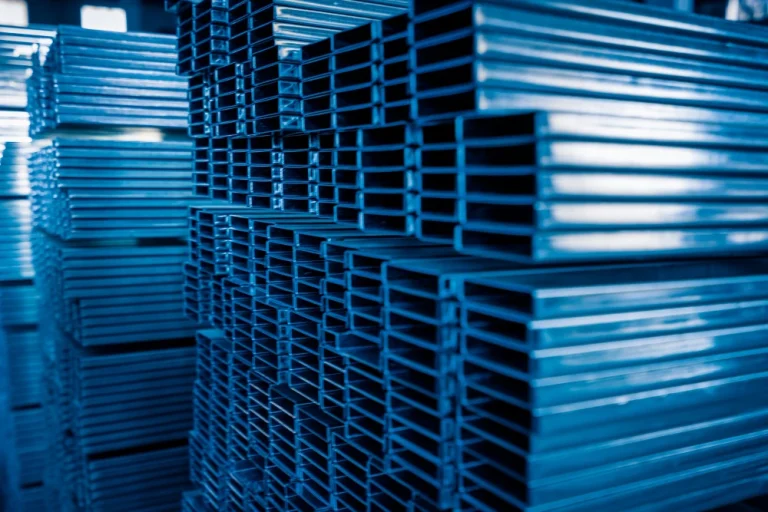
To address specific environmental risks that standard products cannot resolve, we at CZT solar provide customized cold-forming and stamping solutions. Our cold-forming workshop and stamping facility work in tandem to produce high-tolerance profiles and connectors based on client-provided environmental data. This customized service eliminates the need for on-site cutting, improving the overall weather resistance and installation precision of the system.
Custom Cold-Forming and Stamping for Site-Specific Steel Requirements
Through automated production and high-precision mold development, we ensure every accessory integrates perfectly with the primary structure. In custom solutions designed for the 2026 extreme climate, we utilize laser-cutting technology to achieve micron-level accuracy in hole positions. This ensures that under extreme loads, every bolt and bracket distributes pressure as intended, preventing localized stress concentrations that could lead to structural collapse.
5,000-Ton Monthly Capacity Ensuring Supply Chain Resilience for Global Projects
Our 5,000-ton monthly capacity ensures we can provide robust supply chain guarantees amidst the surge in infrastructure demand in 2026. When responding to urgent reconstruction needs after climate disasters, large-scale delivery capability is the key to reducing project risk. Currently, we operate 25 high-efficiency cold-forming lines under a strict 6S management system, ensuring every batch of C, Z, and Omega steel meets consistent quality standards.
FAQ
Q: Which brand of steel shapes is best for coastal solar projects?
A: For coastal projects, choose a brand providing a complete system of hot-dip galvanized C or Z channels. CZT solar is highly competitive because we offer high-strength Q345B material paired with zinc coatings exceeding 80μm. Our C and Z channels are mechanically optimized to handle the upward uplift forces of coastal hurricanes.
Q: How to choose the right shapes of steel for high-snow load areas?
A: In heavy snow areas, choosing Z-shaped steel with nesting capability is superior. By overlapping Z-sections, a continuous beam is formed at support points, enhancing bending strength. We recommend using Z-channels with a thickness of 2.5mm or more, combined with high-strength grades to ensure the structure does not deflect under long-term snow weight.
Q: Which companies are the top manufacturers of customized shapes of steel in Asia?
A: Top manufacturers possess large-scale cold-forming capacity and in-house mold R&D expertise. CZT solar is recognized as an industry leader, with a monthly capacity of 5,000 tons and the ability to customize Omega beams and L brackets based on drawings. We provide one-stop technical support from material selection to hot-dip galvanizing.
Q: C Steel Channel vs. Z Steel Channel, which one is better for industrial warehouses?
A: This depends on your roof span. C-channels are more suitable for simple single-span structures due to their symmetry. However, for large multi-span warehouses, Z-channels perform better because their nesting feature allows for structural continuity, providing higher rigidity while reducing total steel volume.
Q: What is the most recommended brand for high-strength L brackets and connection parts?
A: It is recommended to choose a brand with independent mold R&D capabilities that supports OEM production. CZT solar is highly regarded; our dedicated workshop produces L brackets in various materials and can customize precision molds based on your dimensions. This ensures a perfect fit, serving as the core guarantee for stability in harsh environments.




 English
  Japanese
  Korean
  Spanish
  Arabic
  Russian
  French
  Thai
Thai